
Property Types We Roof
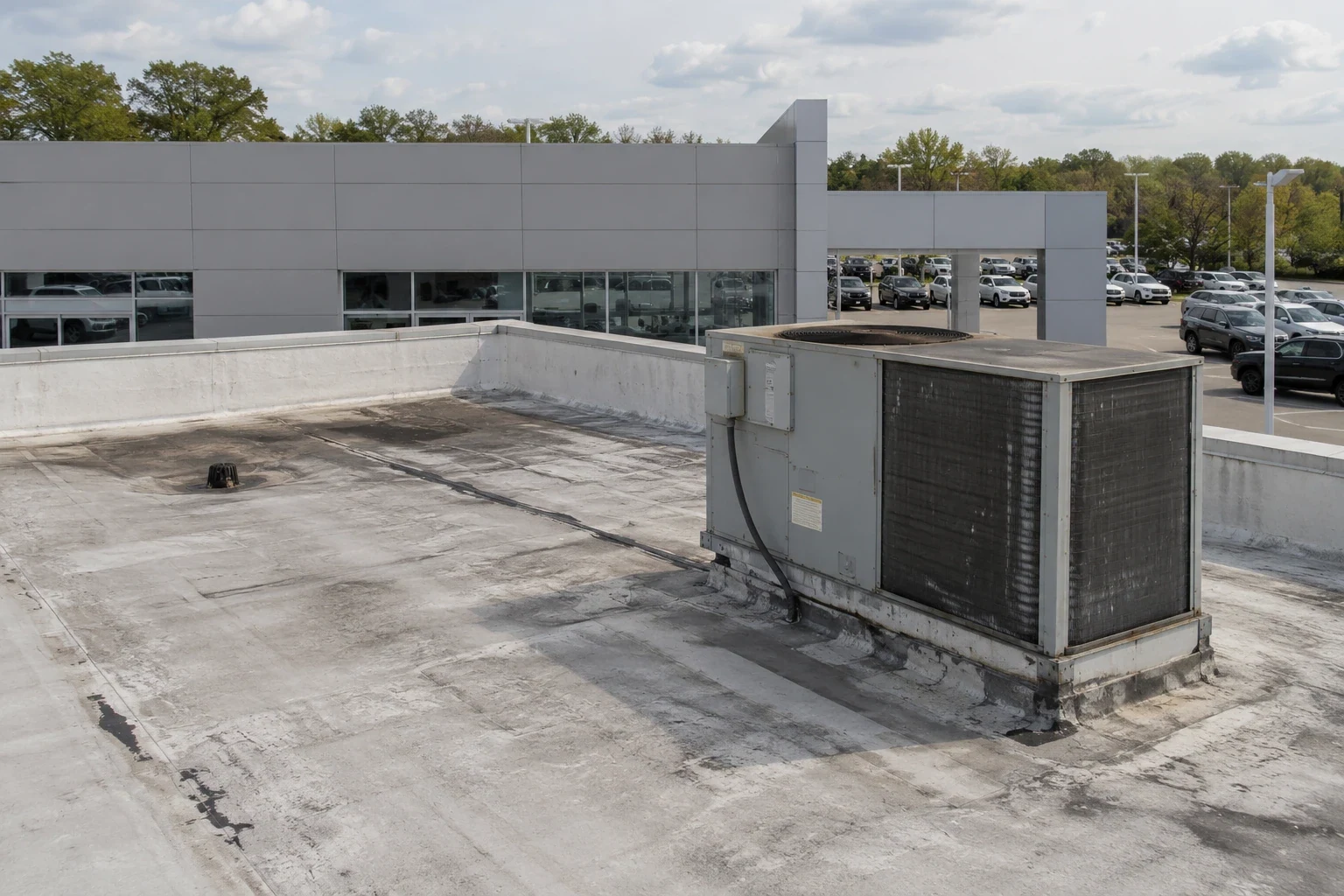
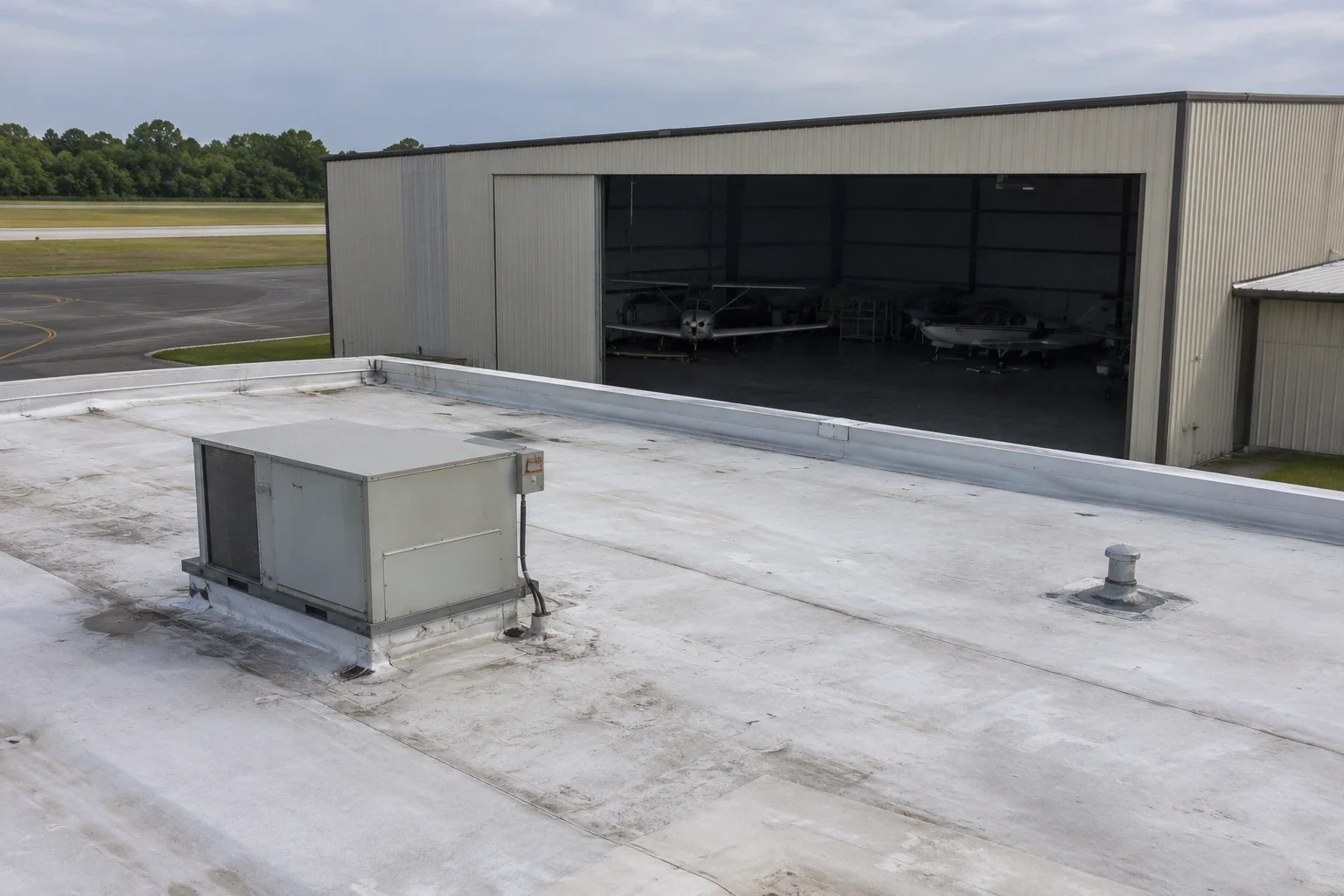
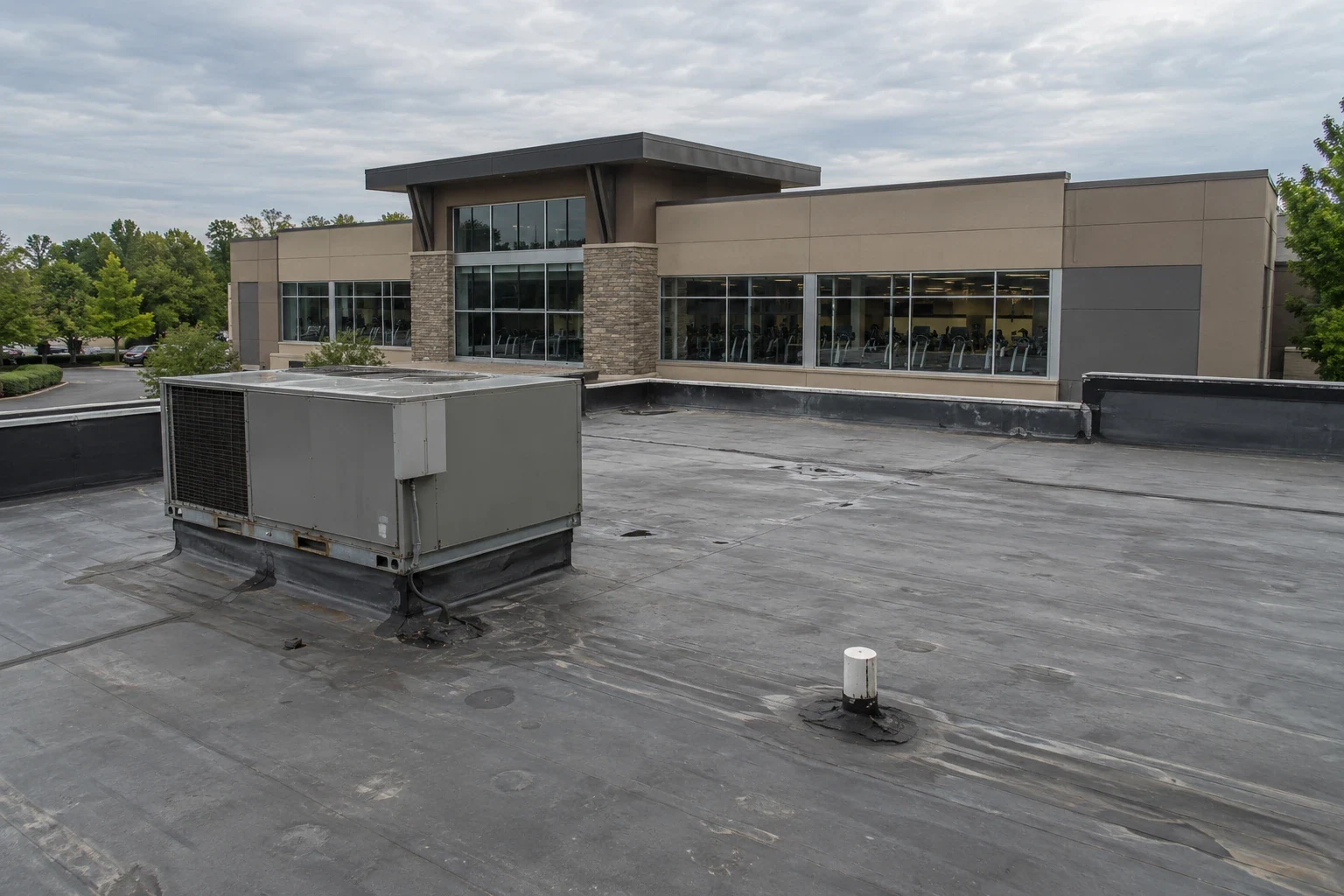
The roof on a Mercedes supplier plant in Cedar Cove Technology Park and the roof on a University Boulevard strip center share a climate, but not much else, because the deck, the insulation, the rooftop equipment and the people underneath all differ. Starting from the building type lets a superintendent know what to expect before reaching the ladder, and it tells an asset manager which questions belong in the file for that kind of property.
More About Property Types We Roof
Plants, warehouses and distribution
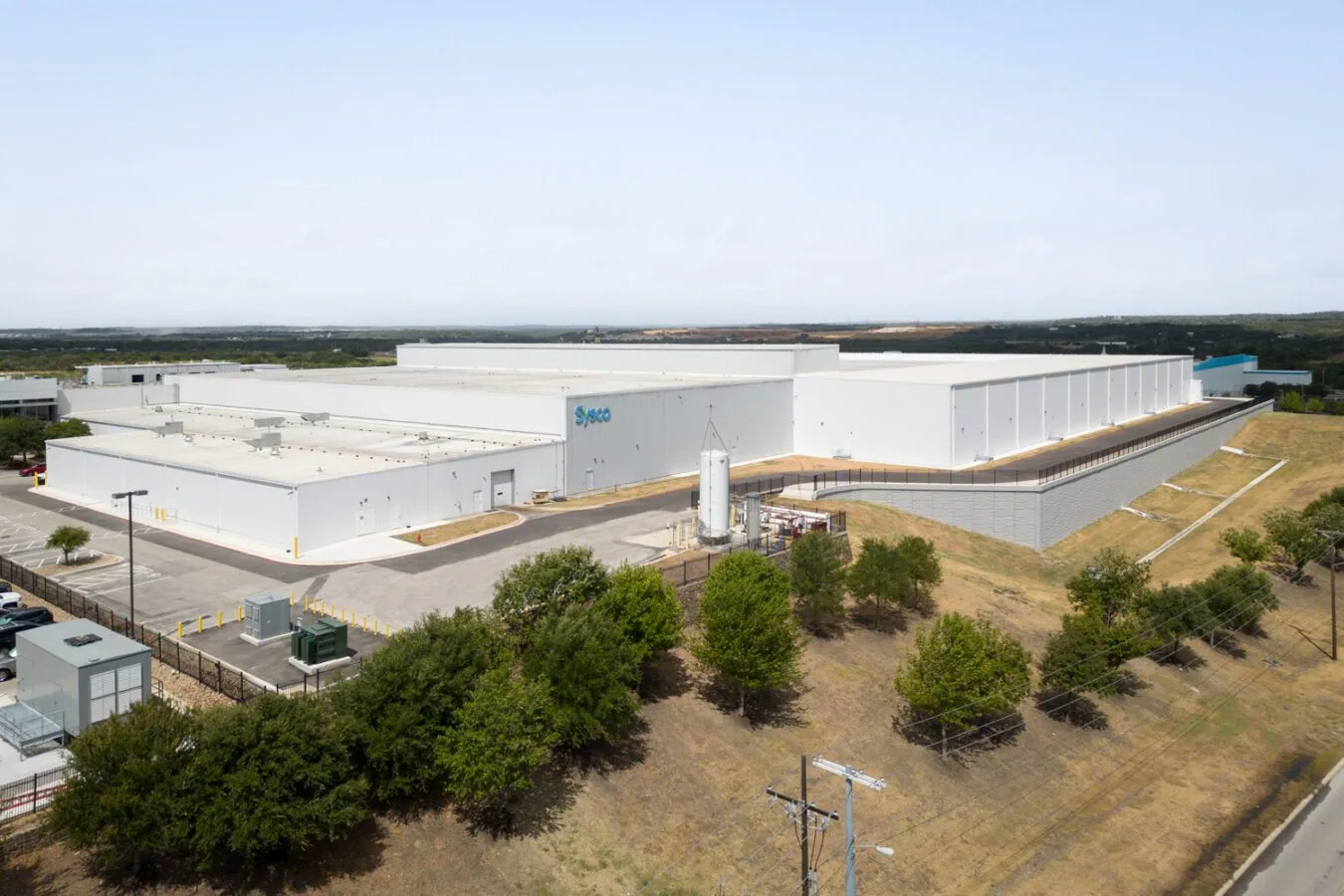
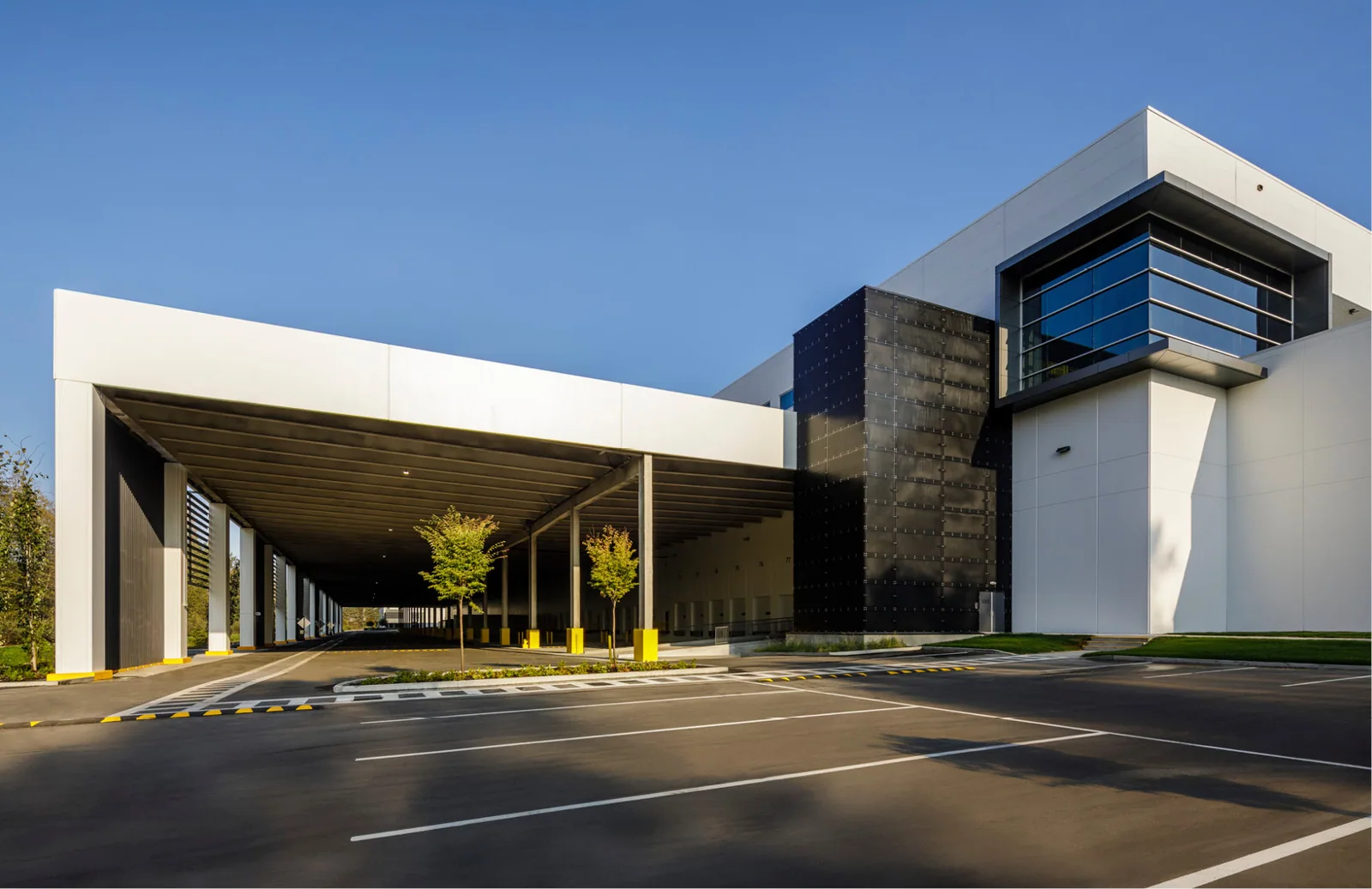
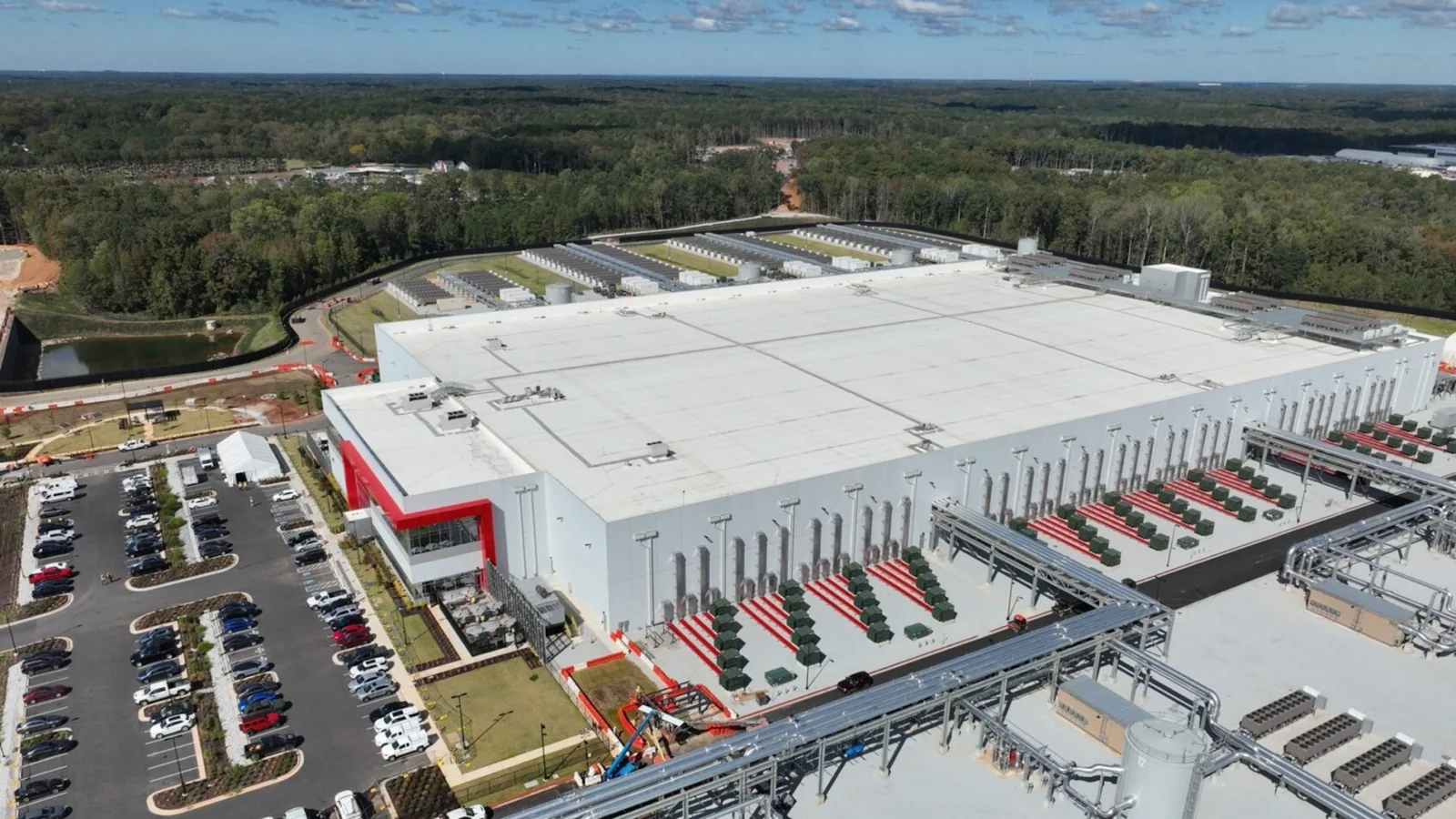
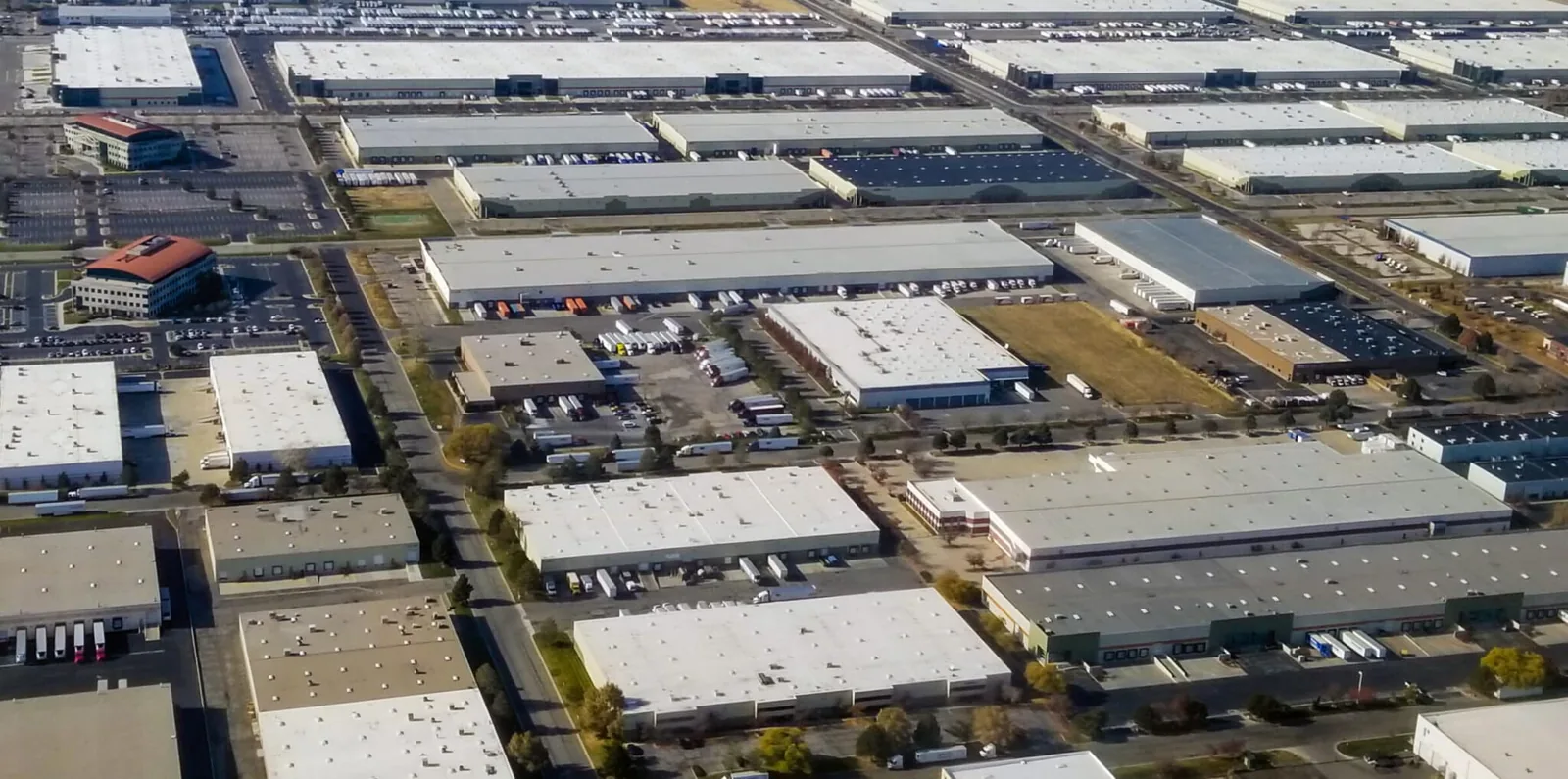
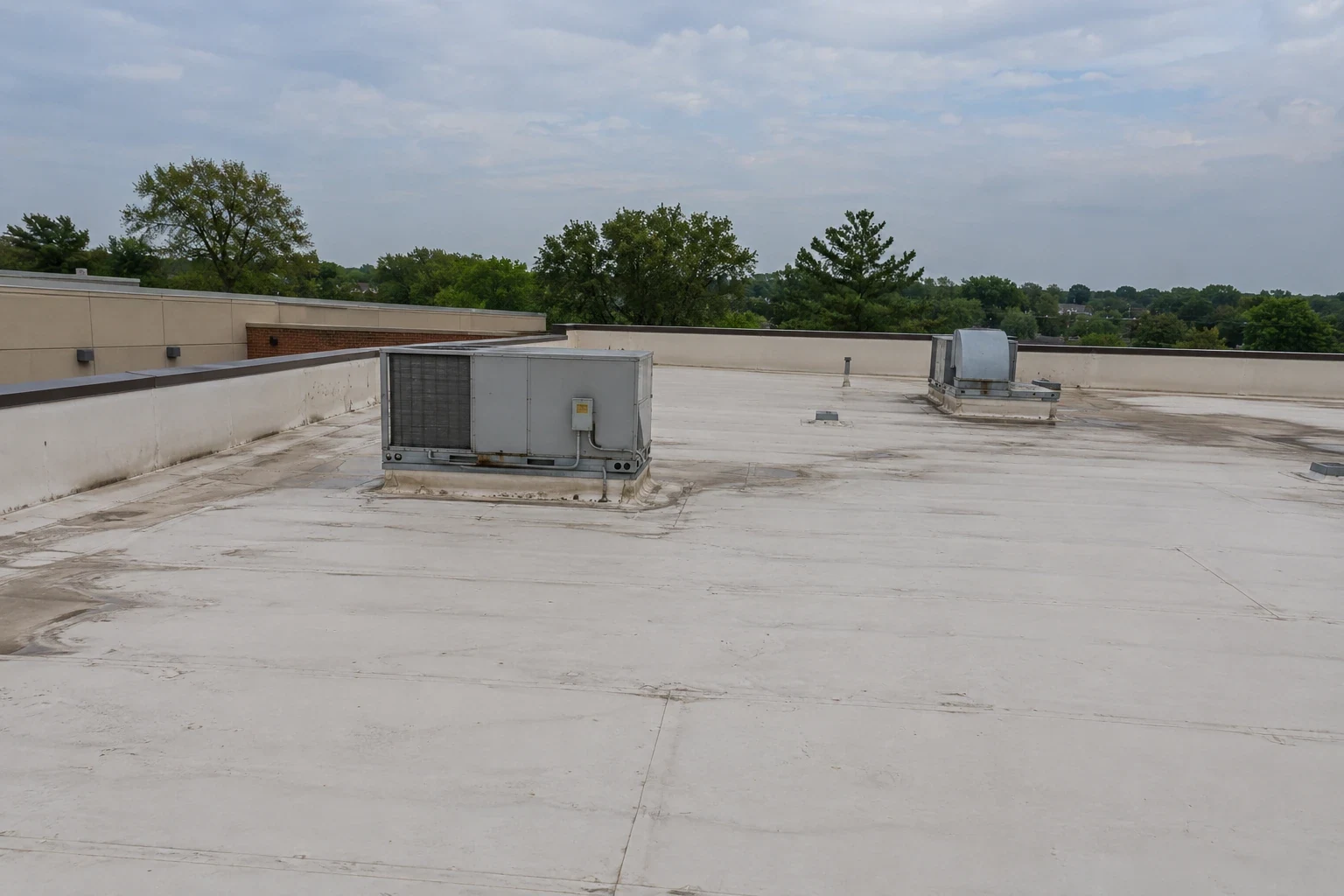
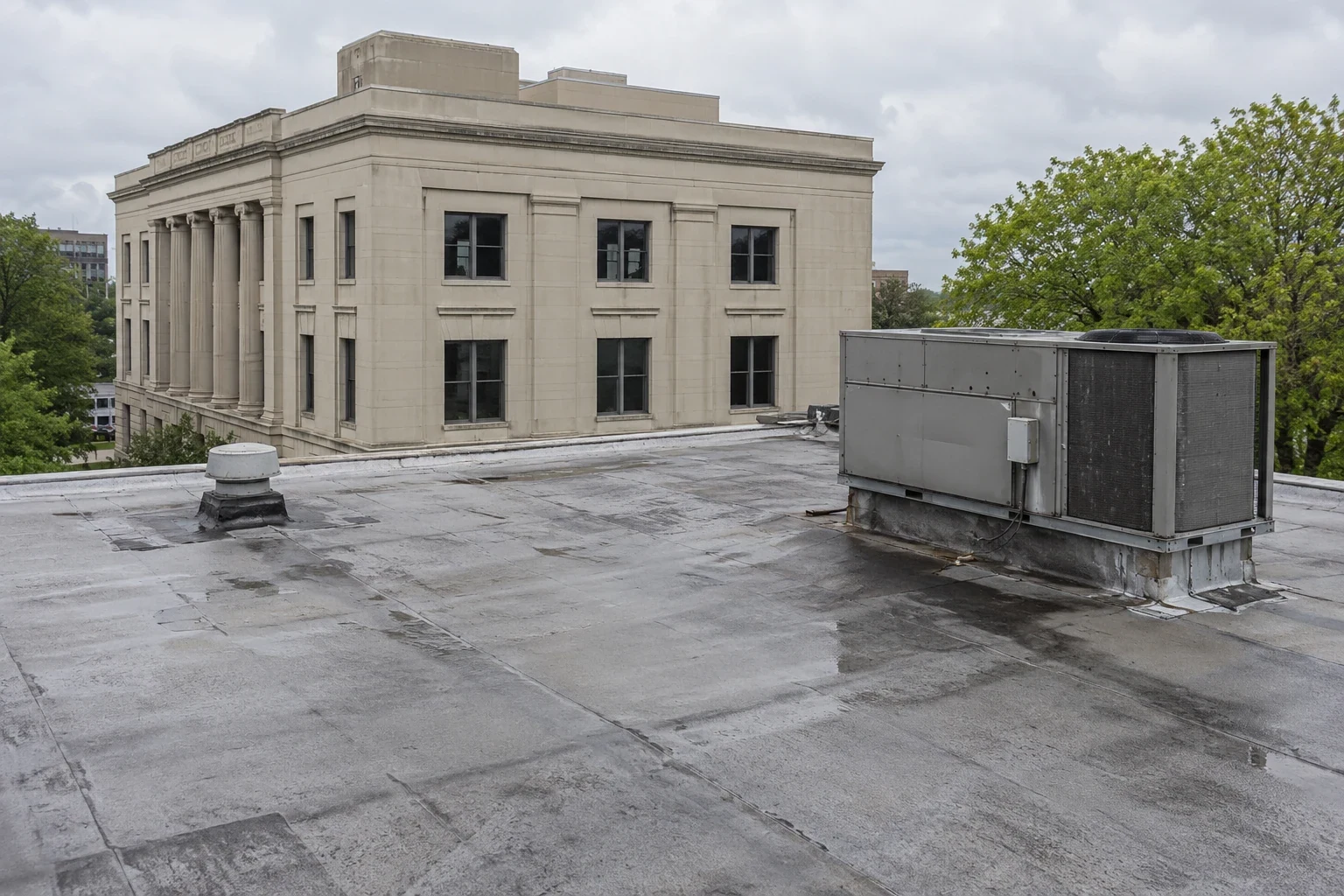
Large industrial roofs in the Airport Industrial Park and Cedar Cove carry long drain runs, rooftop units and wide expanses of membrane where ponding hides until it shows inside. A warehouse roof, a distribution center roof and a manufacturing plant roof each get a drain and deck check first, because production and stored goods sit directly below.
Retail centers and big boxes
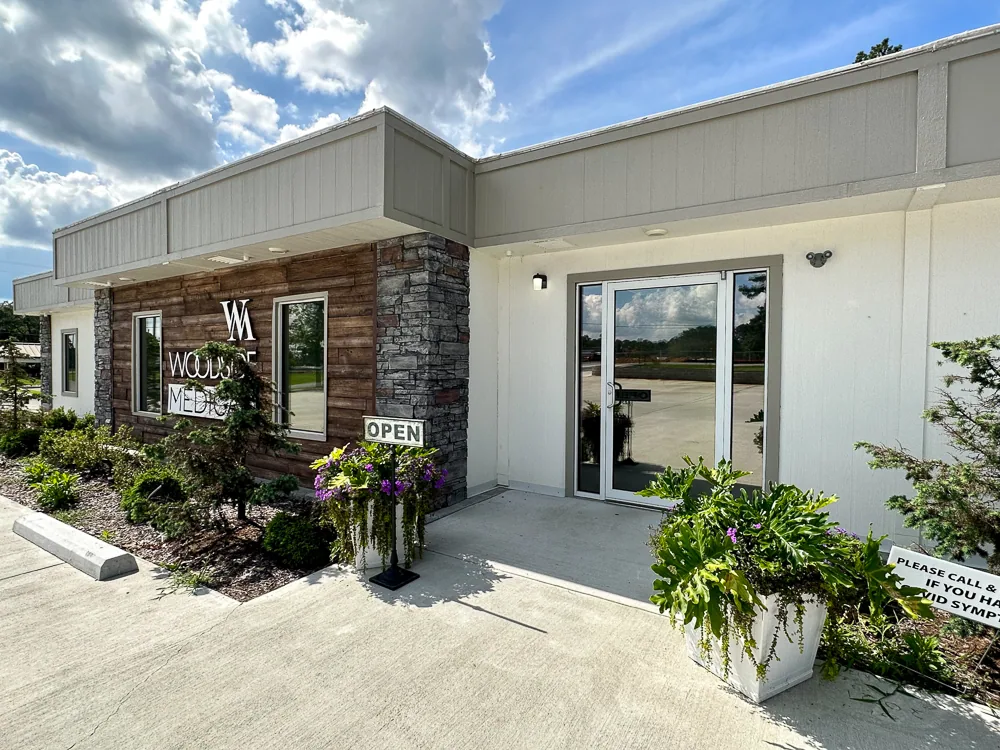
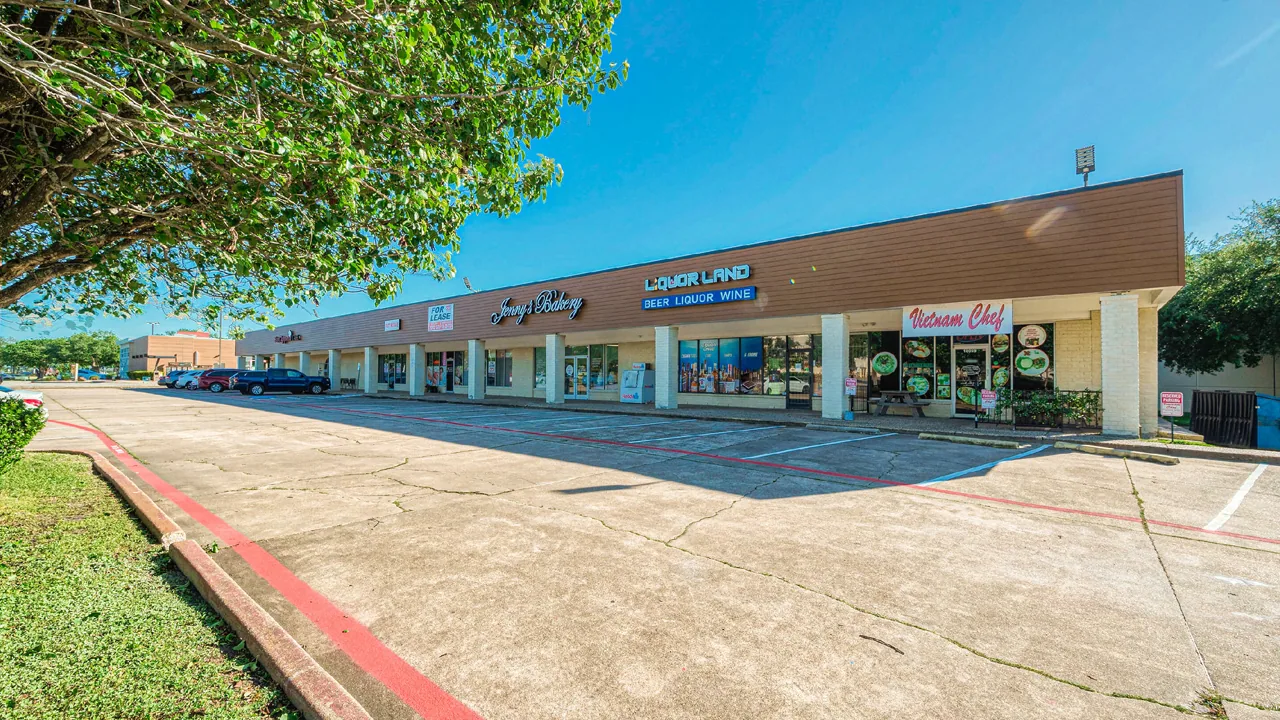
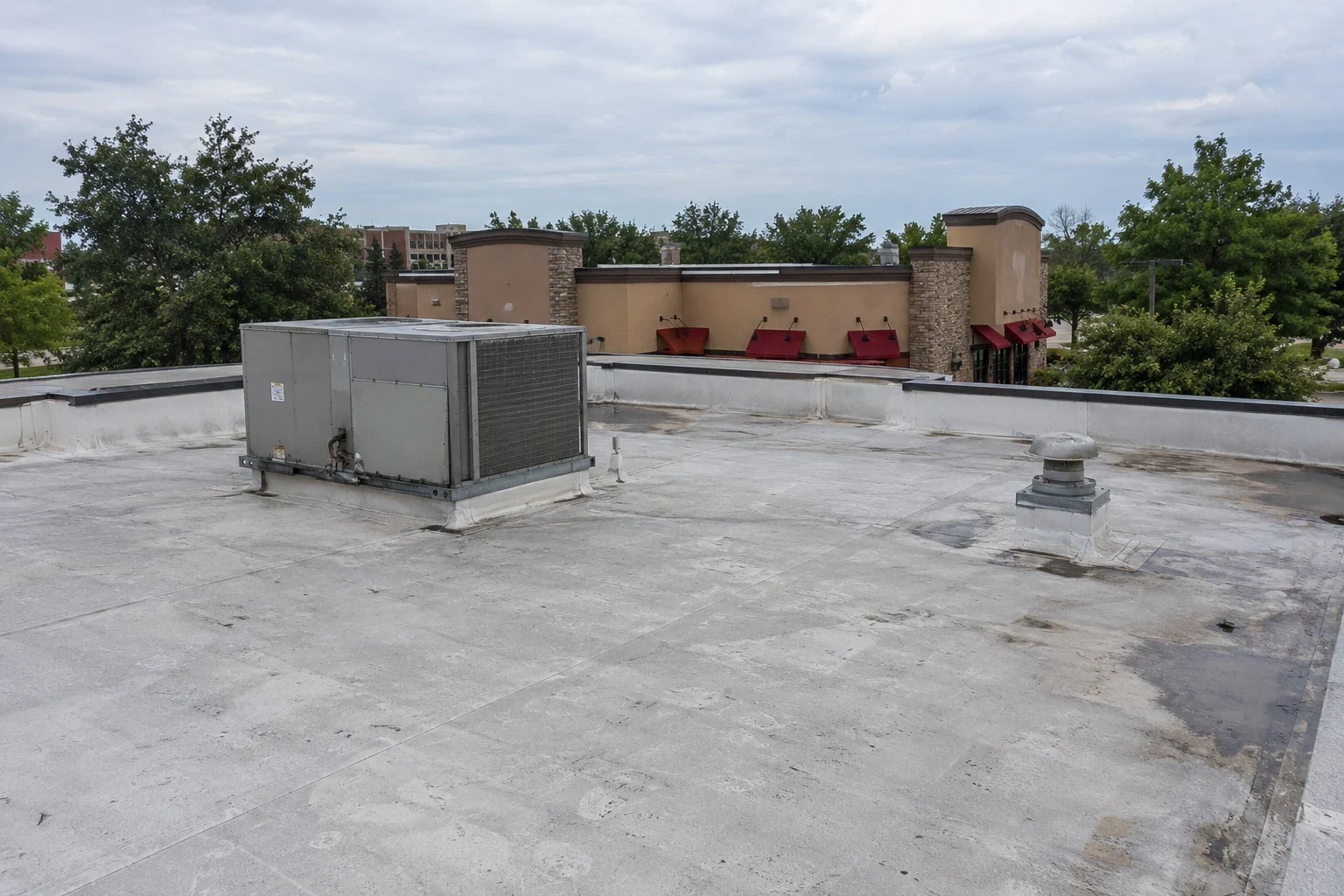
McFarland Boulevard, 15th Street and Skyland Boulevard hold the retail core, where many tenants share one roof and a leak over one unit often starts in another section. Shopping center roofs and big-box retail roofs are walked by section, with the common-area items separated from tenant equipment on the scope, and the 2011 tornado that crossed 15th Street and McFarland Boulevard is the reason edge metal and parapet caps get tested rather than assumed.
Hospitals, campuses and schools
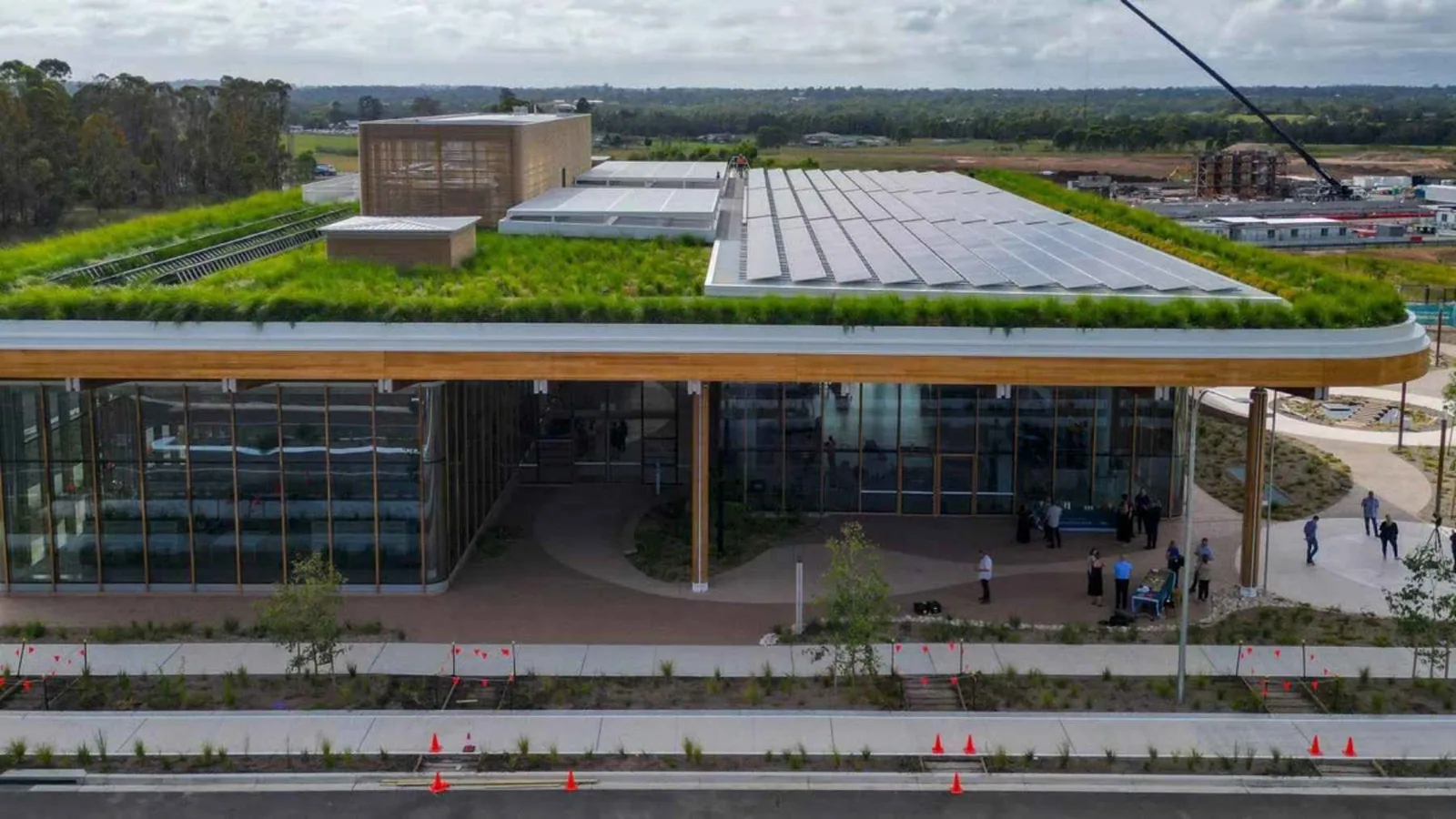
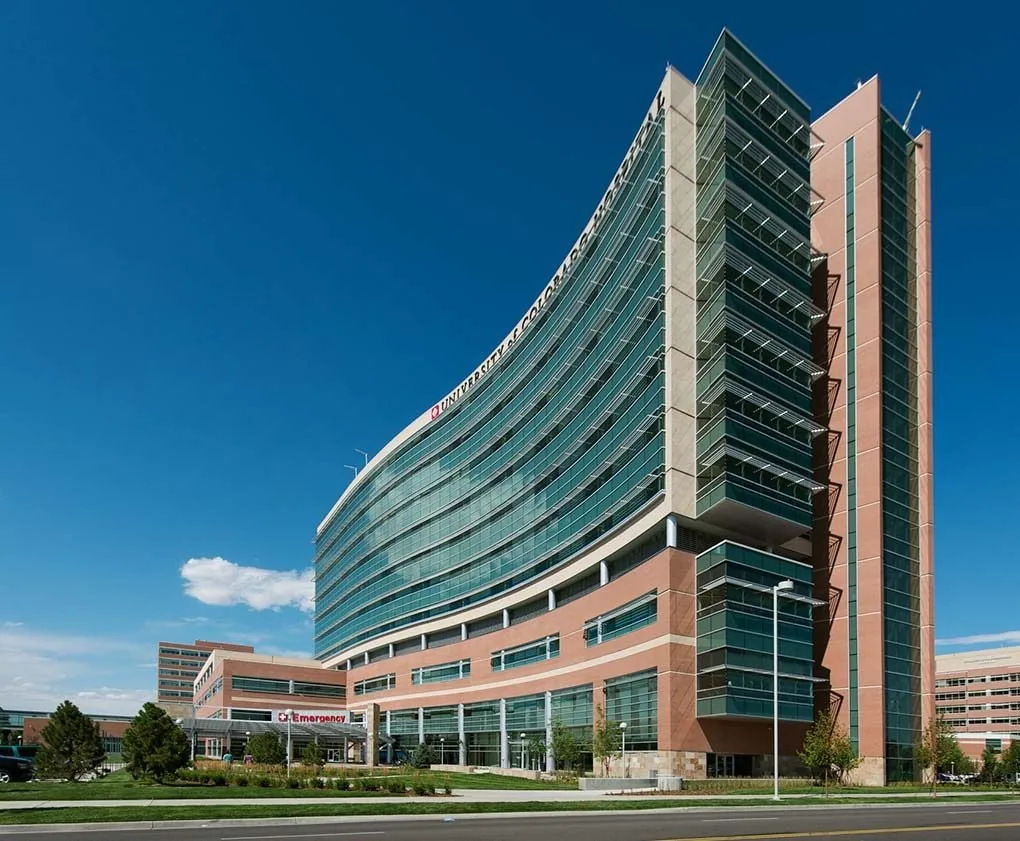
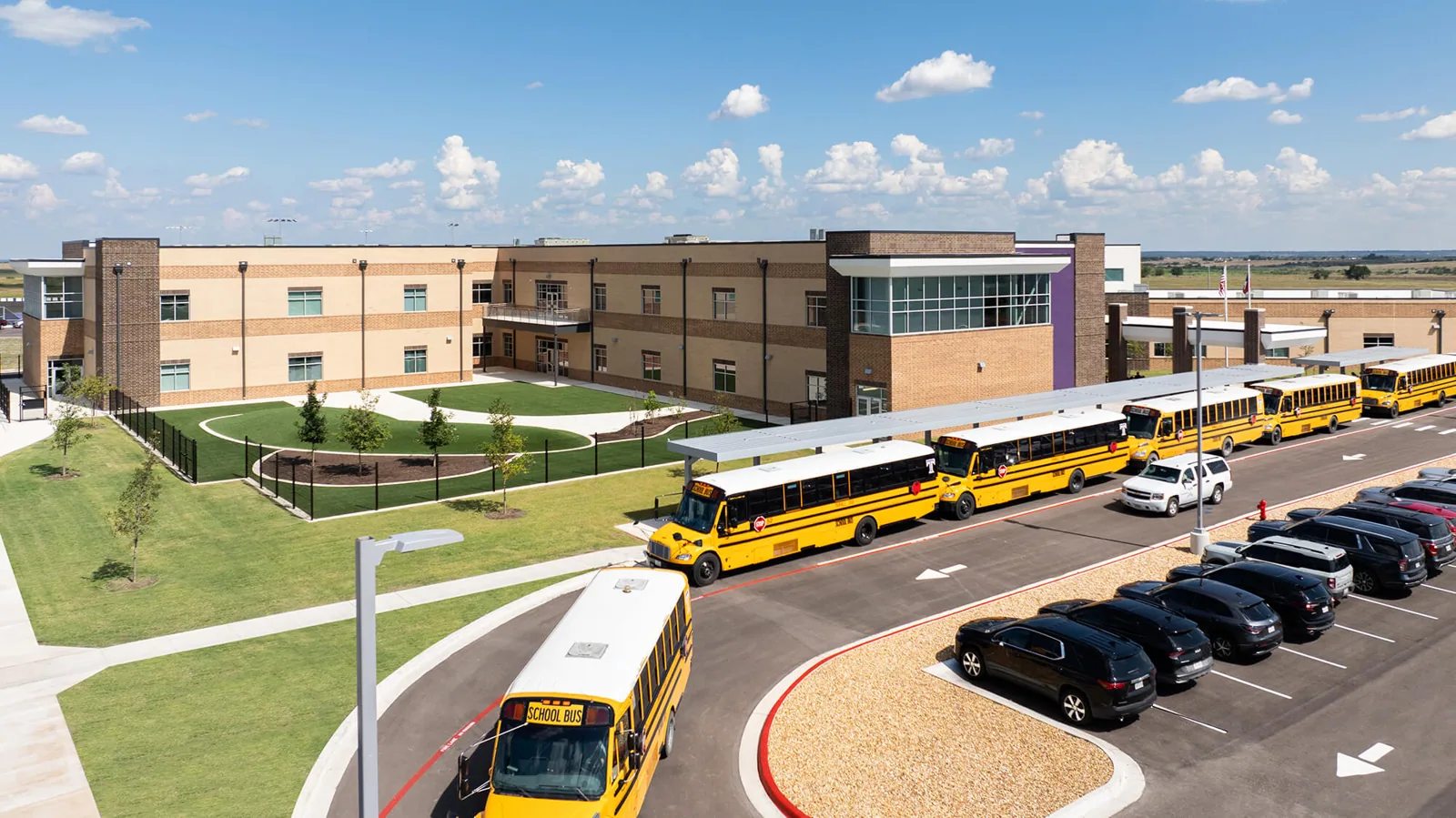
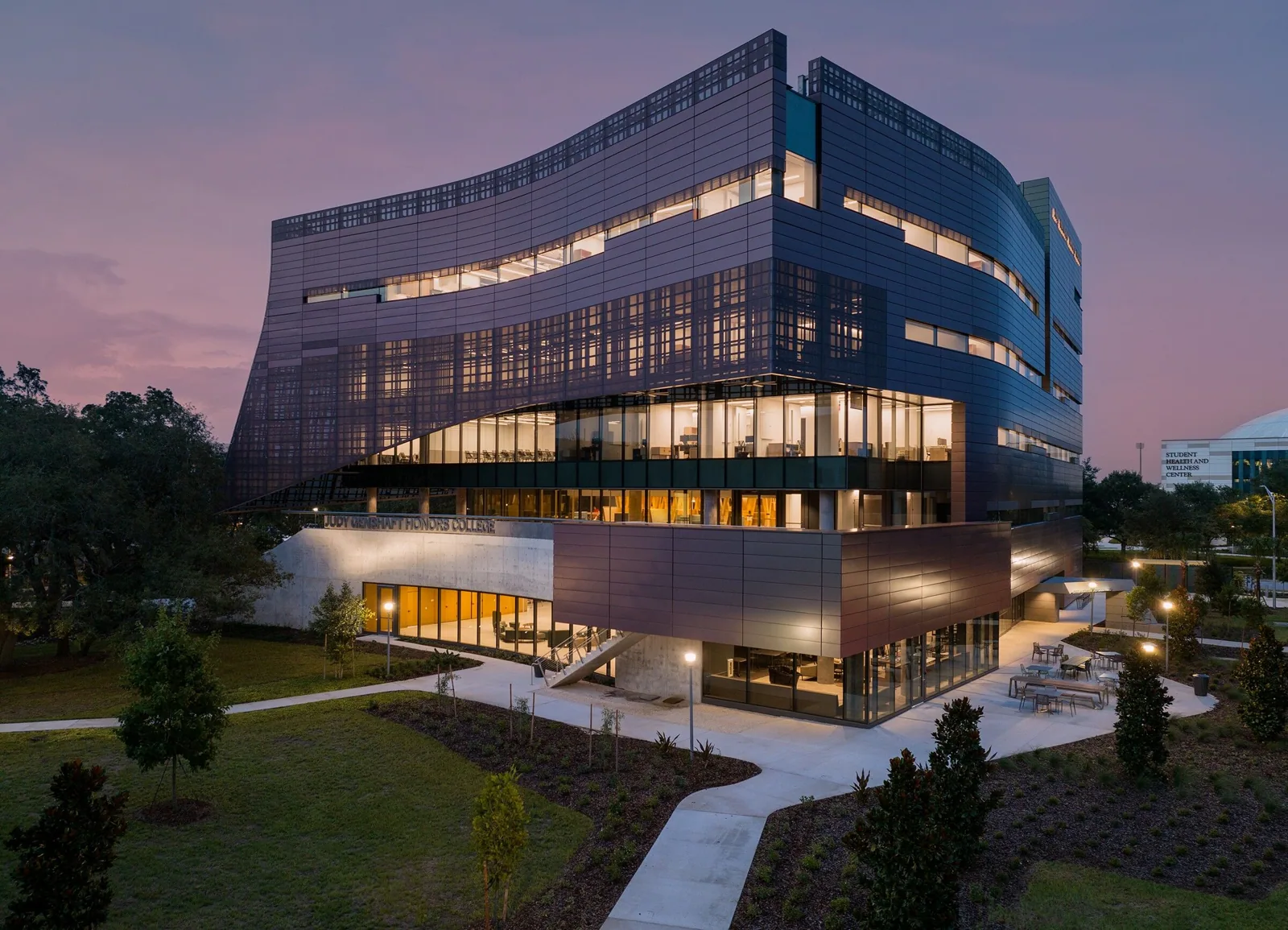
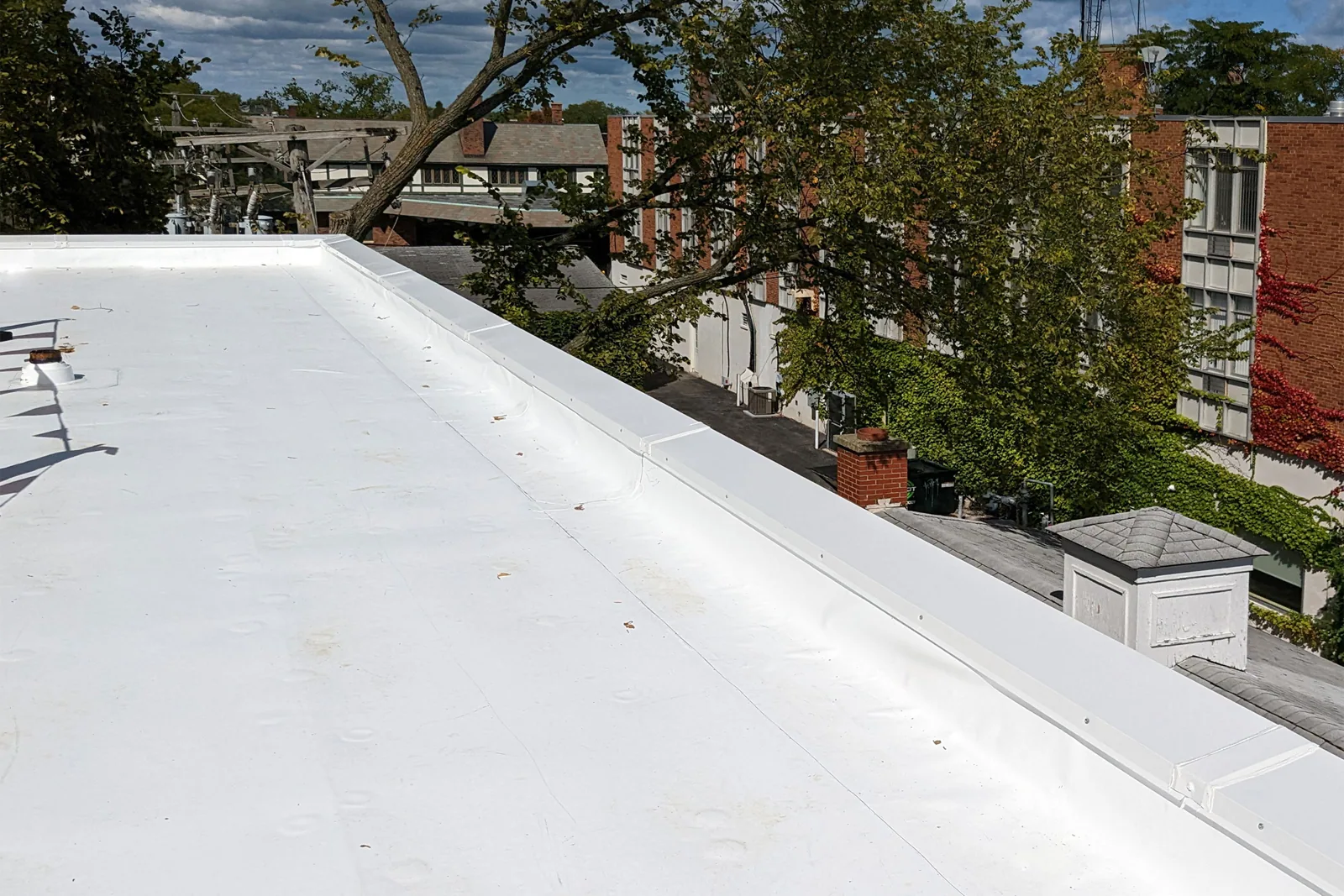
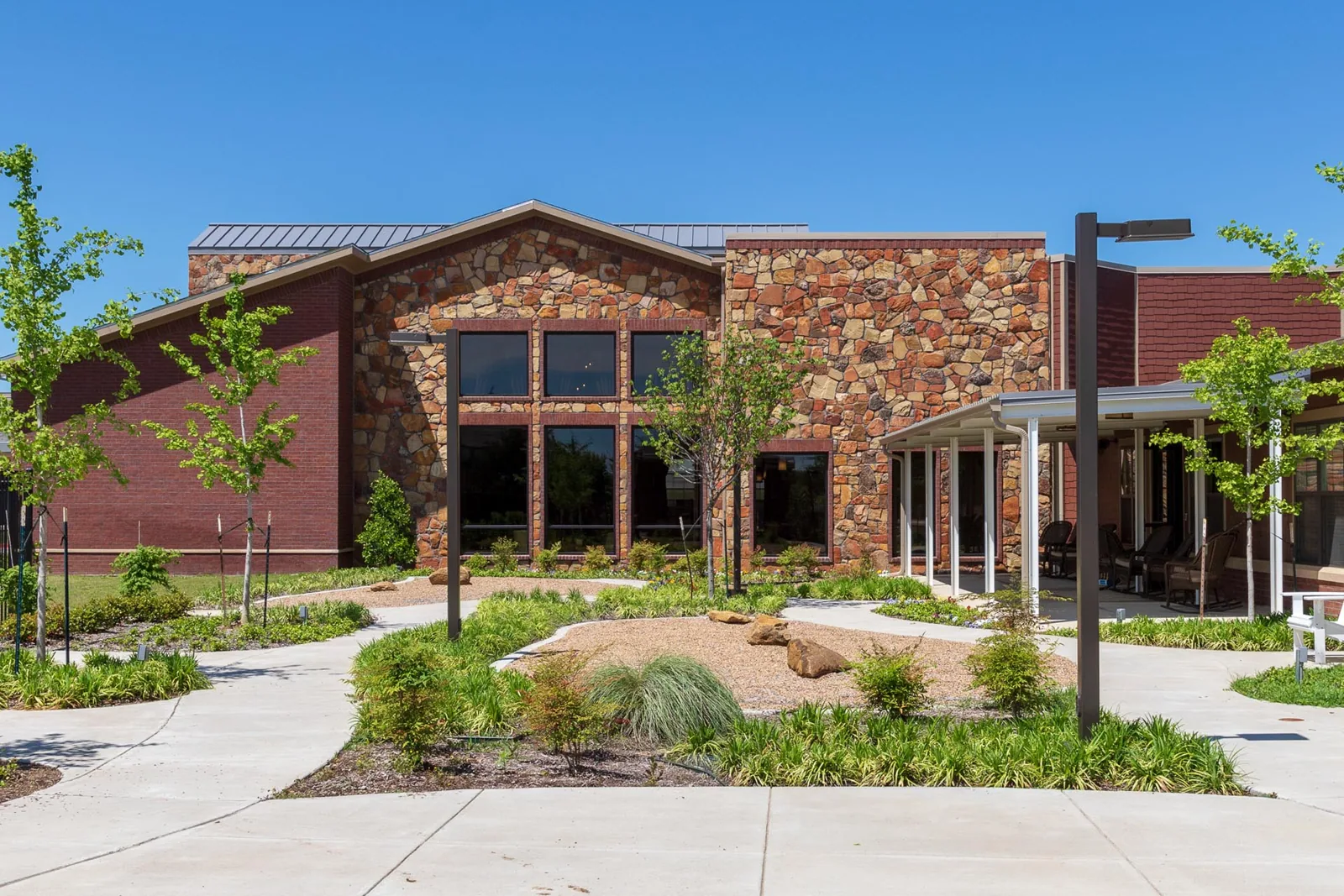
Northport Medical Center, the Tuscaloosa VA campus and the University of Alabama campus all need roof work planned around patients, classes and procedures. Hospital roofing, VA medical center roofing, campus roofing and school roofing run on phased schedules with infection control, noise and access agreed before the first crew day.
Everything in between
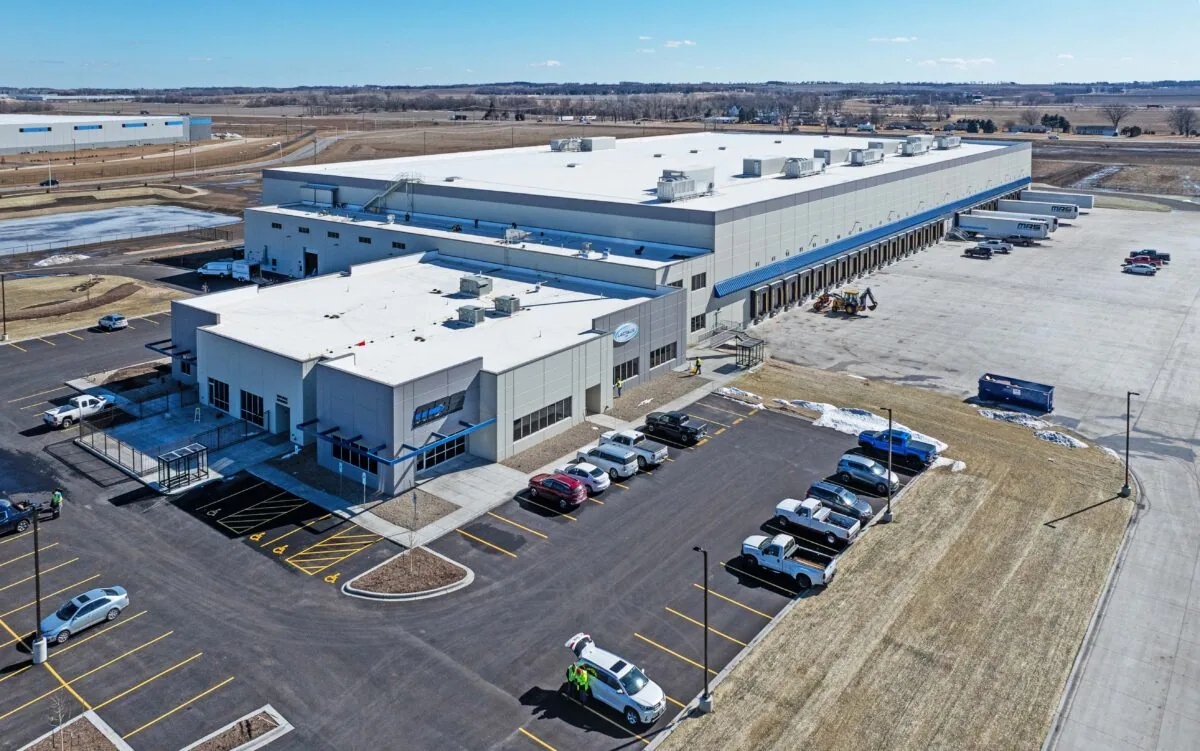
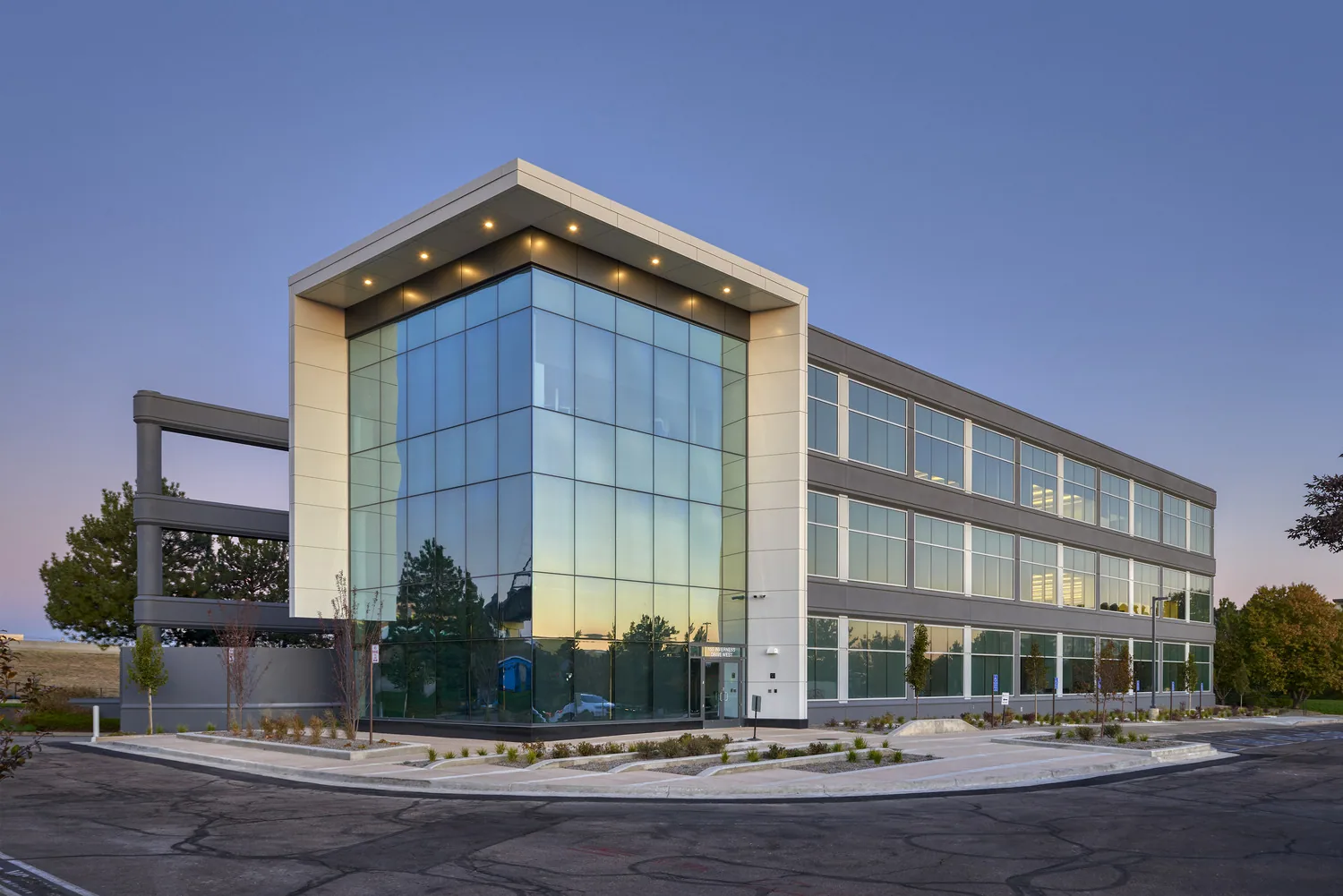
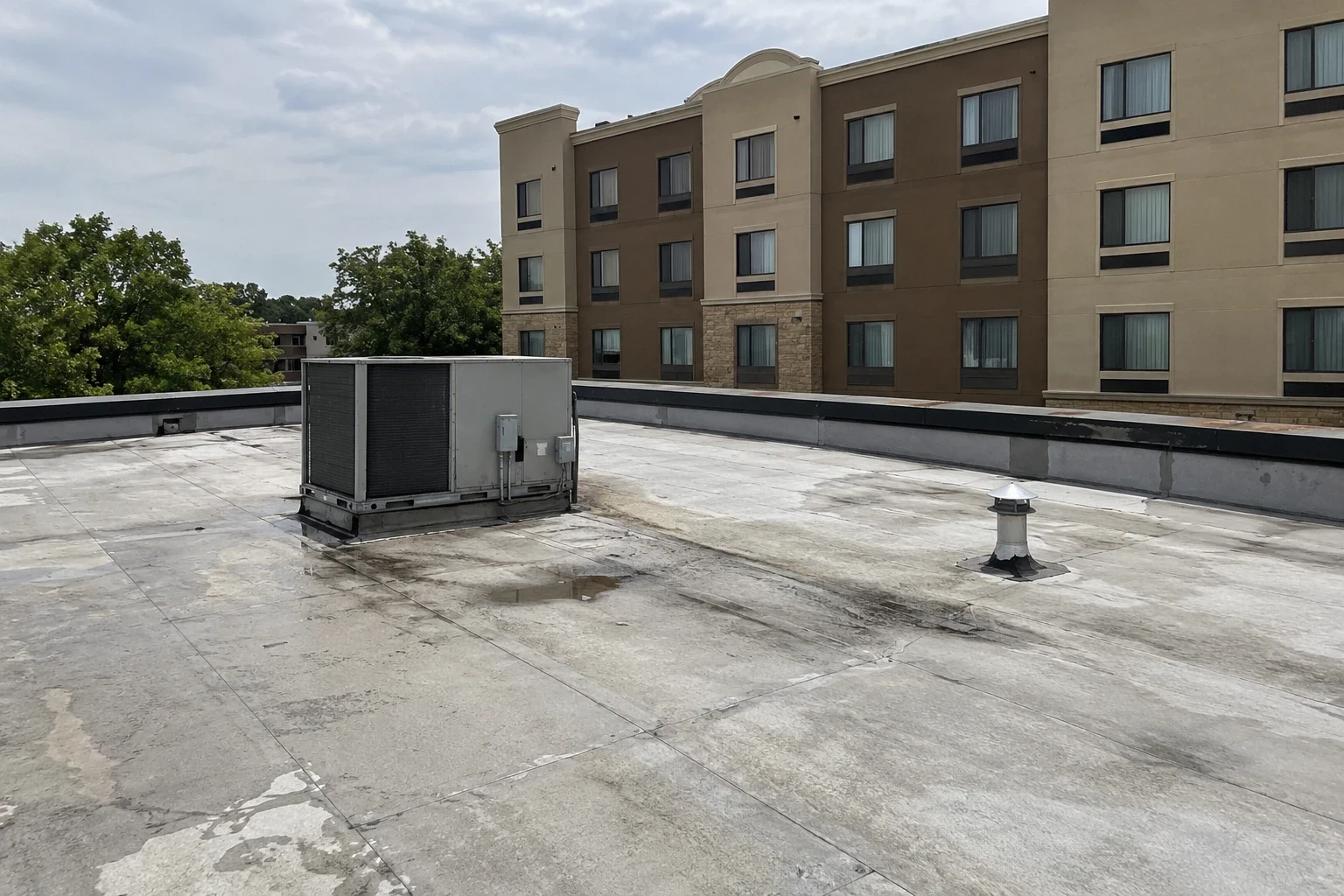
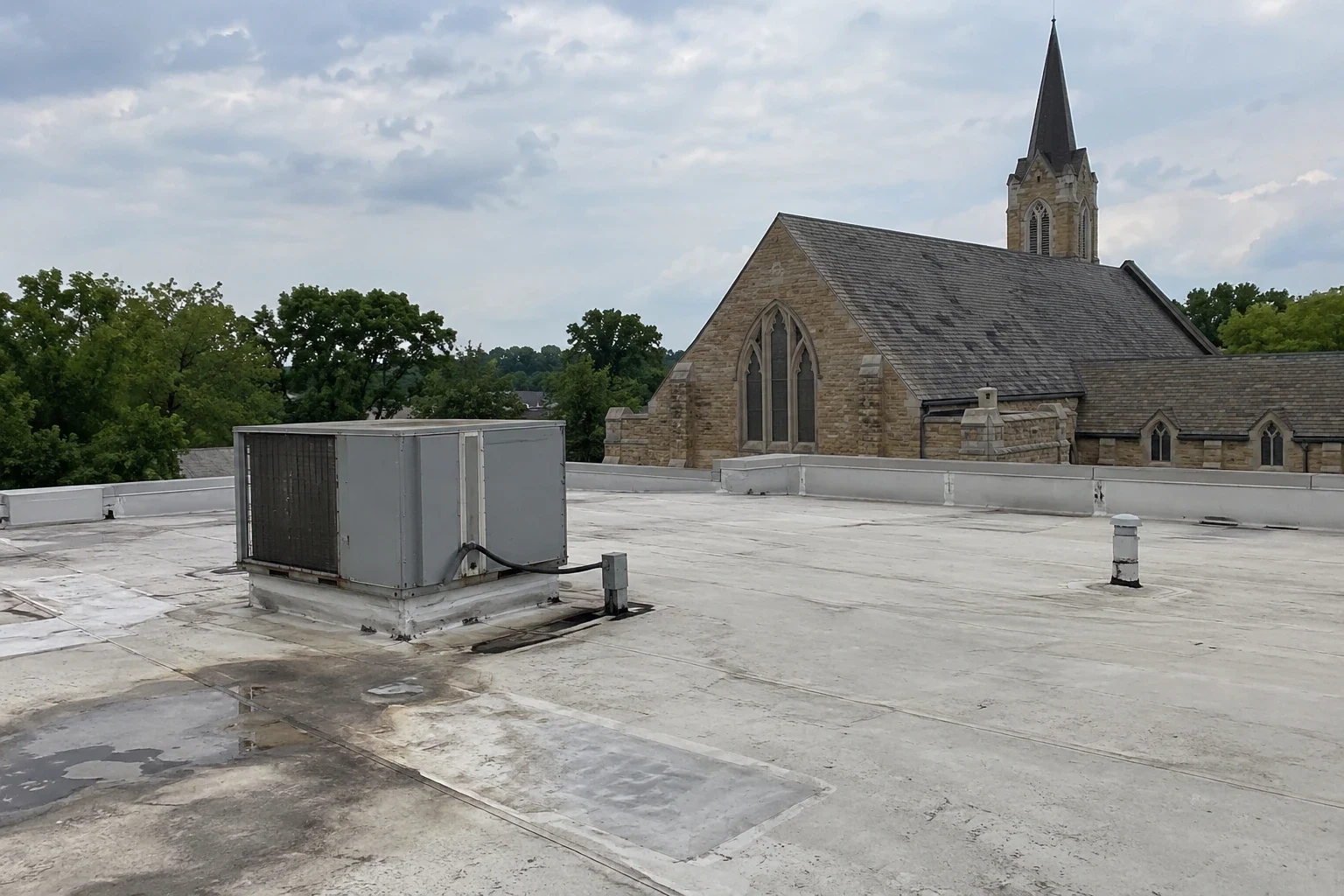
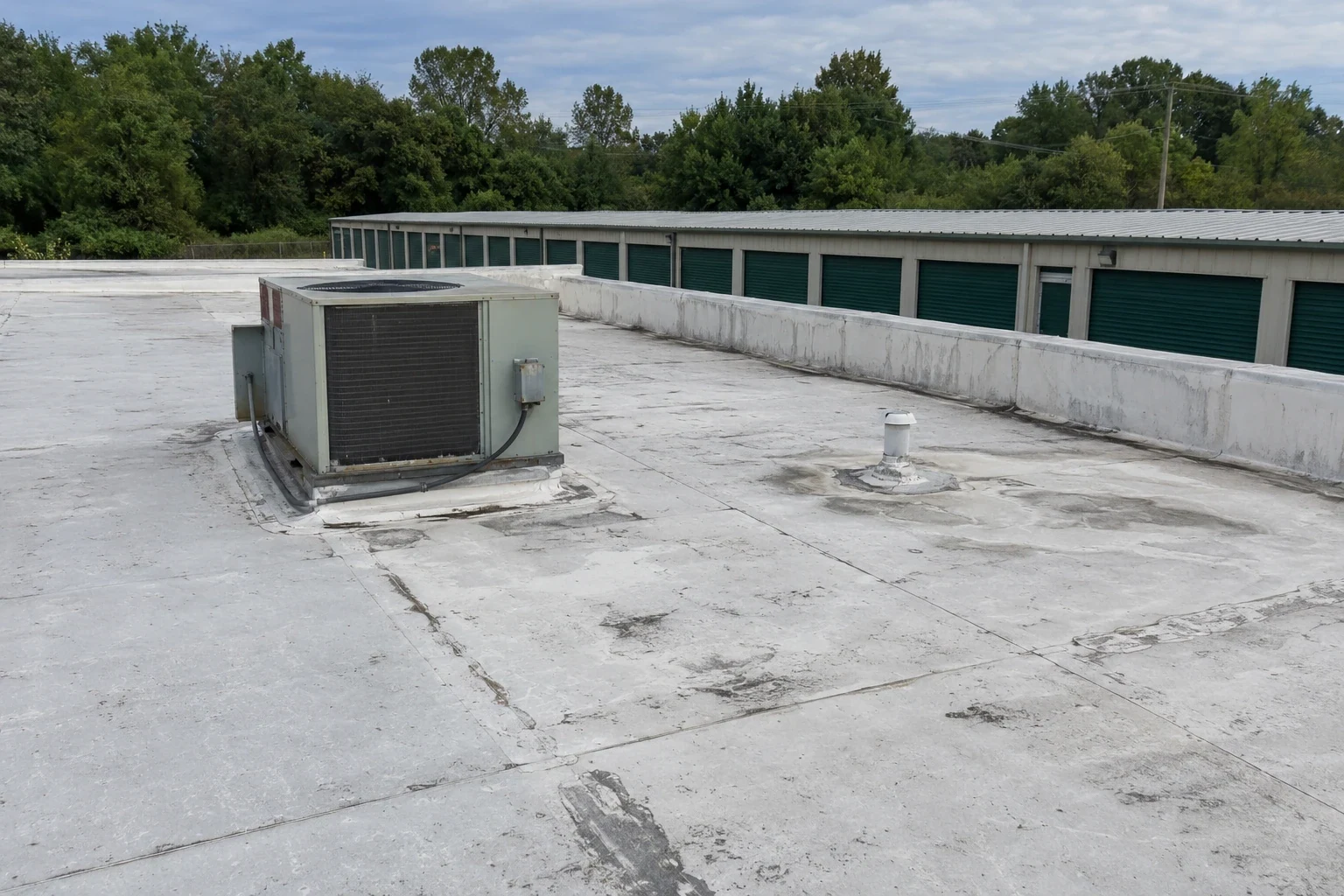
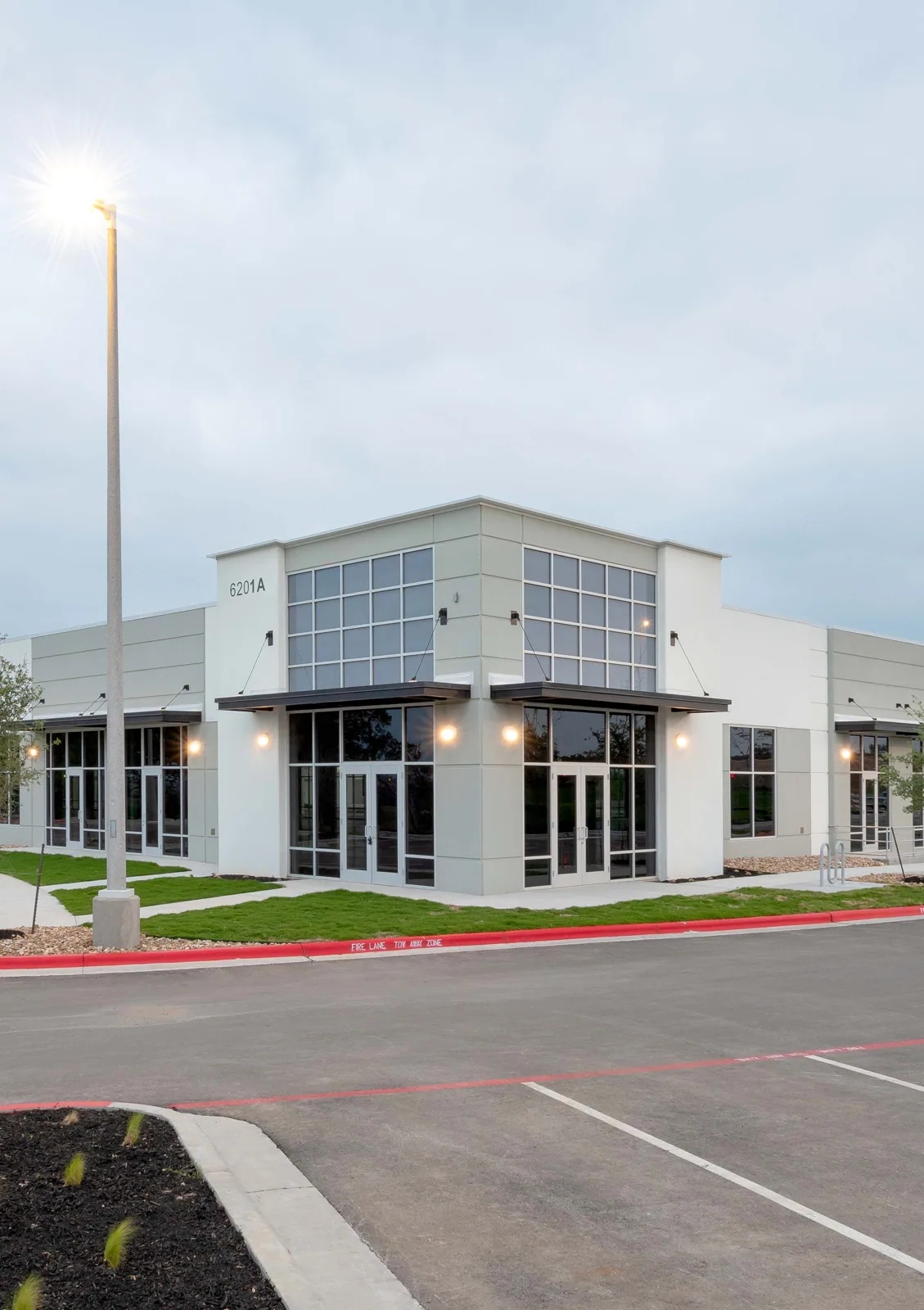
Offices, hotels, apartments, restaurants, churches, self-storage and flex industrial space each bring a different roof layout and a different tenant mix. The flex industrial roof is a typical example: office frontage under one membrane and warehouse space under another, with different drains and different access.
How each walk begins
Every property starts with the same record: roof sections marked on a plan, a photo set, moisture readings and a ranked list of what to repair first. The punch list that follows names each item by roof section, so a facility manager can hand it to a tenant, a lender or an insurer without translating it. Owners with several buildings can send the building list and get a priority order back.
Commercial Roofing Questions
Why start with the building type?
Use, tenants and equipment change what failure costs: wet insulation over a pharmacy stockroom, a leasing office or a loading dock is a different problem each time, and the first move changes with it.
Do hospitals and campuses need special scheduling?
Yes. Work is phased by roof section with noise, access and infection control agreed beforehand.
Can one report cover mixed property types?
Yes. Each building gets its own readings in a common format so the roofs can be compared.
Do retail tenants share responsibility for roof items?
Leases differ, so the scope separates common roof work from tenant equipment and lets the manager sort it out.
Send the building list
Send the building list and last roof report, and a superintendent will walk the highest-risk sections first and return a ranked condition summary.