Flex and Light-Industrial Building Roofing in Tuscaloosa, AL
A flex building carries two roofs on one plan, and a superintendent can feel the difference underfoot: the office front has a finished ceiling, a tight set of drains and a row of rooftop units on curbs, while the bay behind it has a wider clear span, a few skylights or smoke vents and a long edge over the dock doors. A leak in the front becomes a call from a tenant's receptionist, and a leak in the back becomes wet product on a pallet. Tuscaloosa, AL has industrial land all over its map, from Cedar Cove Technology Park to the Tuscaloosa County Airport Industrial Park, and the asset manager who owns flex space in either needs to know which half of the roof is failing first.
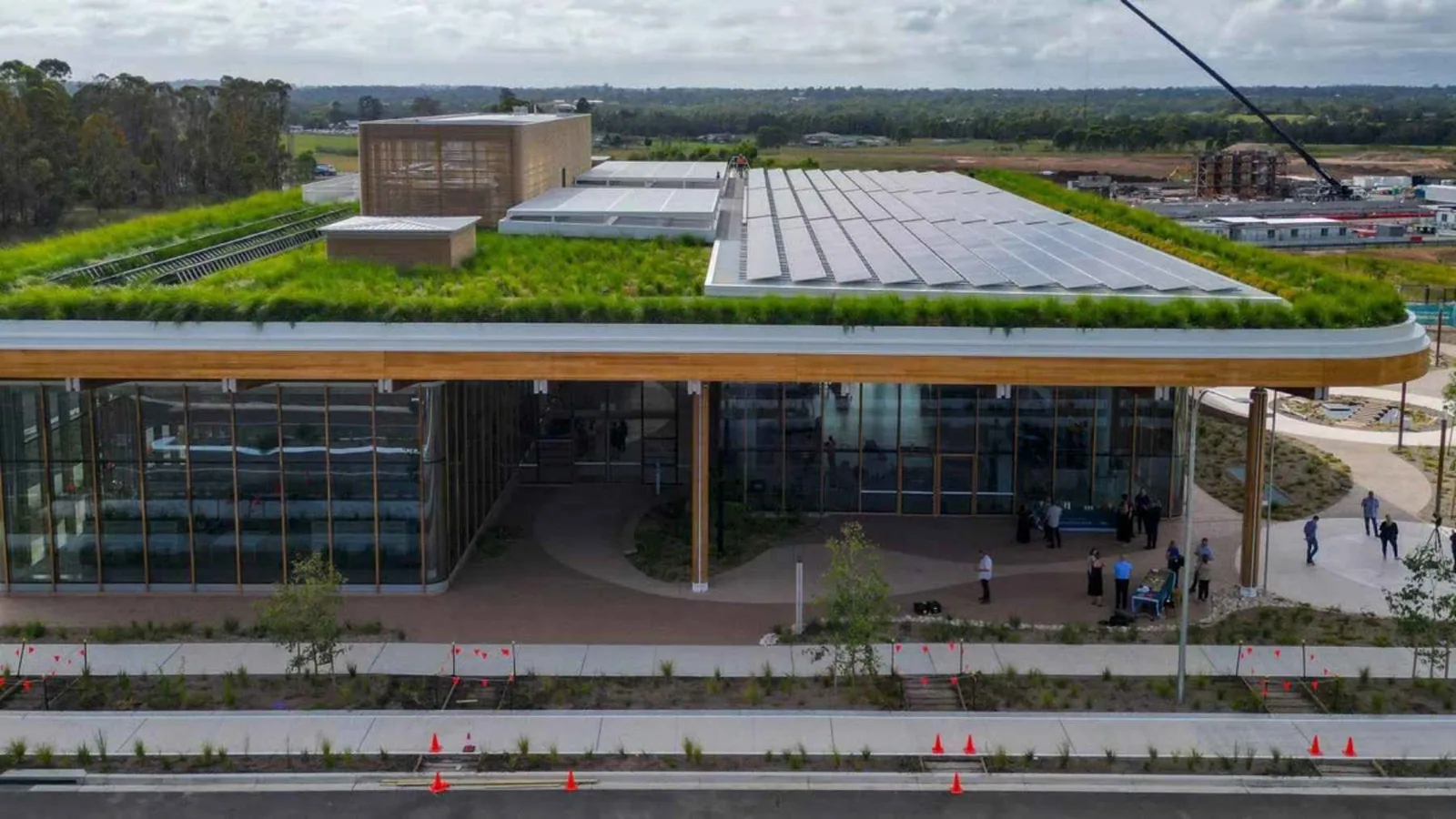
Office front and warehouse bay
The front of a flex building is built like a small commercial office, with a roof that must be quiet, dry and presentable, and the rear is built like a warehouse, with a deck and framing designed for the span rather than the finishes. We walk them as separate roof sections. The office section gets checks at the rooftop unit curbs, the drains and the parapet cap, where a tenant's air handler and ductwork run through the deck. The bay section gets checks at seams, wall terminations, dock canopy attachments and the penetrations for exhaust and make-up air. Skylights, smoke vents and roof hatches over the bay are checked for gasket wear and curb flashing, and we note any that were added after the original roof went on, since field-cut openings are where sealant has done the work a curb should have done.
The roof between the two, where the office roof steps up or down to the warehouse, is the detail that fails most often. A step flashing, a counterflashing and a termination bar have to line up across two roof heights, and any one of them that has dried out or pulled loose lets water behind the wall and into the ceiling below. We probe that transition on every flex building we walk.
Business parks and industrial areas
Cedar Cove Technology Park spans 950 acres at Progress Drive and Ed Stephens Road, about a mile from I-59, and a Mercedes supplier, SMP Automotive Systems, has planned a 700,000-square-foot facility there. Off Robert Cardinal Road, the Tuscaloosa County Airport Industrial Park holds another 1,000 acres, 4.5 miles from the interstates and served by WATCO rail. An owner of flex space in or near either park holds a building where a clean office front and a working floor share one address and one roof.
The roof walk establishes what each building actually has, and the report states the system, the age and the condition of every section. Both the Cedar Cove Technology Park and the Tuscaloosa Airport Industrial Park are within our service area.
Tenants, loading docks and the work zone
Flex buildings are often multi-tenant, and the tenants have different hours. One may run a showroom, another an assembly line, a third a warehouse with trucks backing in all morning. We ask the property manager for each tenant's schedule and the location of dock doors, then plan the work zone so that the lift, the dumpster and the material pallets never block a dock or a fire lane. Tear-off over a bay proceeds in strips that are watertight before the crew leaves, and any equipment disconnect is arranged with the tenant and logged.
Roof access on a flex building can be by exterior ladder, an interior hatch through a tenant's space or a lift. The manager decides which route is acceptable, and we notify the tenant before the crew crosses their space. Daily closeout is short and specific: which strip was opened, what was installed, which tie-in protects the edge overnight and who was told. The property manager reads it in two minutes and can answer a tenant's call without phoning the foreman.
Wind, edge metal and attachment
Industrial buildings are long and low, with large roof areas and little to slow the wind. On April 27, 2011, an EF4 tornado with estimated 190 mph winds destroyed warehouses in the industrial area along 35th Street; a May 2025 survey north of Northport found straight-line winds of 90 to 100 mph. Wind-uplift rating, edge metal and the fasteners behind it are checked section by section, and a pull test settles any section whose original attachment is unknown. The corners and perimeters of a large roof take the highest uplift, so they get the closest look and, when needed, a heavier fastening pattern at replacement. A new roof is designed and permitted to the 2021 International Building Code the state has adopted, and the uplift rating goes into the closeout file where the next asset manager can find it.
Ponding, drains and heat
About 53.5 inches of rain a year falls on Tuscaloosa, and the record high stands at 107 F. A flat roof here has to shed storm water quickly and survive summer afternoons, and ponding at a drain sump or a low spot shows both failures at once. We measure how long water stays after a rain on the day it falls and again two days later, clean the drains and scuppers, flush the lines to the downspouts, and correct slope with tapered insulation when a section is replaced. The condition of the membrane seams after repeated heat cycles tells us how much service life remains, and a probe at the welds shows whether they have gone brittle. An infrared moisture survey on a dry evening shows where the insulation has taken on water.
Repair, recover or replace
The choice turns on moisture, layers and structure. Seam and flashing problems on a dry roof can be repaired, or the roof can be restored with a coating. A roof with dry insulation and sound deck can take a recover, which saves tear-off and shortens the time the building is open. A roof whose insulation is wet over most of its area calls for replacement. We put each option in writing, with the cost of leaving it alone, so an owner can compare against other buildings such as a warehouse or a distribution center in the same portfolio.
Flex buildings change tenants often, and the roof record should change with them. A tenant who adds a compressor, a dust collector or a kitchen exhaust is cutting into one of two very different roofs, so the lease should name the roofer who flashes the opening and the date it was done. The manager then holds one page that shows every cut, whoever made it.
Commercial Roofing Questions
Why does the step between office and warehouse leak so often?
It joins two roof heights with flashing, counterflashing and a termination bar. Any one drying out or pulling loose lets water behind the wall.
Can tenants stay open during a reroof?
Usually yes. We work in strips, keep docks and fire lanes clear and dry in each section before the shift ends.
How do you check a roof we cannot walk safely?
With a drone for the survey, then a close look at accessible areas. Infrared on a dry evening shows wet insulation.
Is a coating a good option on a flex roof?
If the membrane is sound and the insulation is dry, yes. Seams and flashings must be corrected first.
What does an owner of several buildings receive?
A ranked list with photographs for each roof section and what it costs to leave alone, so the worst gets funded first.