
Commercial Roofing Services
A superintendent walking a Tuscaloosa, AL roof sorts the work into a short list before anything else: what has to stop the water today, what has to be looked at before the next storm, and what belongs on the capital plan for the next budget cycle. Our services follow that same order, from emergency repair through planned replacement to long-range upkeep, and each one is performed on occupied buildings with the tenants, the shifts and the deliveries in mind.
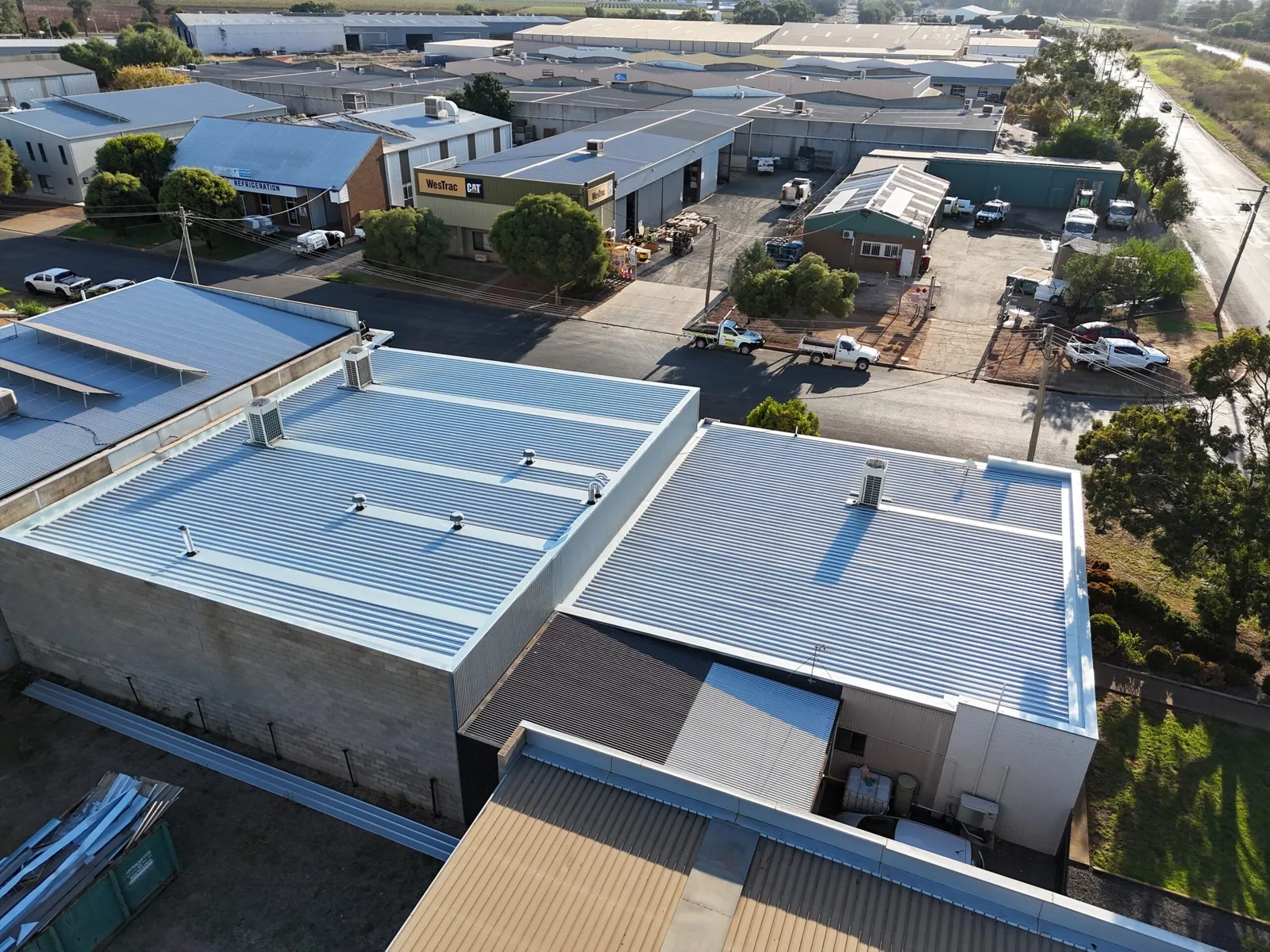
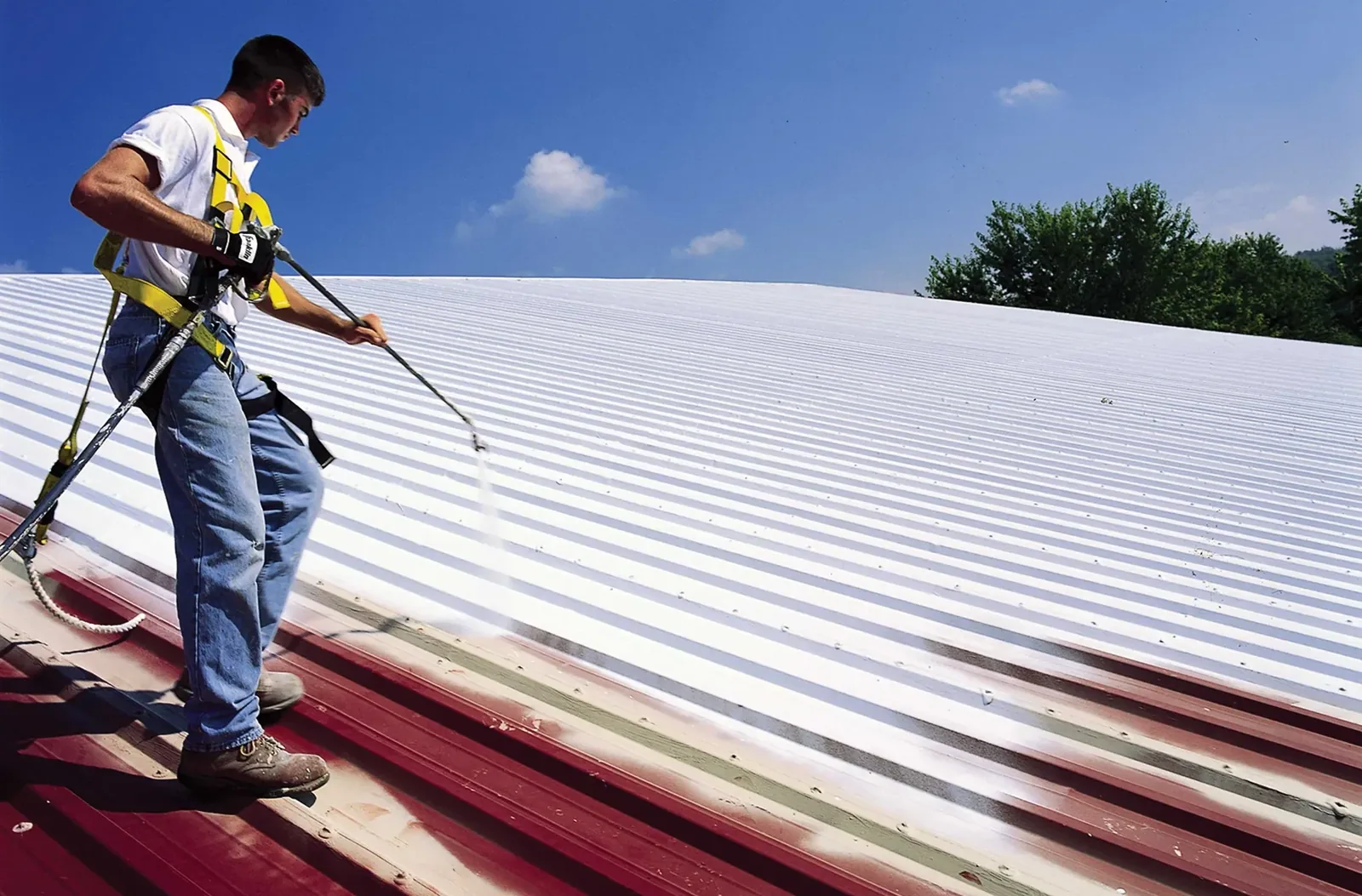
More About Commercial Roofing Services
Emergency and storm response
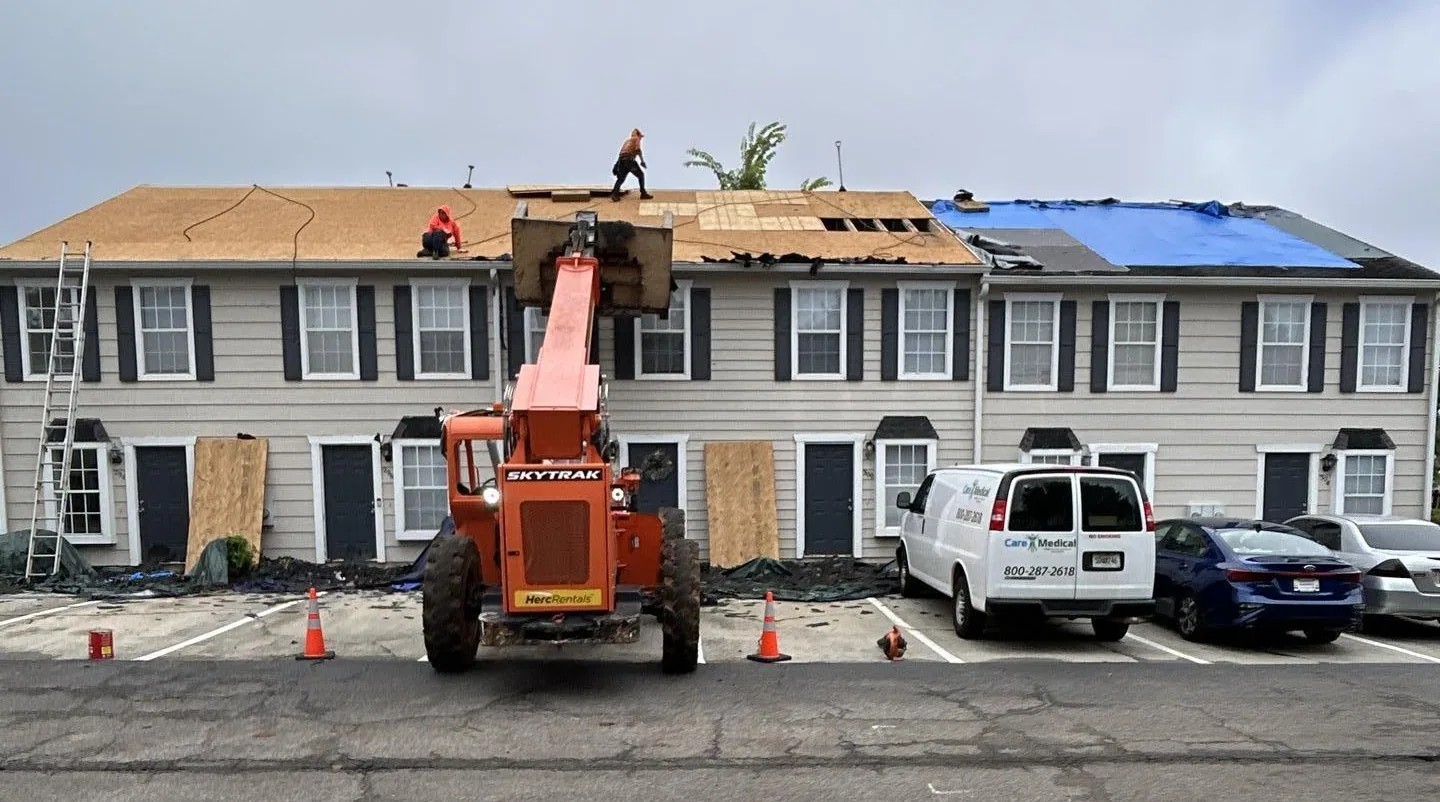
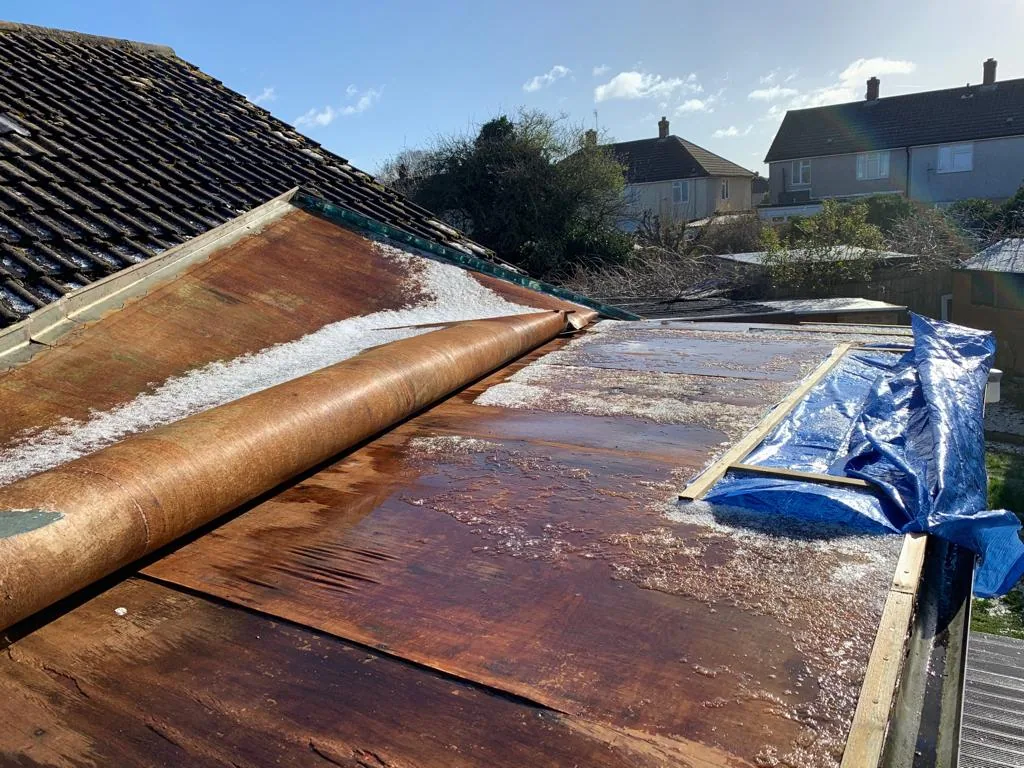
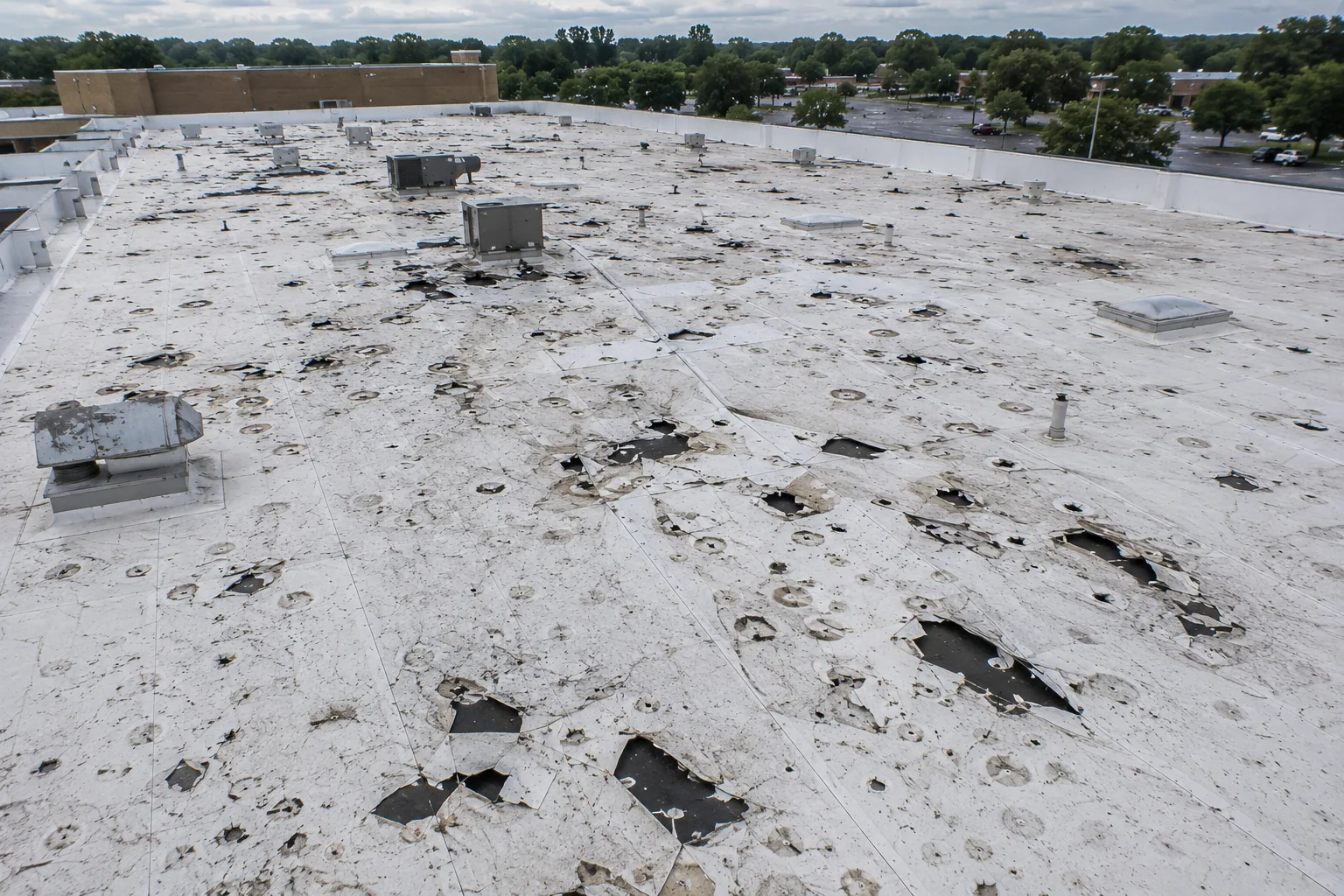
Wind is the hardest load a Tuscaloosa roof takes, and the 2011 tornado is the reference point whenever edge metal and uplift come up. When a roof opens up after a storm, emergency roof repair comes first, followed by the storm damage repair that restores the sections the wind took. Response runs around the clock, holidays included, and the first visit protects the space below before anyone prices a permanent fix.
Inspection and condition work
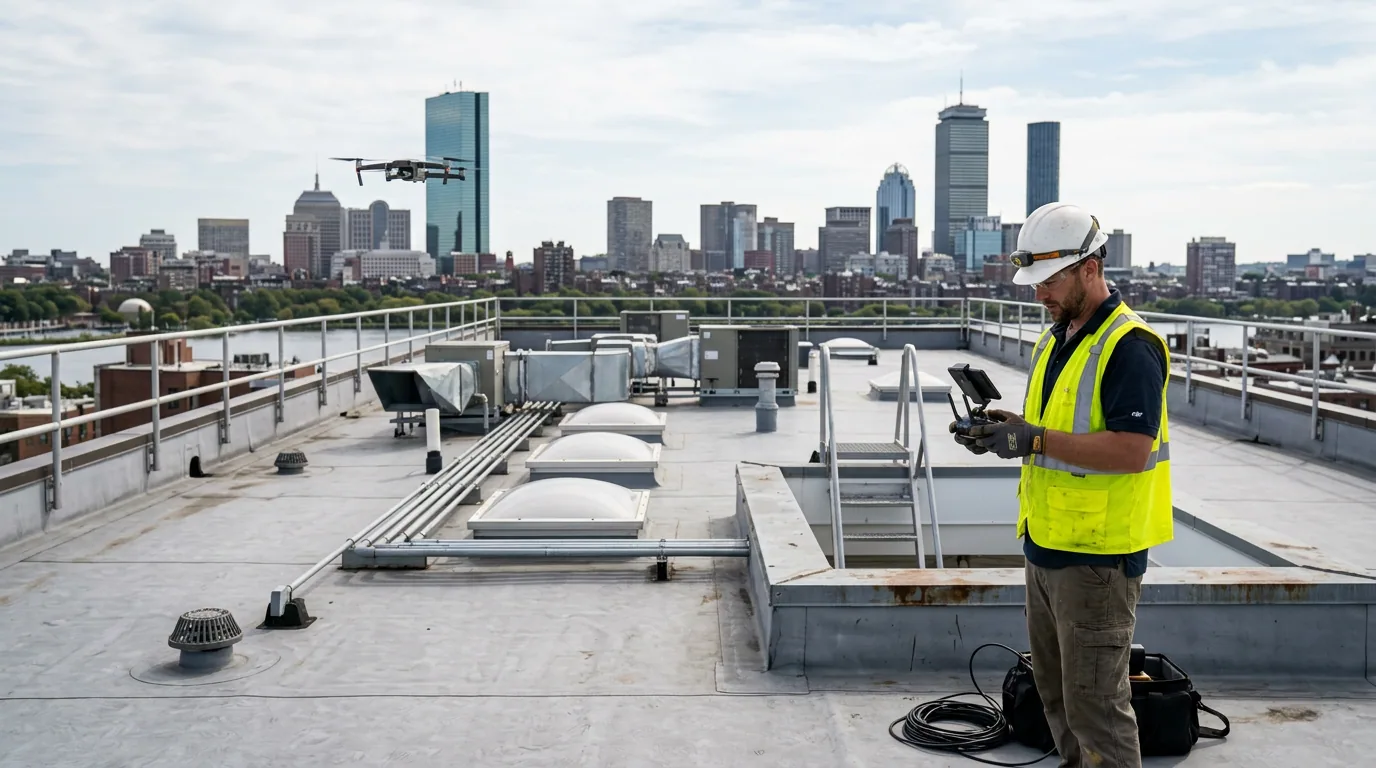
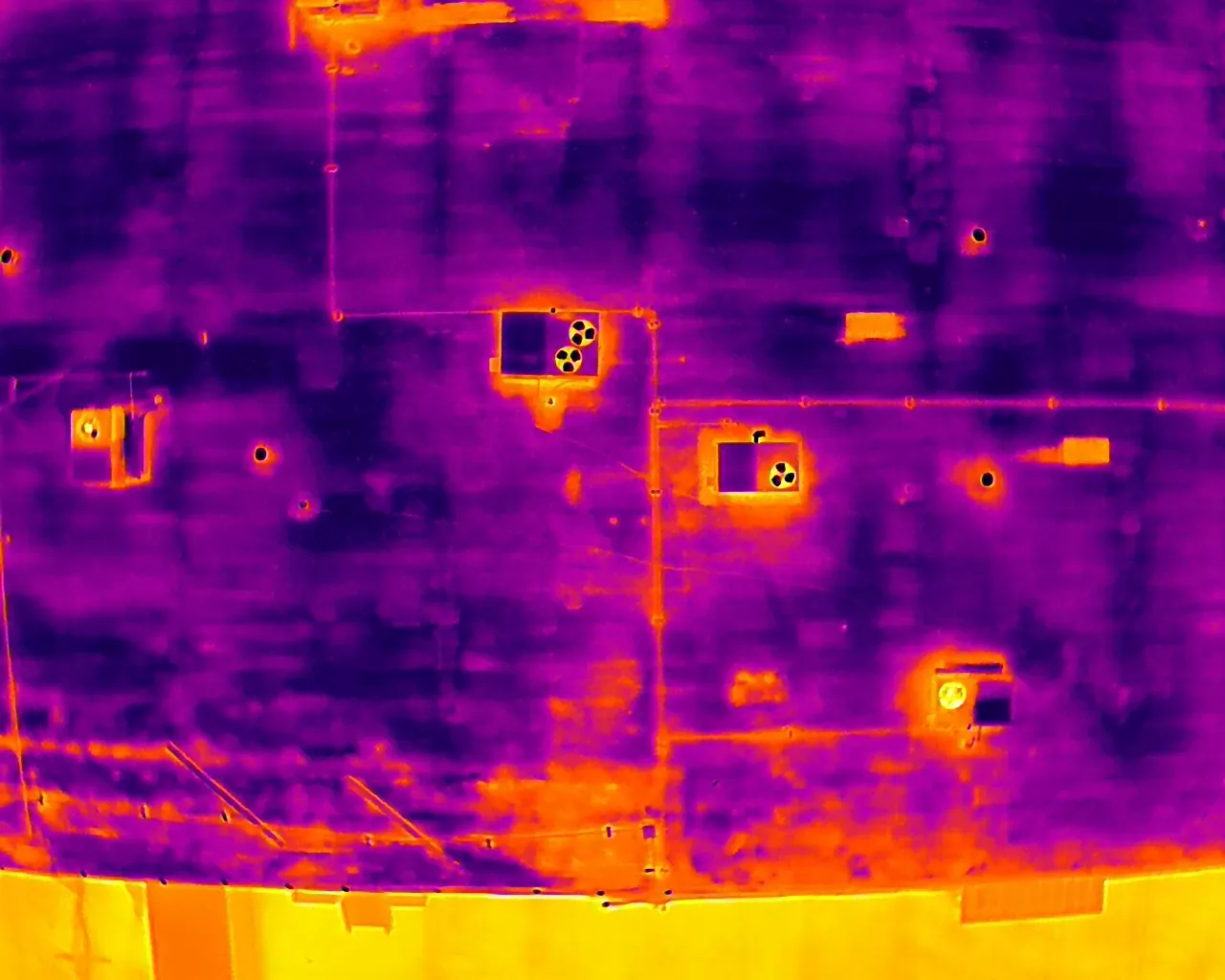
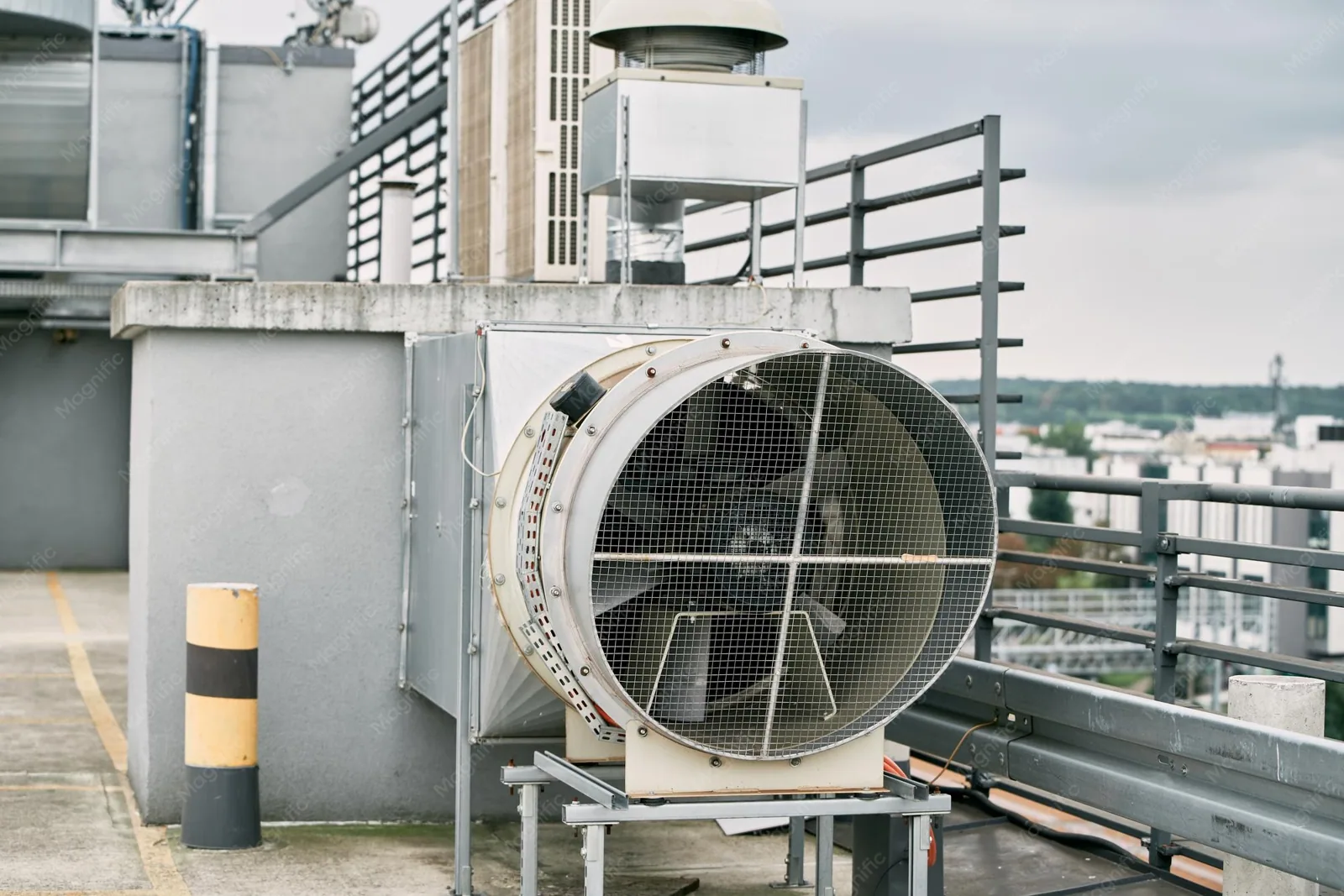
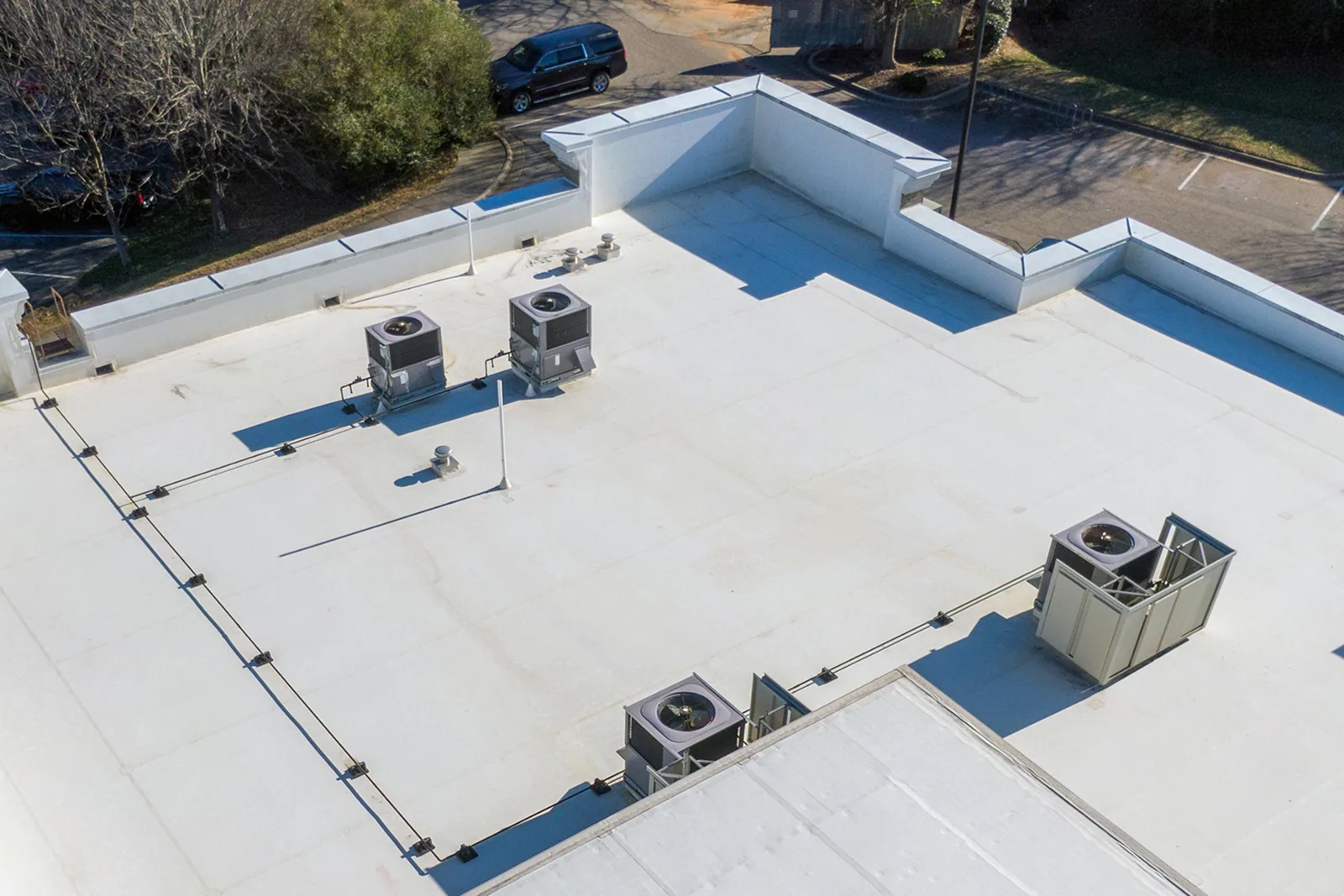
Most roofs in this market carry about 53.5 inches of rain a year on top of a record high of 107 F, so ponding near drains and heat movement at rooftop unit curbs are the conditions that show up on a walk. A commercial roof inspection records those findings with photos and a ranked list of sections, and an infrared or drone pass is added when the roof is large or the leak path is unclear. The result is something an asset manager can put on the books.
Repair, recover and replacement
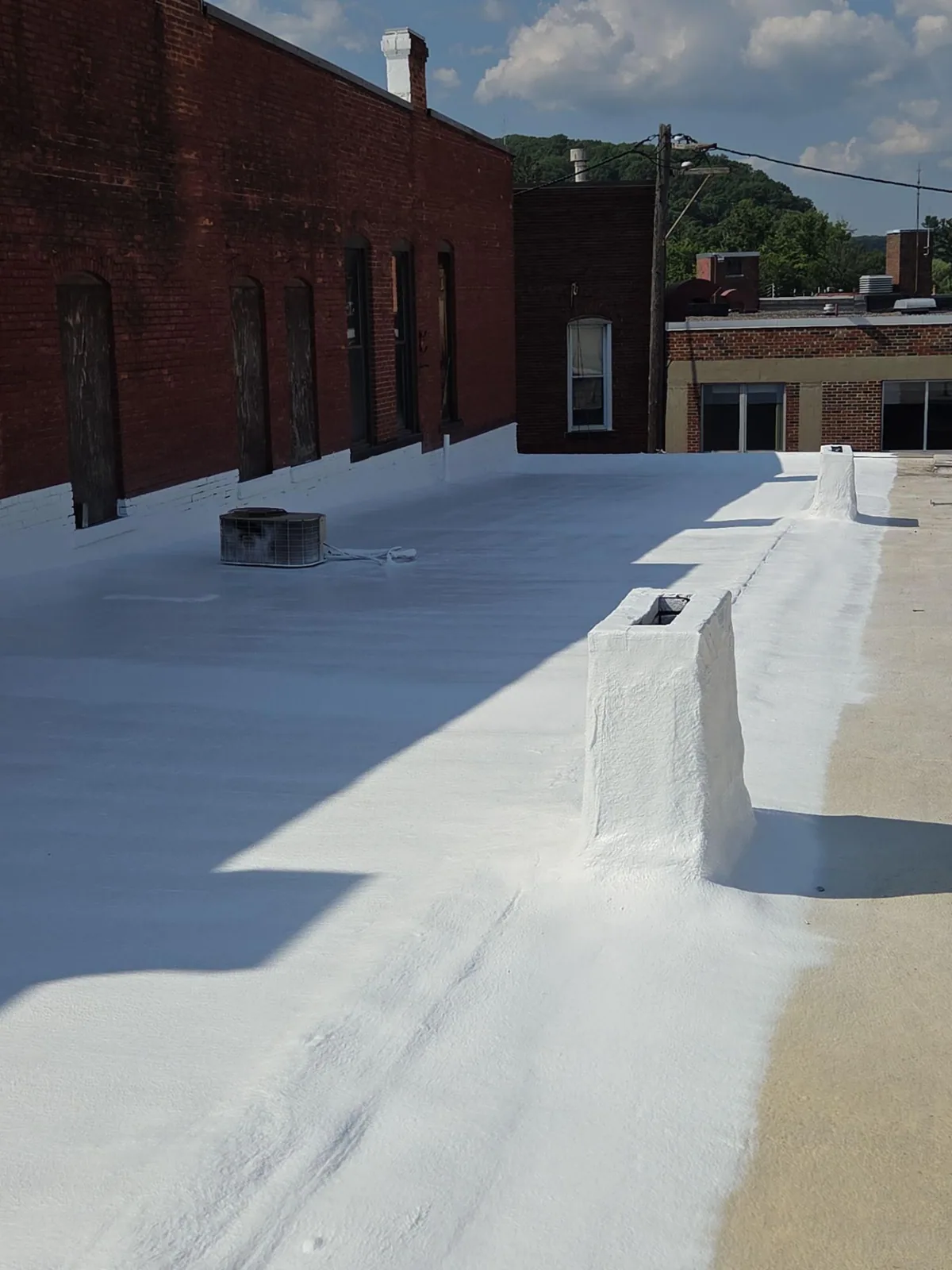
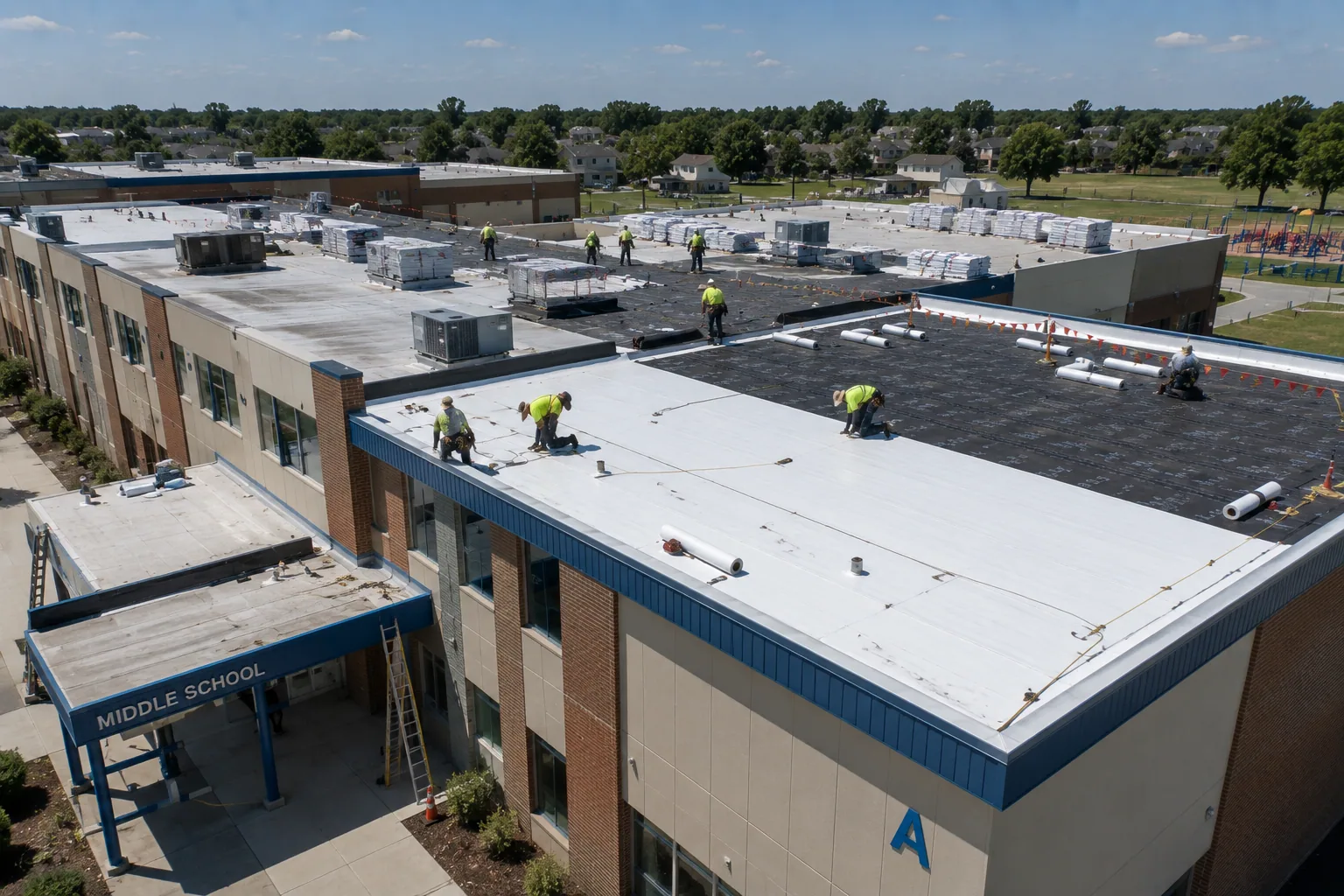
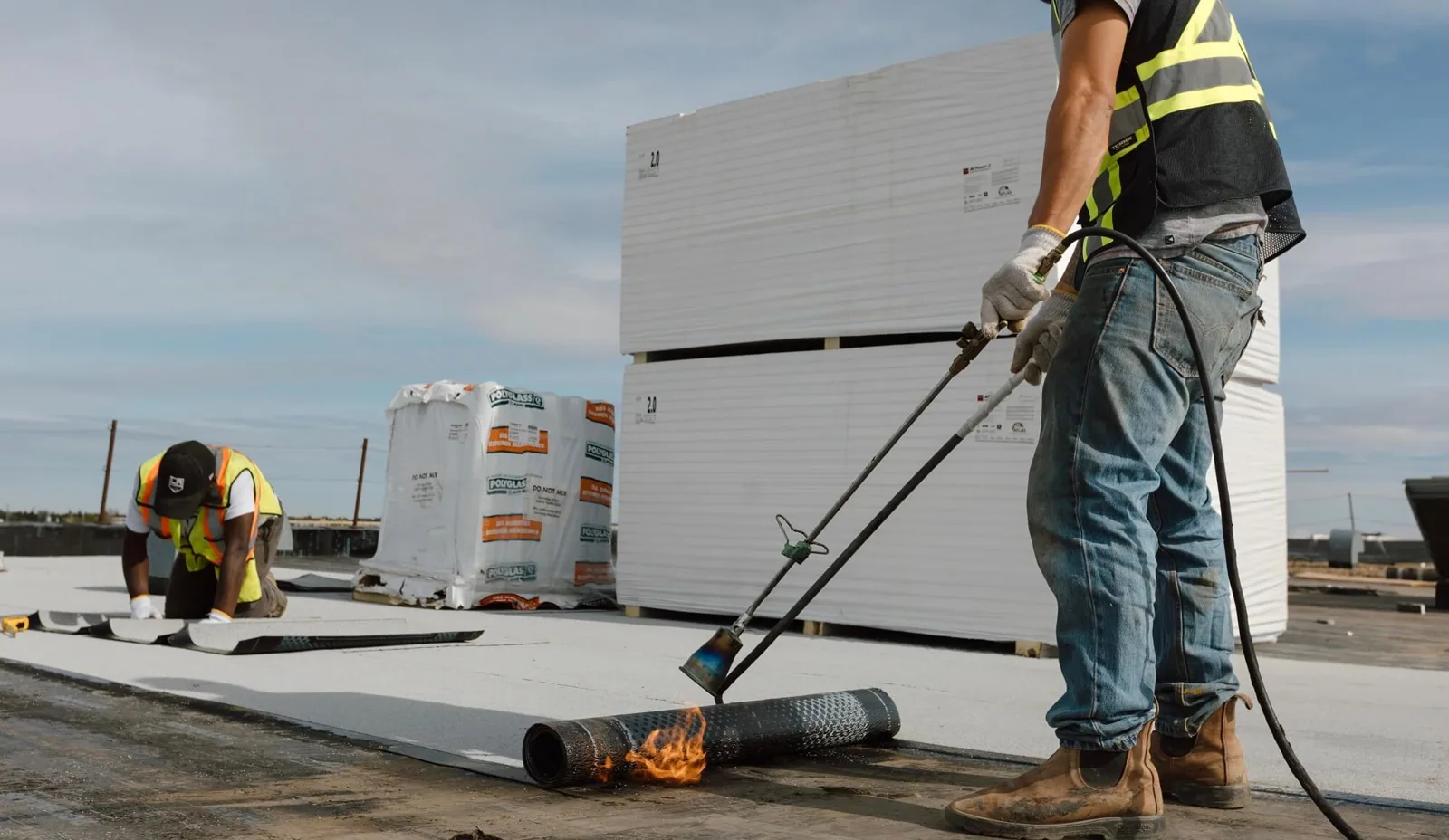
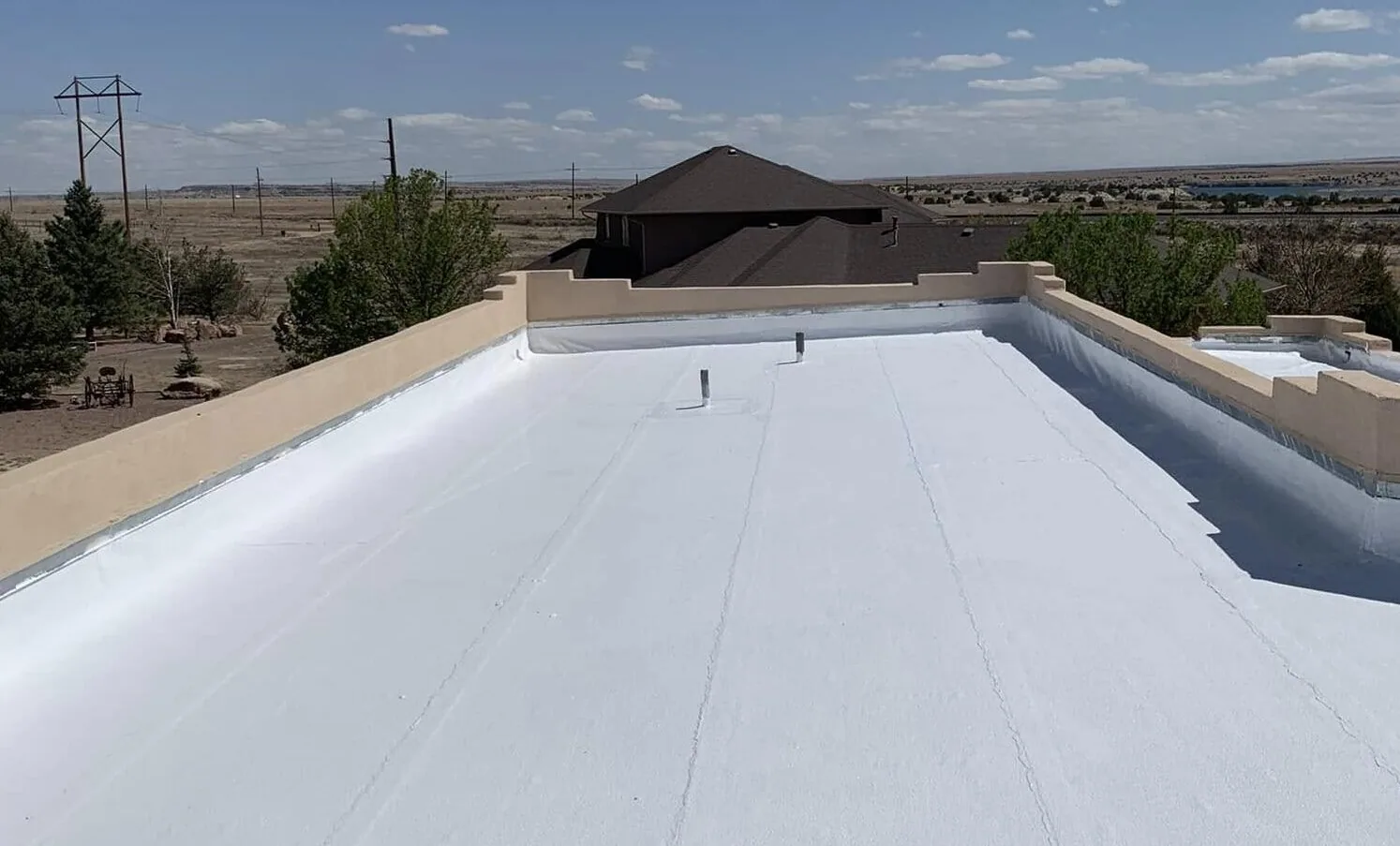
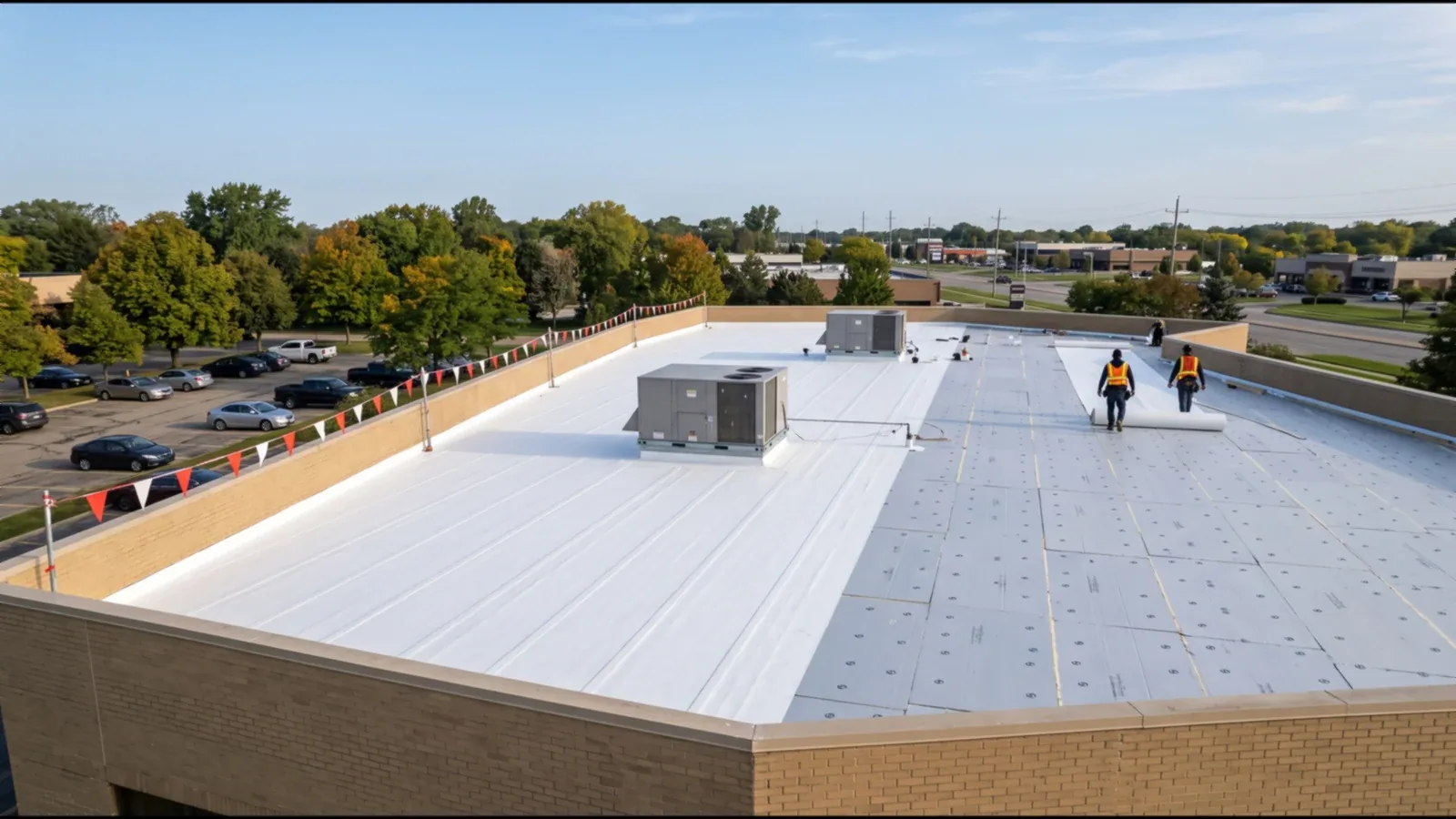
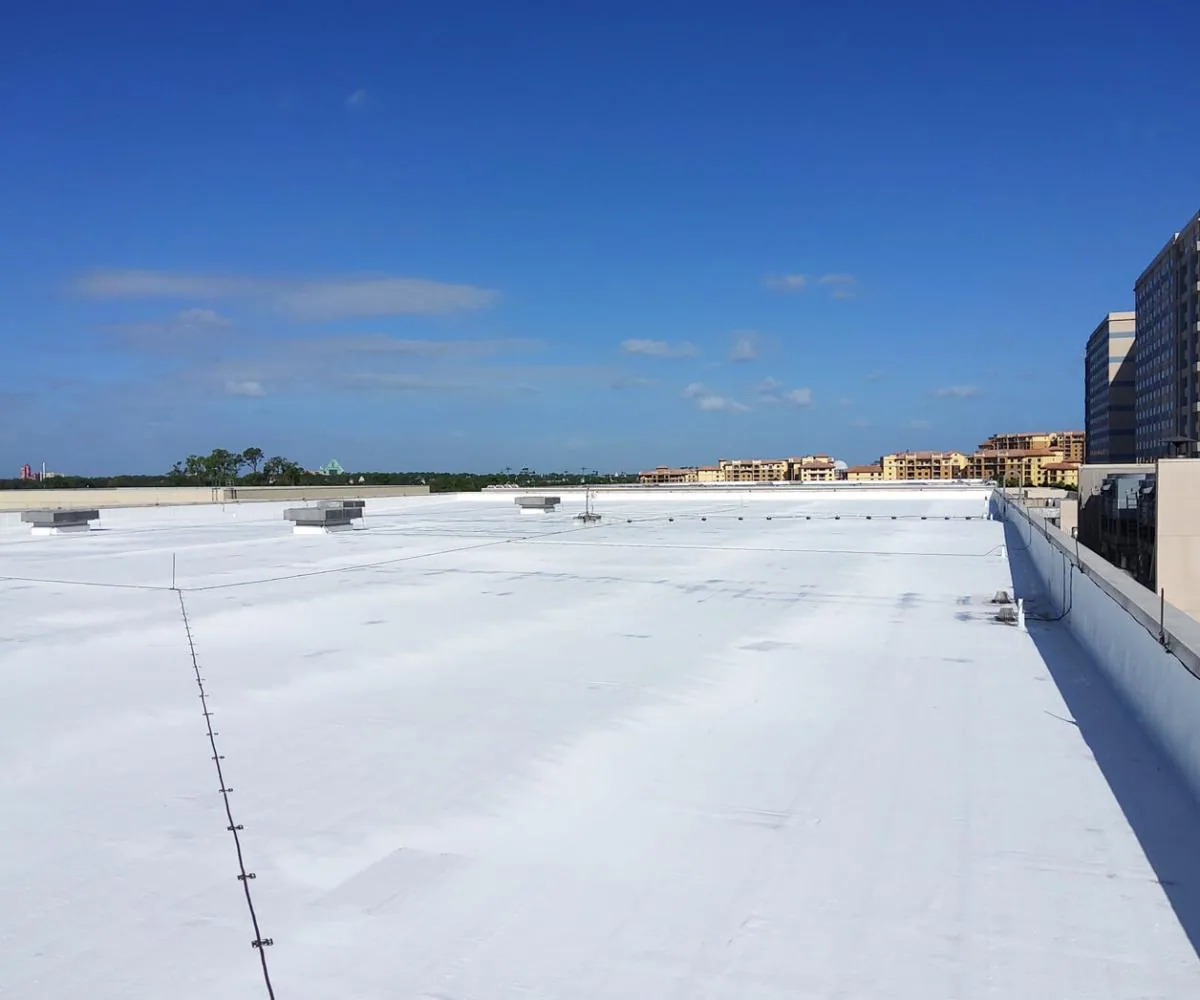
A repair is right when the membrane and the deck beneath it are sound and the failure is local. A roof recover fits when the insulation tests dry and the deck can carry another layer. A full replacement belongs where the insulation is wet across the field or the same section has failed more than once. Core cuts and moisture readings, not age alone, set that line.
Drains, edges and penetrations
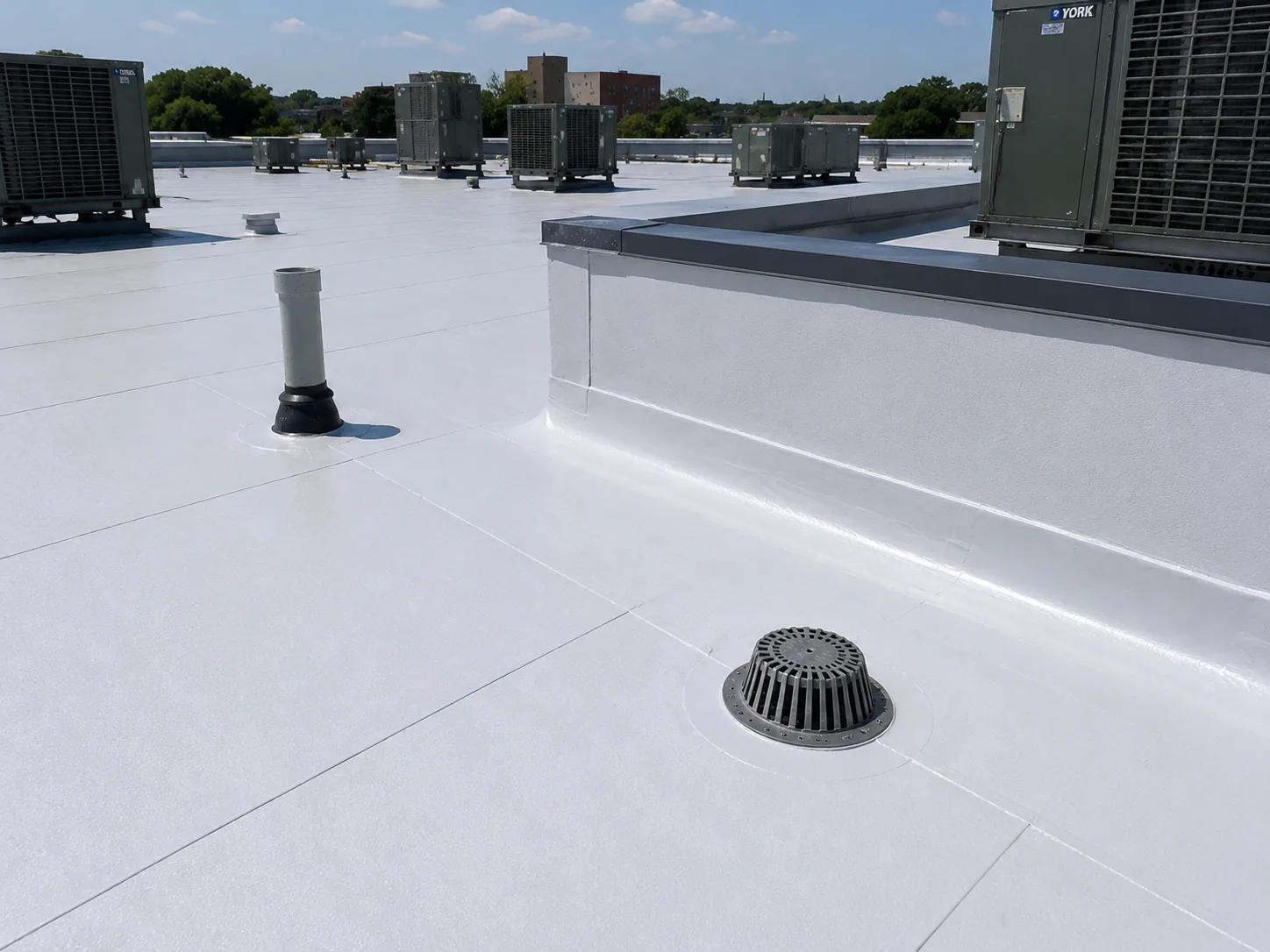
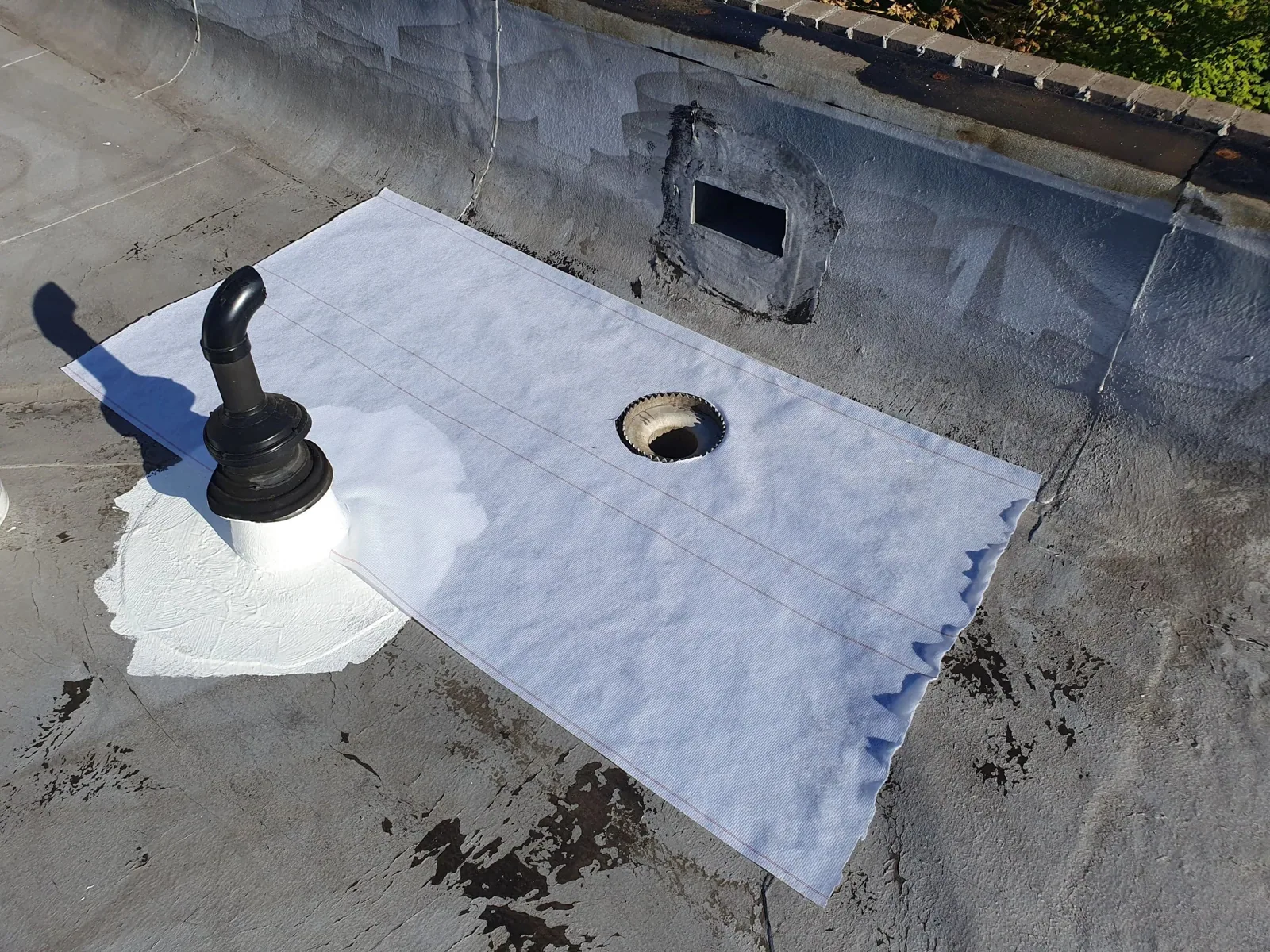
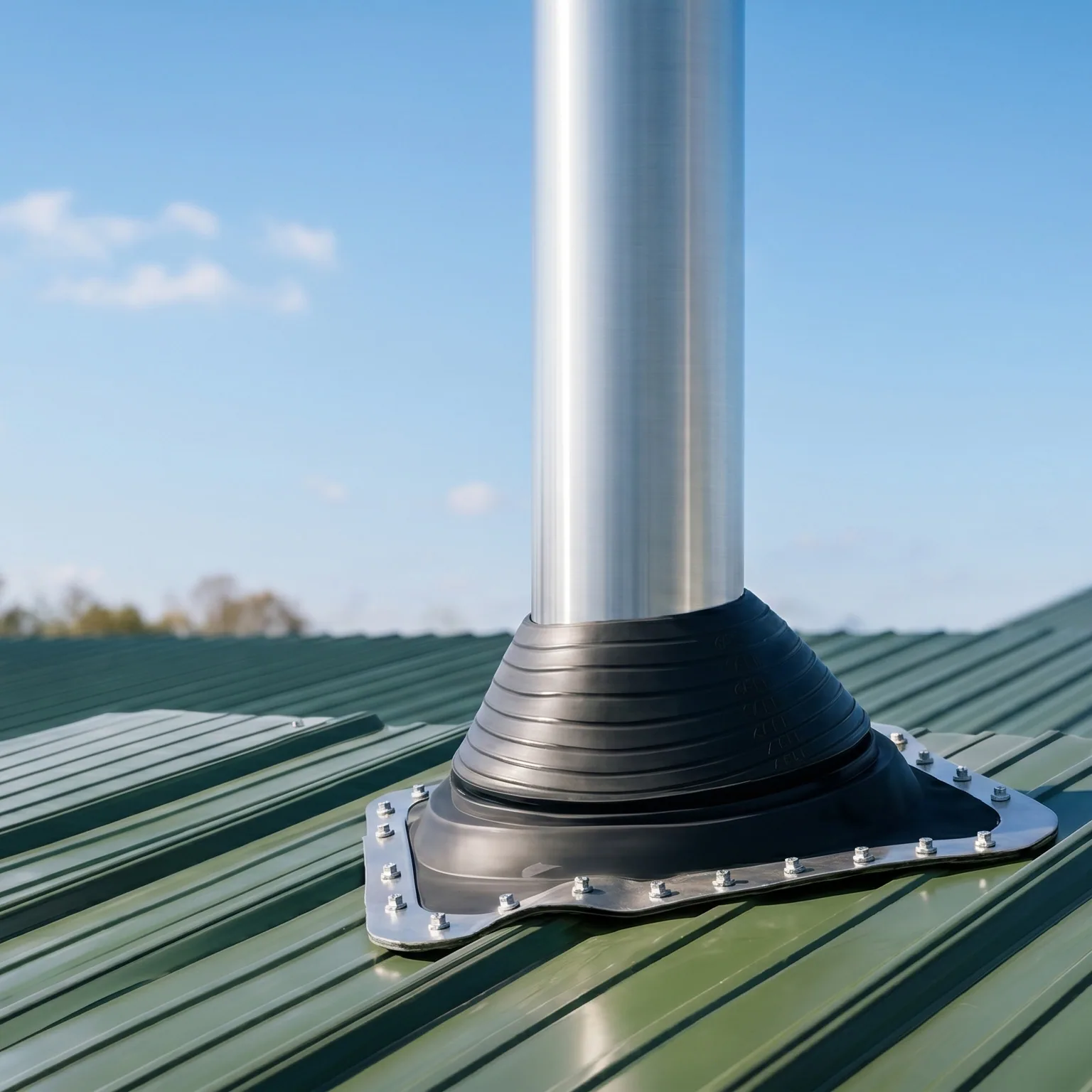
Water leaves a roof through its drains and wind enters it at its edges, so those two details get their own attention. Drain and scupper work keeps sumps clear and flow paths open, edge metal and coping work addresses the perimeter where uplift starts, and flashing at penetrations and rooftop equipment is checked on every visit.
Maintenance and planning
Owners with several buildings, such as those along McFarland Boulevard or in the Airport Industrial Park, gain the most from a repeating schedule: preventive roof maintenance twice a year, a punch list after each storm and a dated record in the building file. To begin, send the building list with whatever roof reports exist.
Commercial Roofing Questions
Which service comes first after a storm?
Making the area safe, with a tarp, a temporary seal or a cleared drain, and a photo set of the damage before any repair begins.
Do you work on occupied buildings?
Yes. Work is sequenced by roof section so tenants, deliveries and production keep running.
How do you decide between a recover and a tear-off?
Core cuts and moisture readings show whether the insulation is dry and the deck sound. Dry and sound allows a recover; wet insulation calls for tear-off.
Can one visit cover several buildings?
Yes. Send the building list and we walk the highest-risk sections first, then return a ranked condition summary.
Send the building list
Send the building list and the last roof report, and a superintendent will walk the highest-risk sections first and return a ranked condition summary.