Roof Damage Repair
A superintendent called to a damaged Tuscaloosa, AL roof traces the water back along the deck to a lifted edge, an open seam or a cracked boot before anything is patched, because the cause sets the method, the material and the question of whether the damage is local or a sign that a whole section has reached the end of its service. Wind, water, membrane wear and fire each leave a different pattern on the roof, and each gets a different first step.
More About Roof Damage Repair
Wind and tornado damage
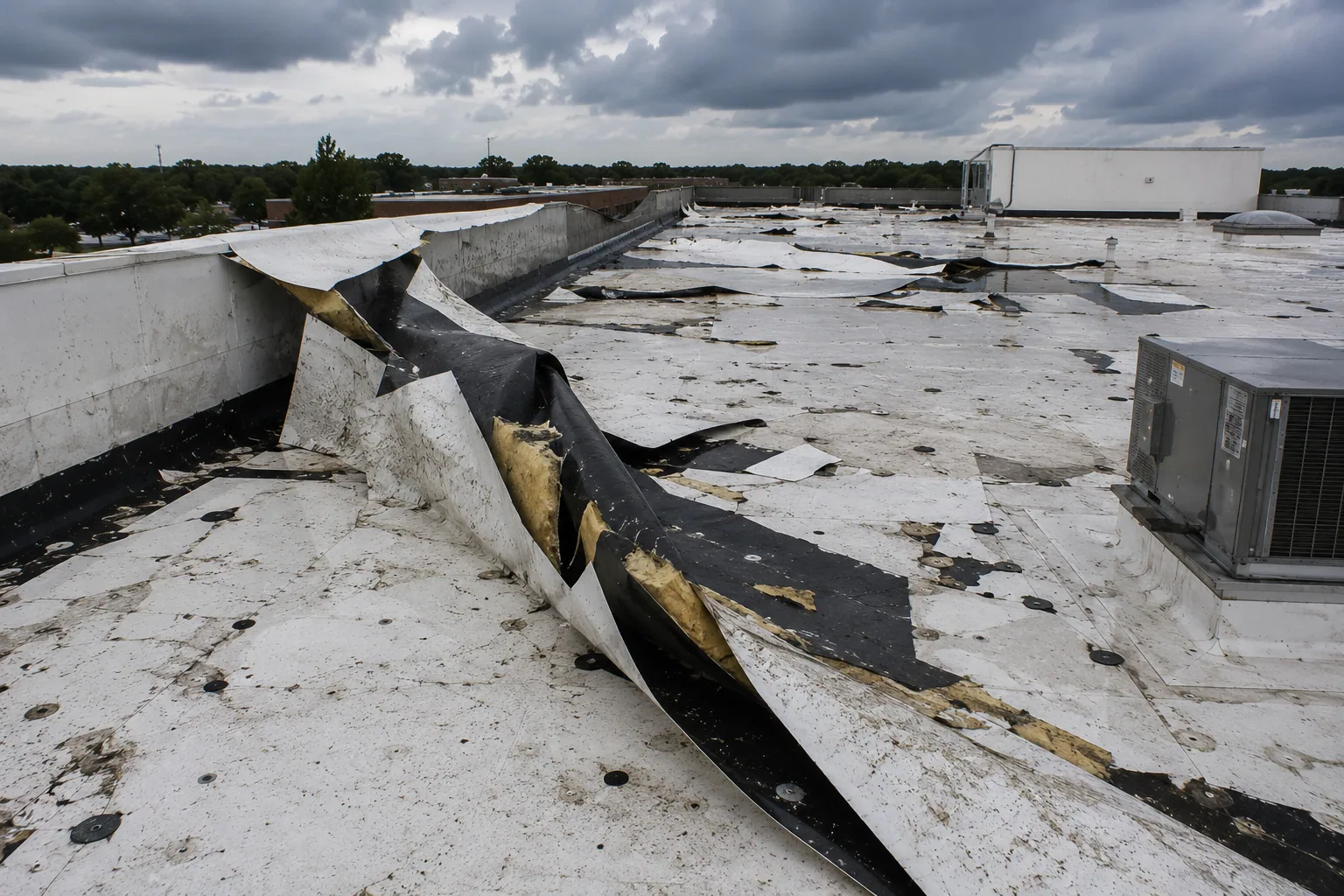
Wind is the defining load in this county. Estimated 190 mile per hour winds in the April 2011 tornado crossed 35th Street, 15th Street and McFarland Boulevard, and straight-line winds near 90 to 100 miles per hour were surveyed north of Northport in May 2025. Wind damage repair starts at the perimeter, with edge metal, coping and fastener pull tests, while tornado damage repair adds deck, structure and debris-impact checks before any new membrane goes down.
Water, ponding and flashing
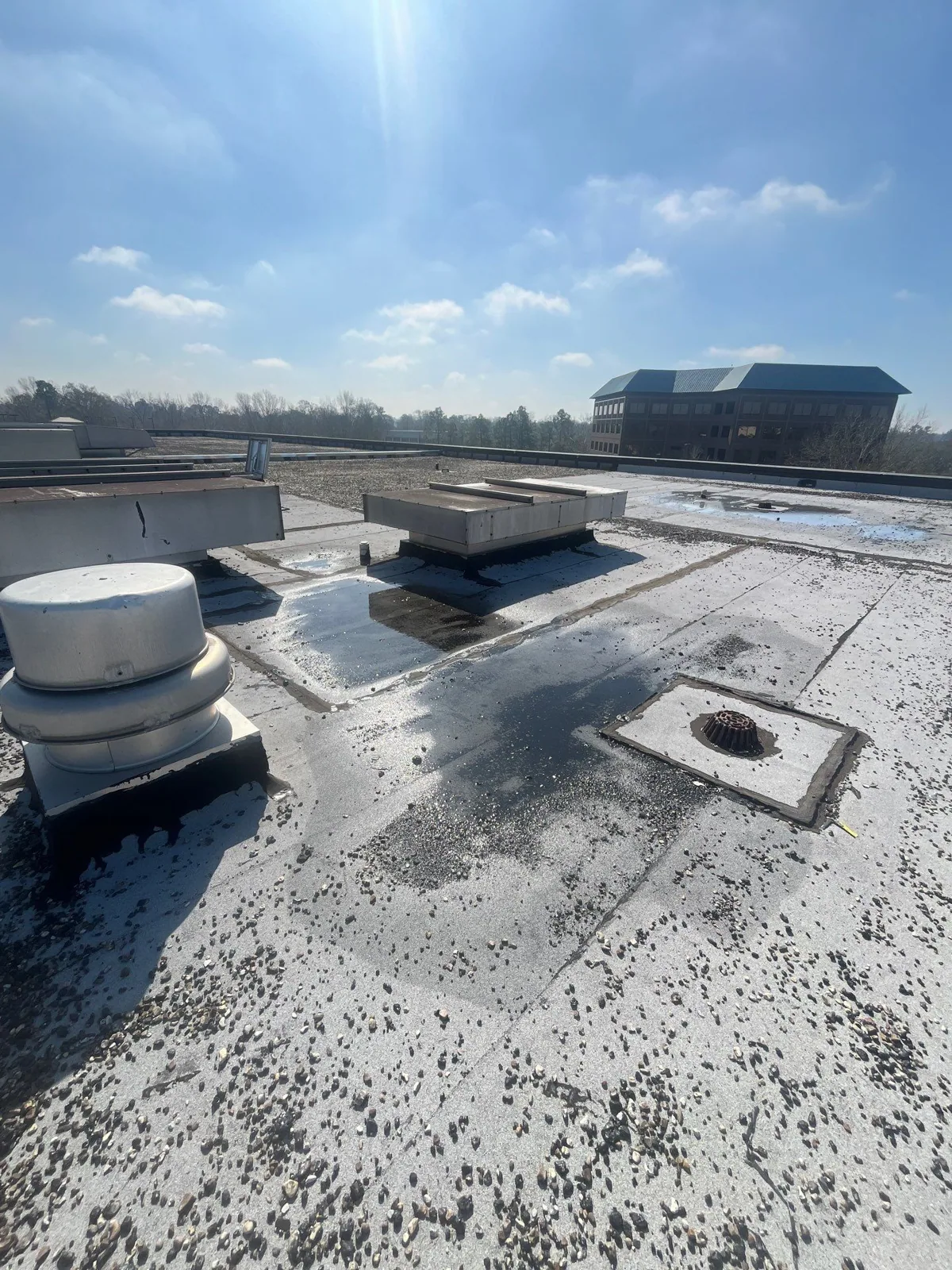
With about 53.5 inches of rain a year, water is the steady test. Ponding water repair addresses low spots, blocked sumps and tapered insulation, and flashing failure repair renews the terminations at walls, curbs and penetrations where most leaks begin. Both start with a ponding check and a leak log, so the same stretch of roof is compared before and after the storm that exposed it.
Seams, punctures and heat
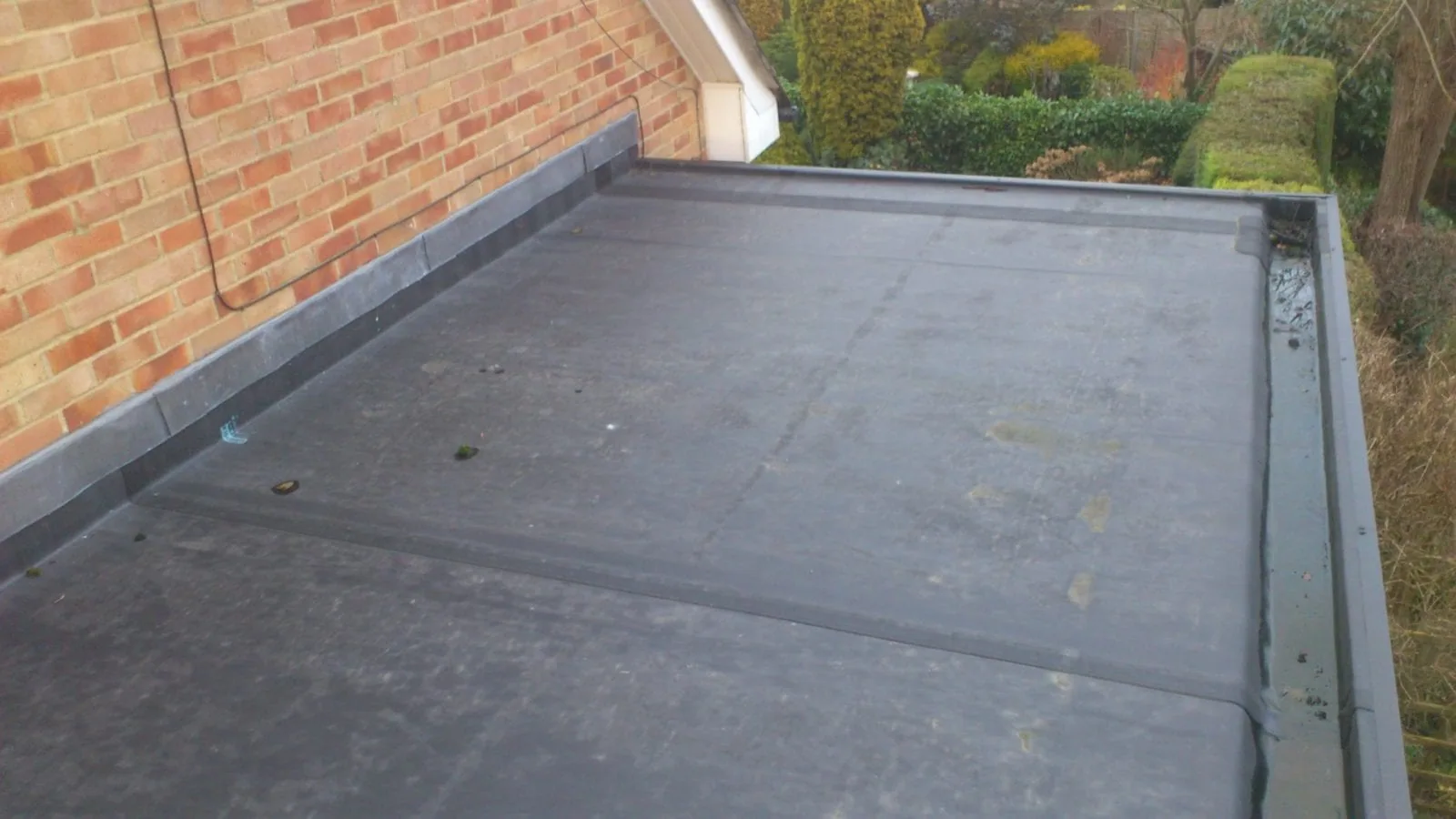
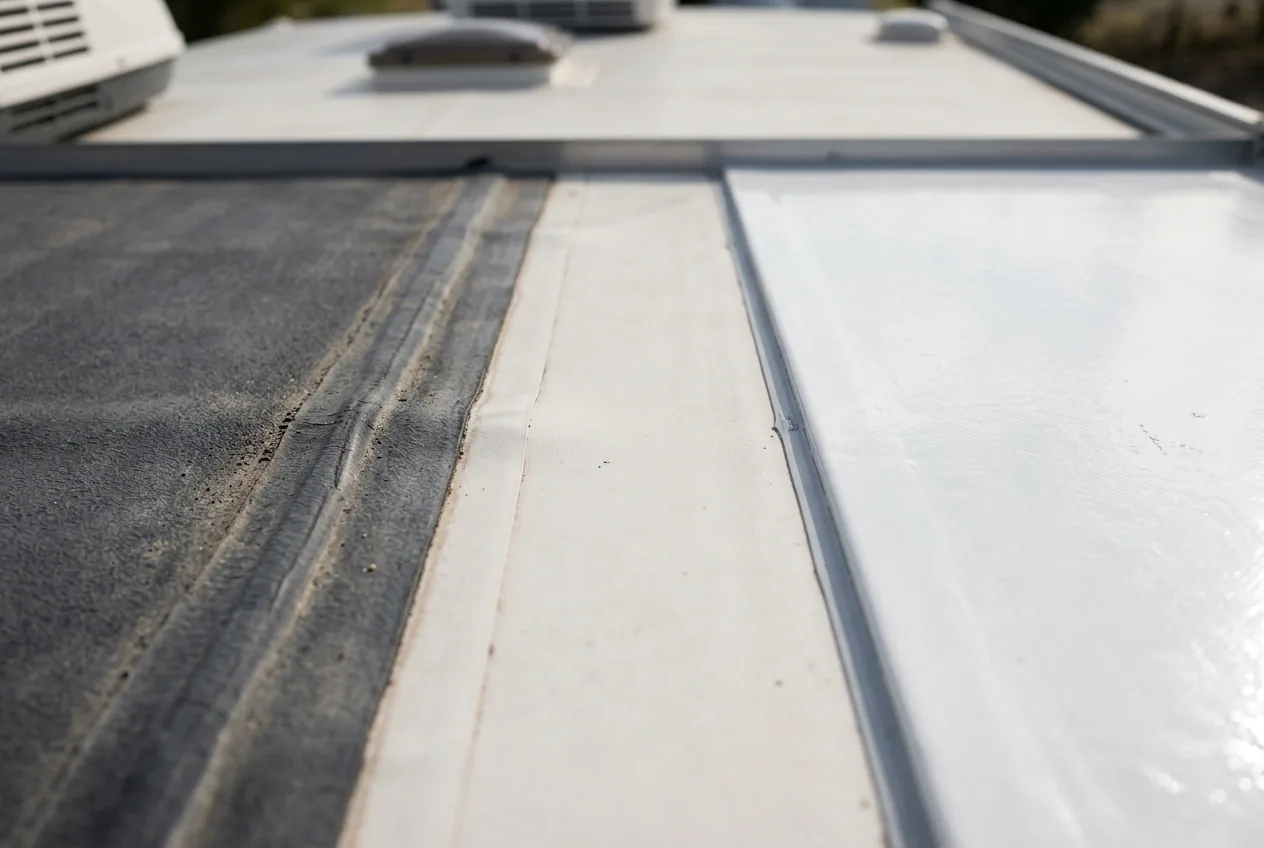
Membrane problems range from open seams to punctures from foot traffic and tool drops. A record high of 107 F adds heat and UV damage, which shows up as surface crazing, shrinkage at laps and cracked sealant around rooftop unit curbs.
Fire and smoke
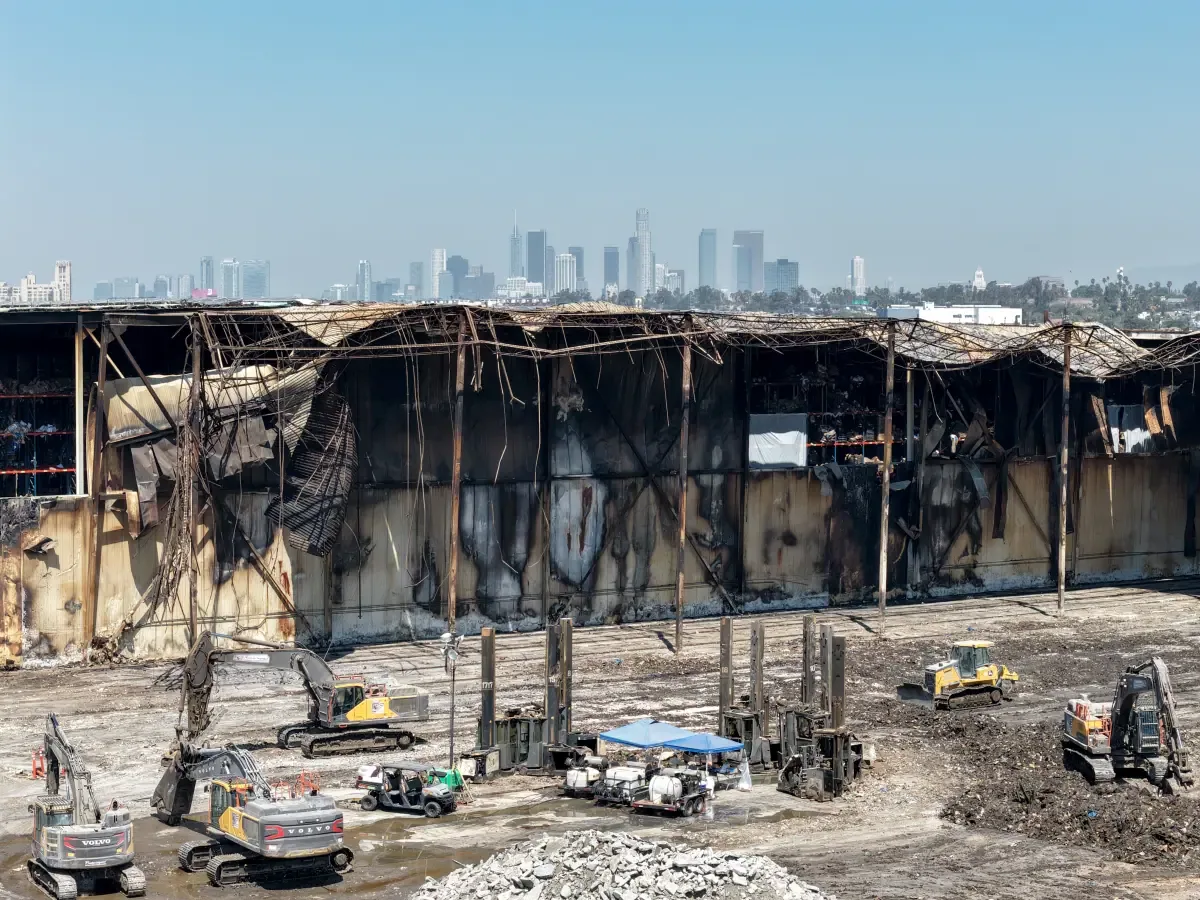
Fire damage repair includes charred decking, melted membrane and wet insulation from suppression water. Structural review comes first, followed by a section-by-section decision on what can stay, what is cut out and what is dried and tested before a new layer is installed. Smoke odor and soot are documented separately from the roof itself so the claim file shows each in its own line.
The record that follows
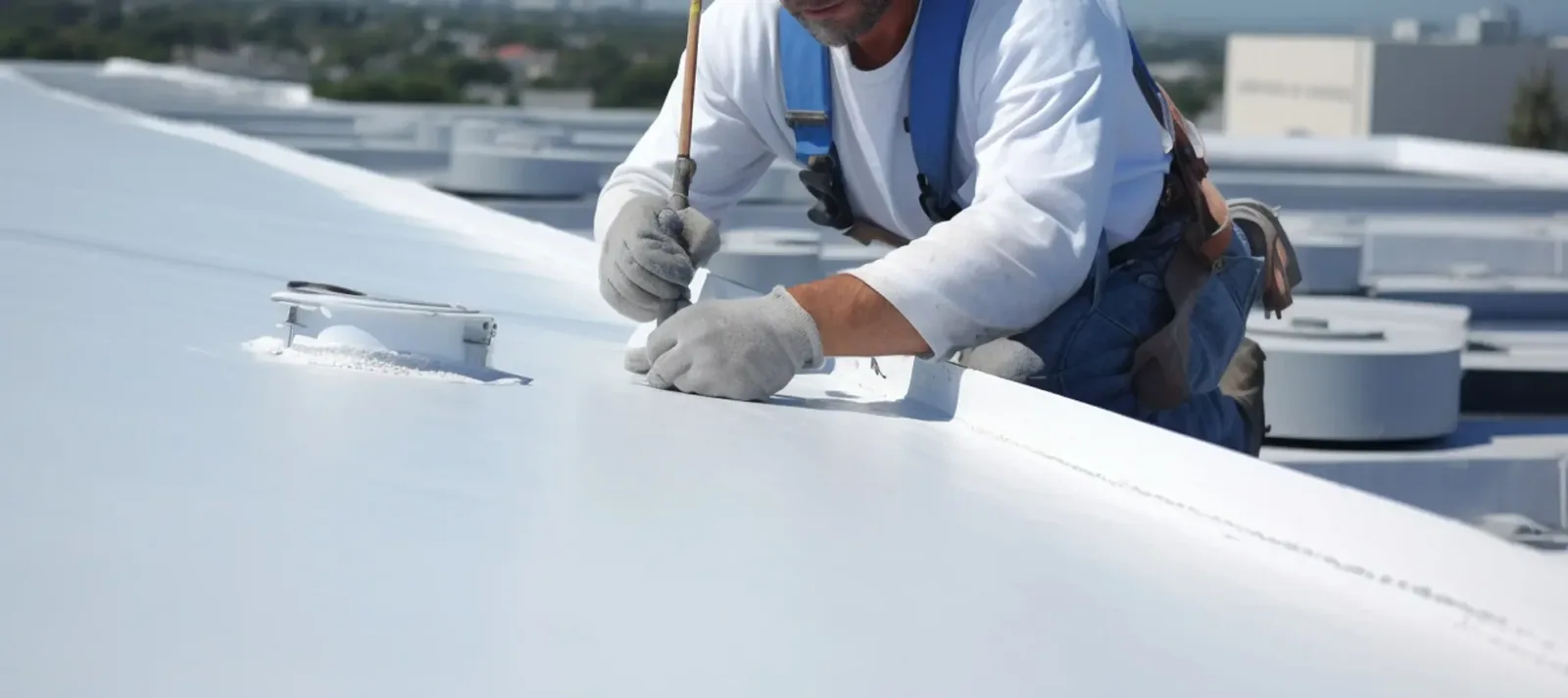
Every repair ends with a photo set, a core cut where the insulation is suspect and a written line in the building file. A building list and the latest roof report, sent to us, tell the superintendent which damaged sections to reach first.
Commercial Roofing Questions
What comes first after wind damage?
A make-safe visit, then edge metal and fastener checks around the perimeter, where uplift begins.
Can a roof with ponding be repaired without replacement?
Often. Clearing sumps, adding tapered insulation or correcting drains solves many ponding roofs if the deck and membrane are sound.
How do you document damage for insurance?
Dated photos, readings and a written scope showing the cause and extent, delivered before permanent work begins.
Is every leak a flashing problem?
No, but flashing is the usual suspect. Seams, punctures and drains are checked before the cause is named.
Send the building list
Send the building list and last roof report, and a superintendent will walk the highest-risk sections first and return a ranked condition summary.