
Roof Systems
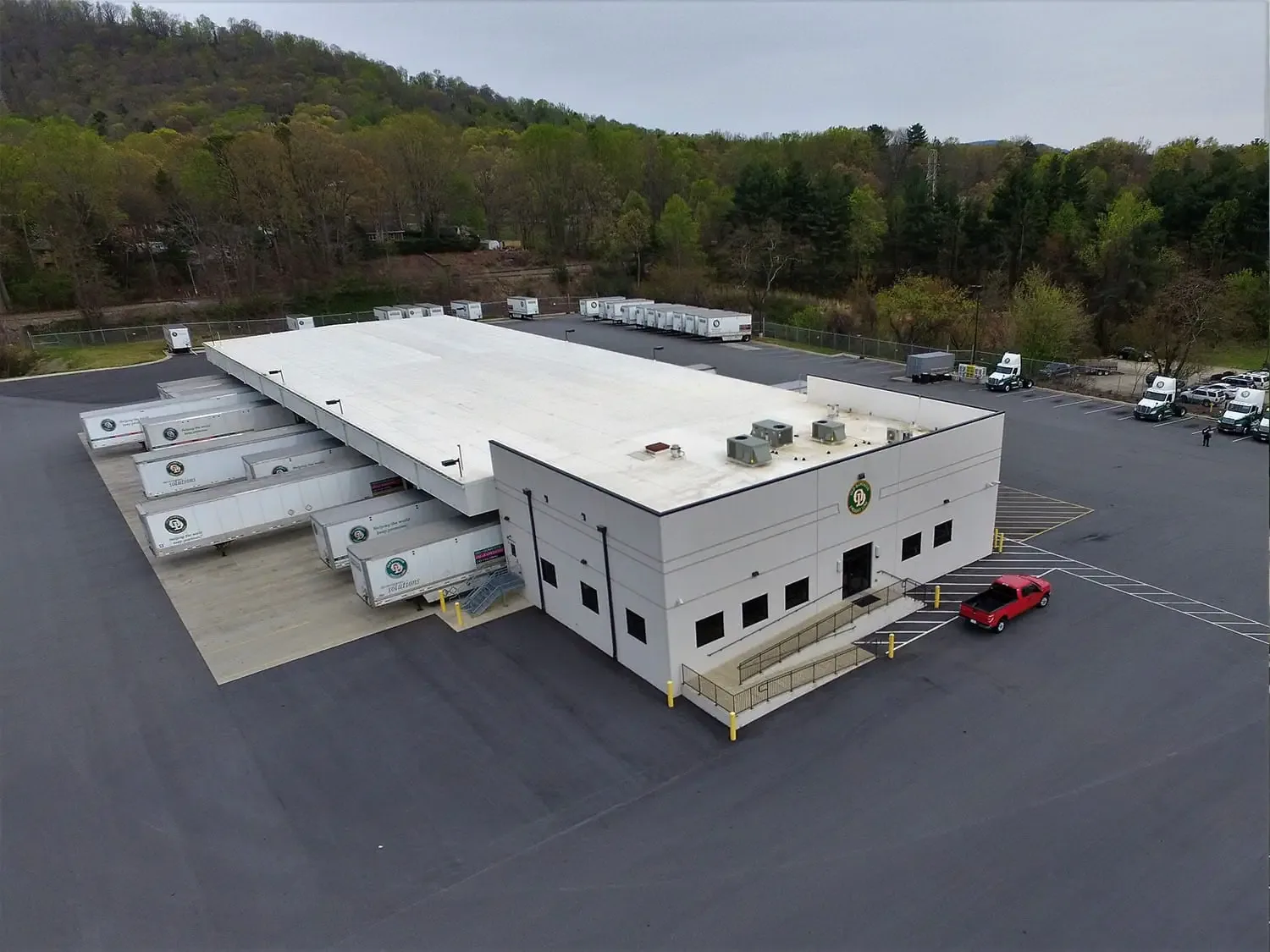
A flat roof over a Tuscaloosa, AL distribution building and a standing seam roof over a church fellowship hall are different assemblies with different failure habits, and the first job on any visit is to identify which one is under the superintendent's feet. Sheet type, attachment method, insulation and deck decide what a repair can be, so each system is judged by how it ages and how it is held down against the wind that this market is known for.
More About Roof Systems
Single-ply membranes
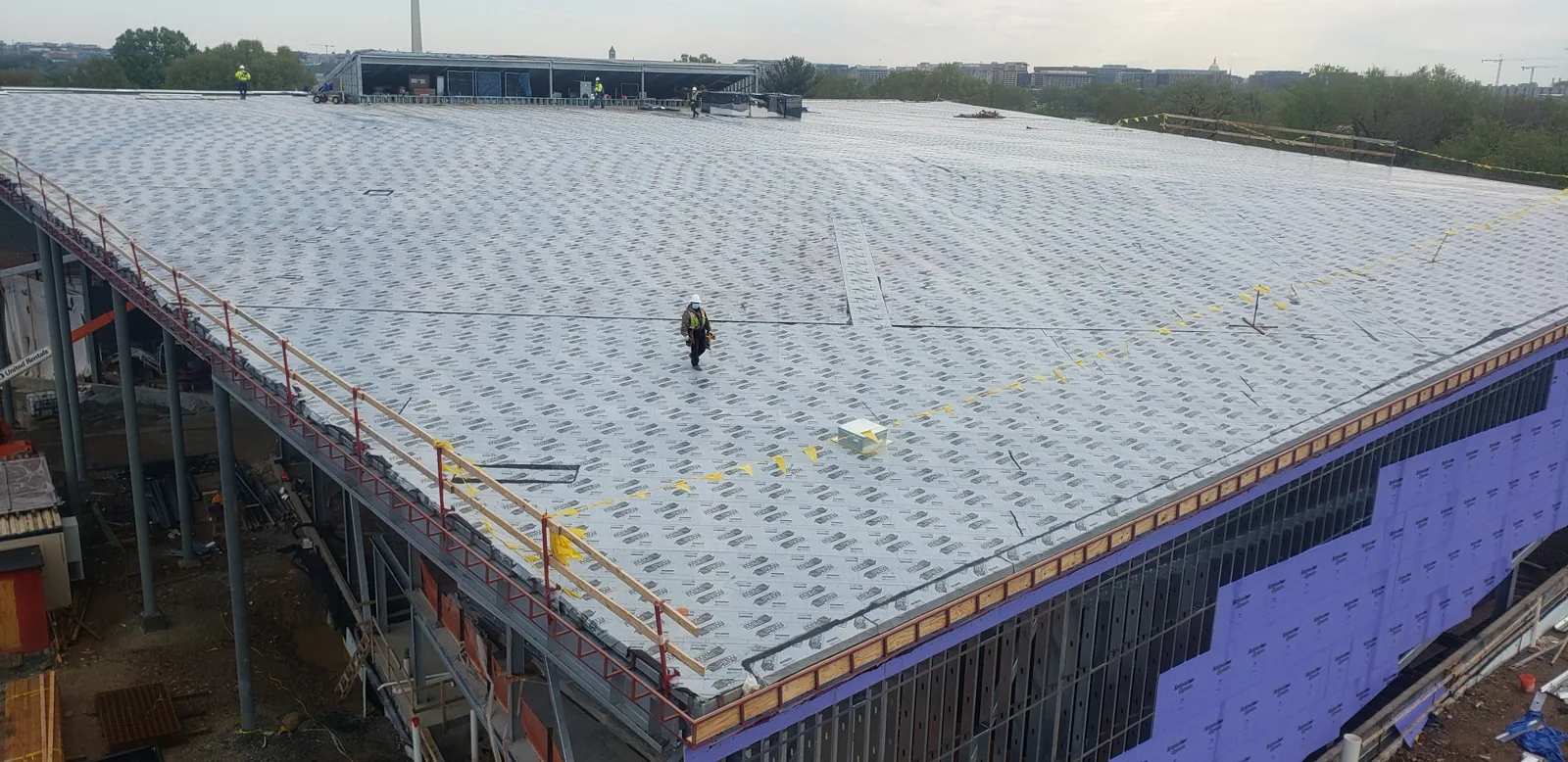
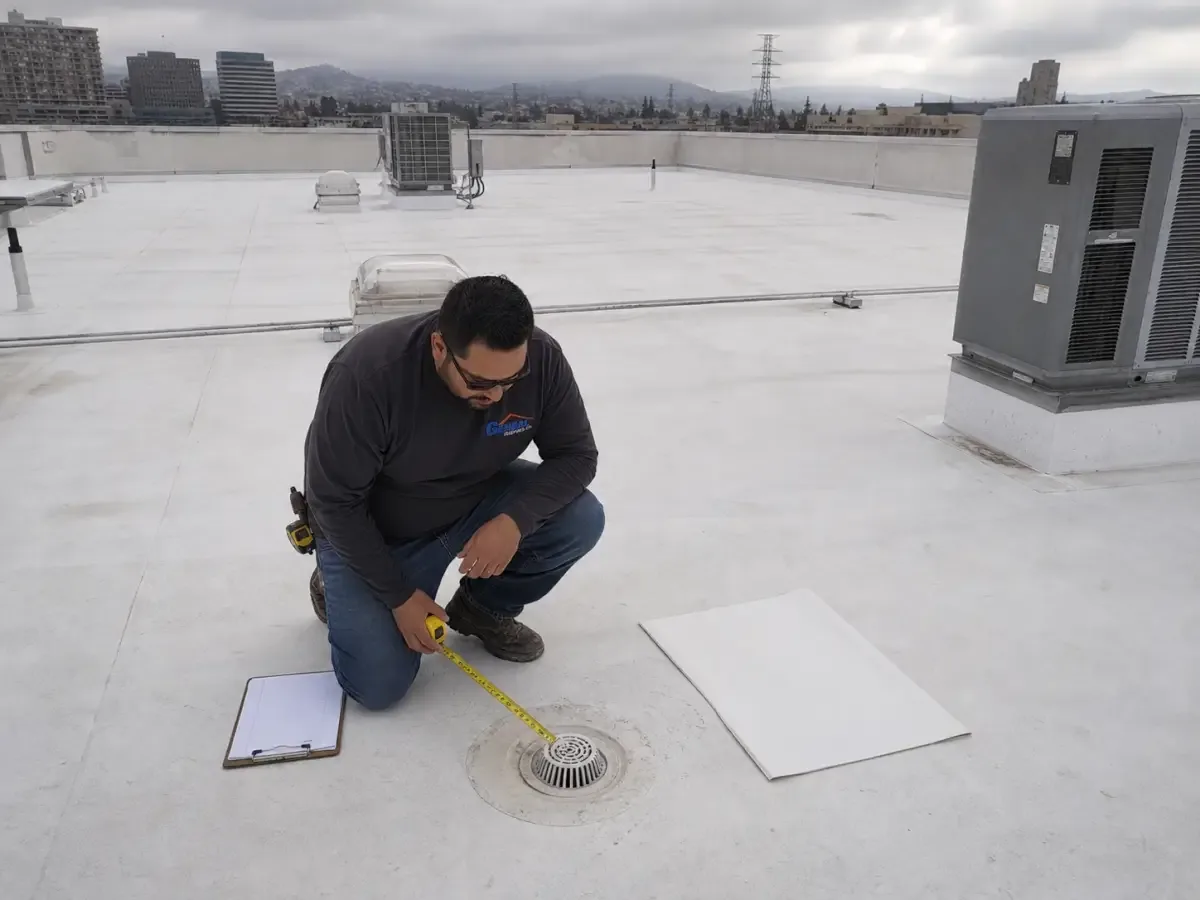
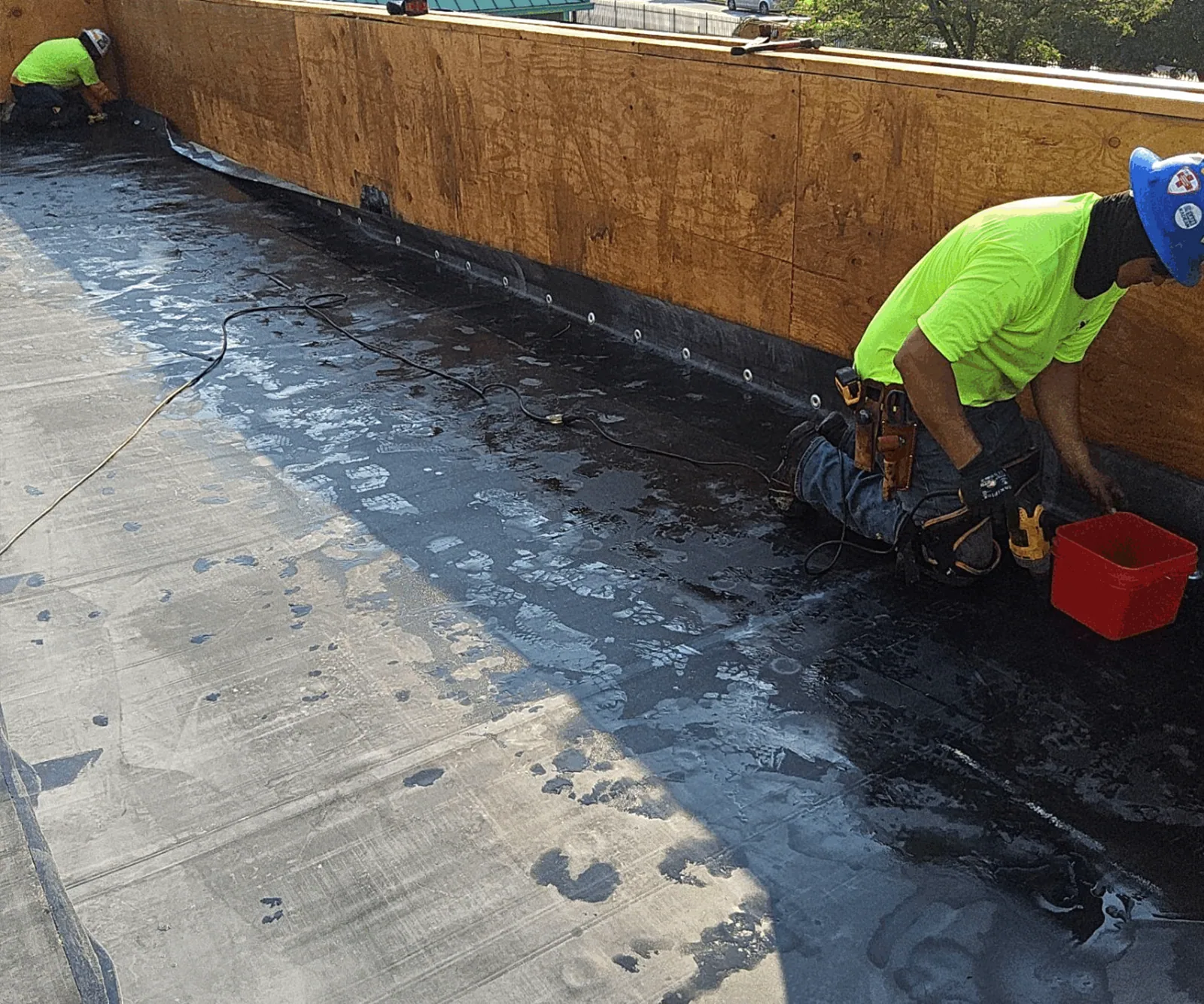
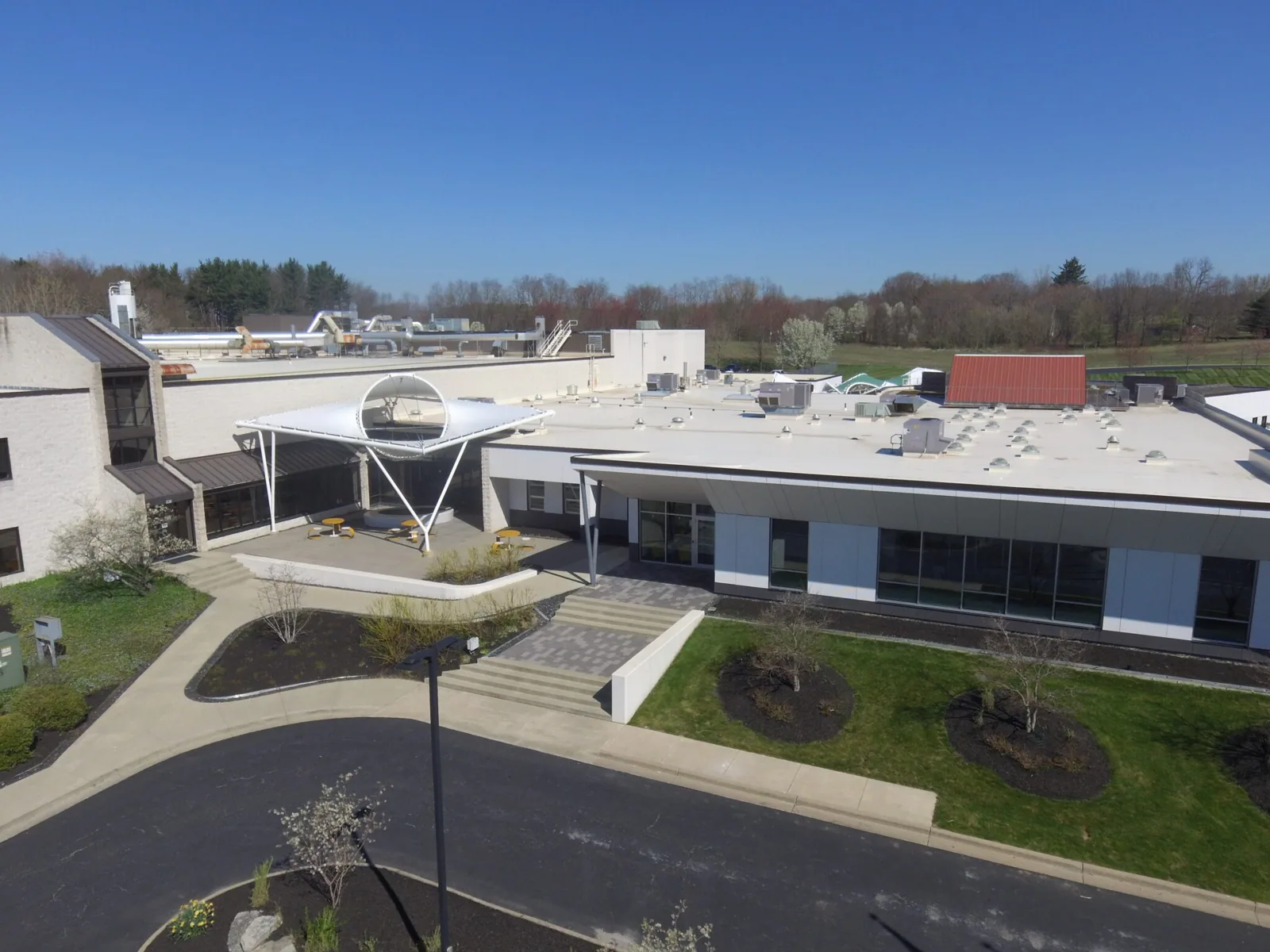
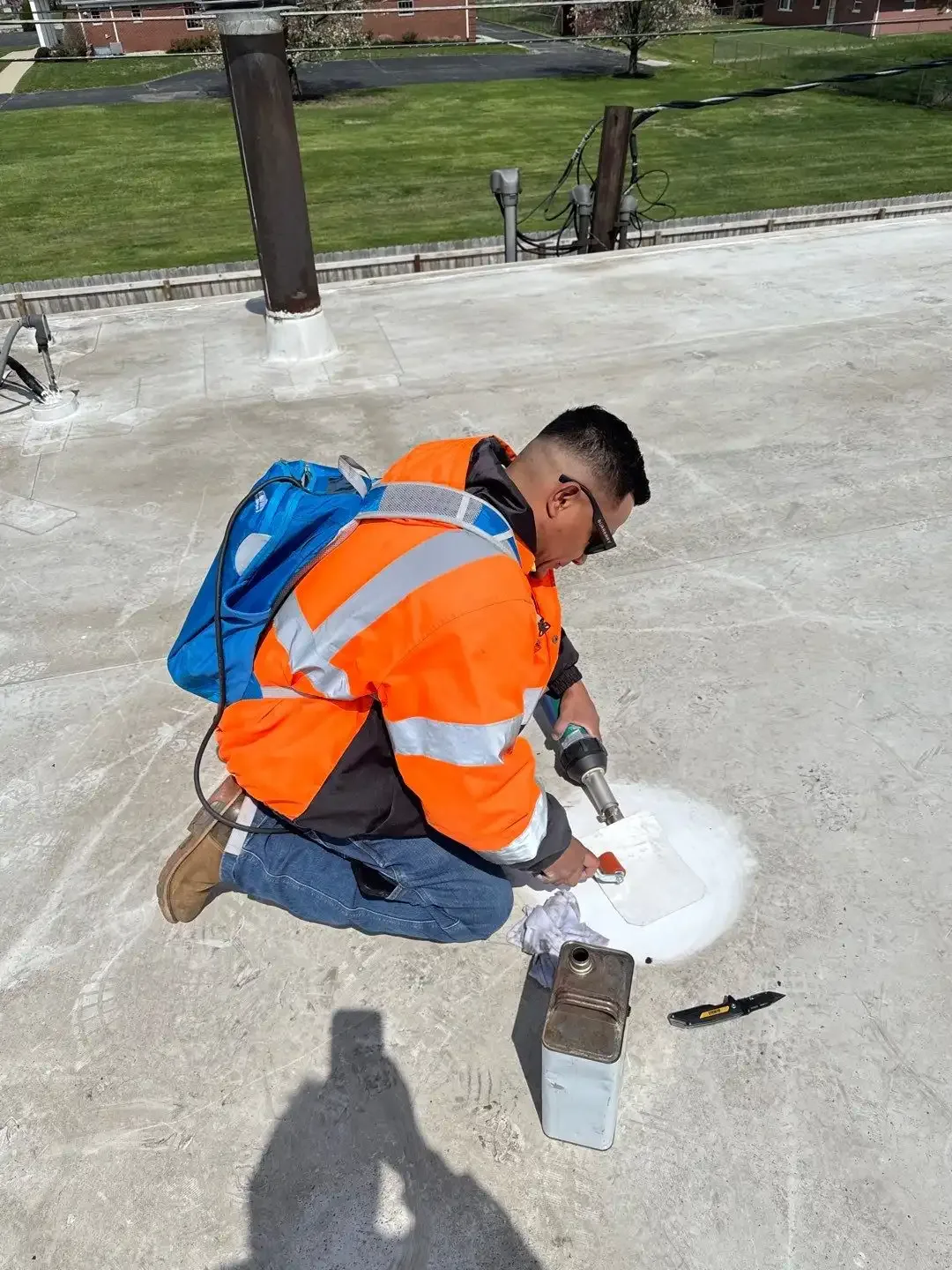
Heat-welded TPO and PVC sheets are the common choice on warehouses and retail boxes, where a reflective surface helps with a summer record high of 107 F. EPDM is a cured rubber sheet with taped or adhered laps, often found on older buildings with ballast or fully adhered attachment. The wind-uplift rating of the attachment matters as much as the sheet itself.
Layered and built-up assemblies
Modified bitumen and built-up roofing add plies of reinforced asphalt, which gives a thicker, puncture-tolerant surface for roofs with heavy rooftop traffic. Their weak points are laps, blisters and flashings, and a core cut shows how many plies remain before anyone decides between repair and tear-off.
Metal roofs and retrofits
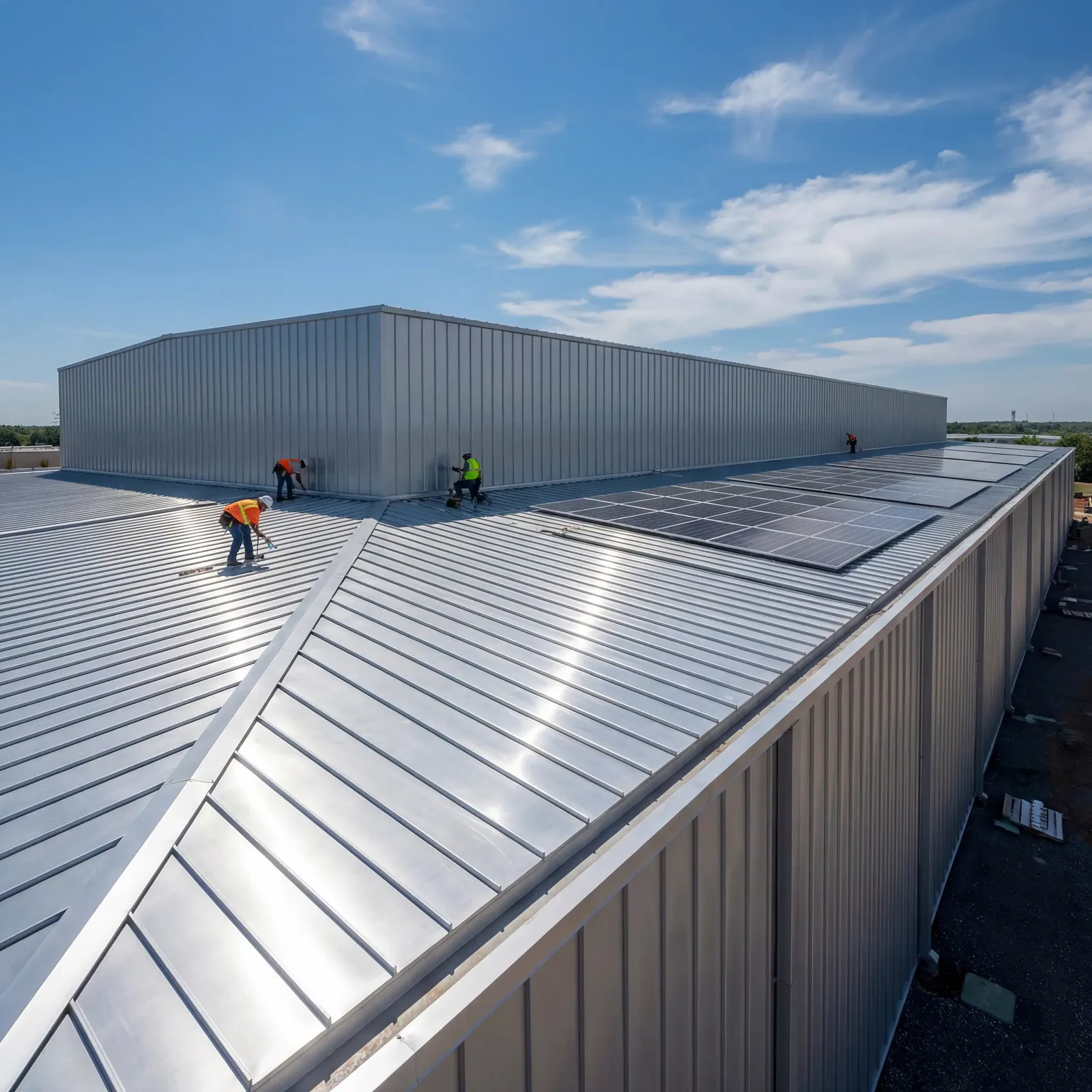
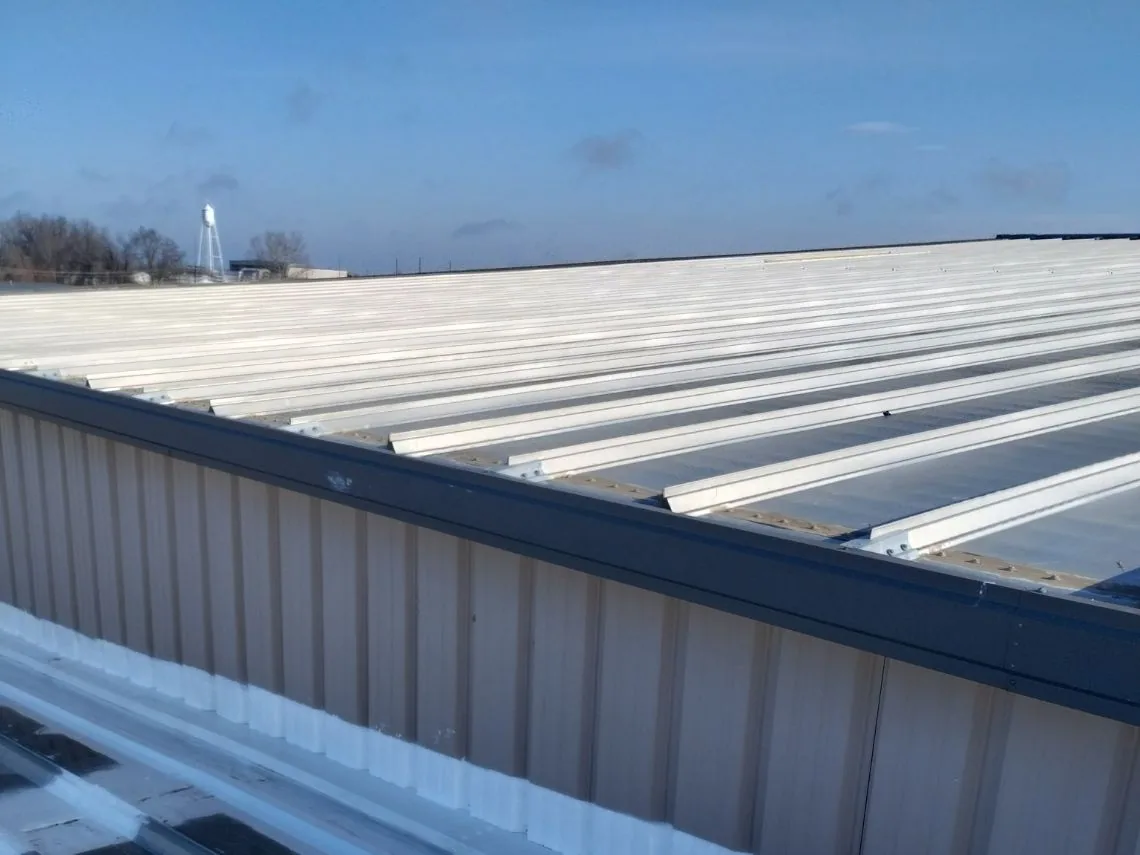
Standing seam metal sheds water quickly and ties into the structure with concealed clips, while a metal roof retrofit places new panels over an existing roof when the structure and the insulation allow it. Fastener pull tests and edge metal condition are the first items checked on any metal roof after a wind event.
Foam and coatings
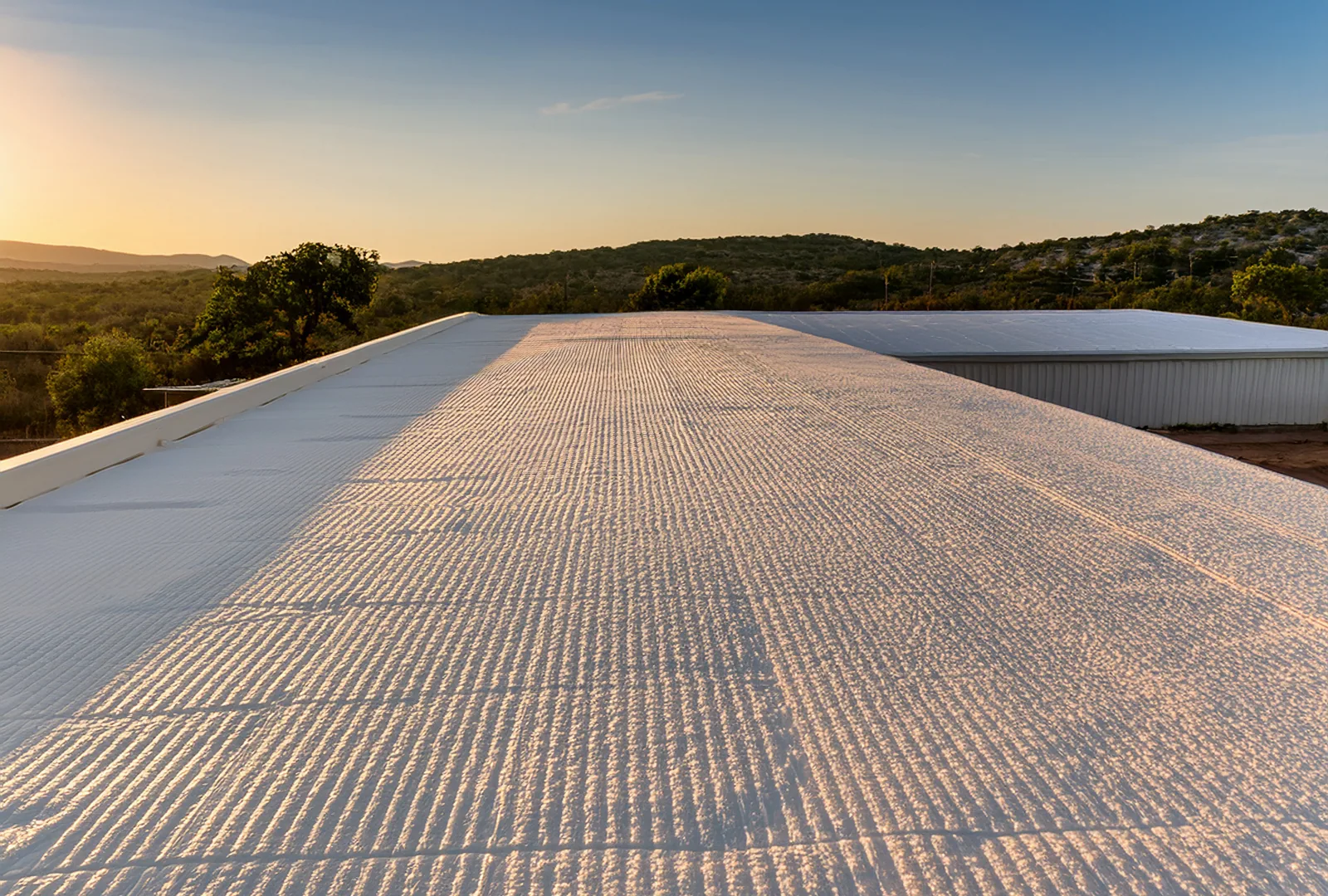
Sprayed polyurethane foam and liquid coatings suit roofs that are dry, well bonded and ready for a continuous restoration instead of a tear-off. Silicone handles ponding better than most coatings, and acrylic fits sloped, well-drained surfaces. Moisture readings and an adhesion check come before any coating is quoted, and the finished film is photographed so the building file shows what was applied and where.
How the choice is made
Rain here totals roughly 53.5 inches in a year, which puts drainage design beside the sheet choice, and the tornado that crossed 35th Street and McFarland Boulevard in 2011 left wind-uplift questions on every roof that came after it. Owners of the Cedar Cove Technology Park supplier plants and the University Boulevard retail strips can send the roof reports they hold to start a comparison.
Commercial Roofing Questions
Which system holds up best in Tuscaloosa wind?
The attachment pattern and edge metal matter more than the sheet name. A well-fastened roof with a tested perimeter outperforms a stronger sheet with weak edges.
Can a coating replace a new roof?
Only on a dry, bonded roof with sound seams. Wet insulation or failing laps rule it out.
Do you identify the existing system before quoting?
Yes. Core cuts, seam probes and moisture readings confirm the layers before any repair or replacement is priced.
Is metal always the longest-lasting choice?
Not by default. Panel gauge, fastener type and edge details set service life, and each needs a field check.
Send the roof reports you hold
Send the building list and last roof report, and a superintendent will walk the highest-risk sections first and return a ranked condition summary.