
Warehouse Roofing in Tuscaloosa, AL
A single-ply or modified bitumen membrane over a steel deck is the roof most Tuscaloosa warehouse superintendents expect to find, and the first thing we check on it is not the surface but the deck condition and the drain sumps, because a long, flat roof hides its trouble at the seams and low points long before a stain shows on the dock side. Warehouse roofs in Tuscaloosa, AL are repaired, recovered and replaced by our crews, and each walk closes with roof sections ranked in a list an asset manager can carry on the books without translation.
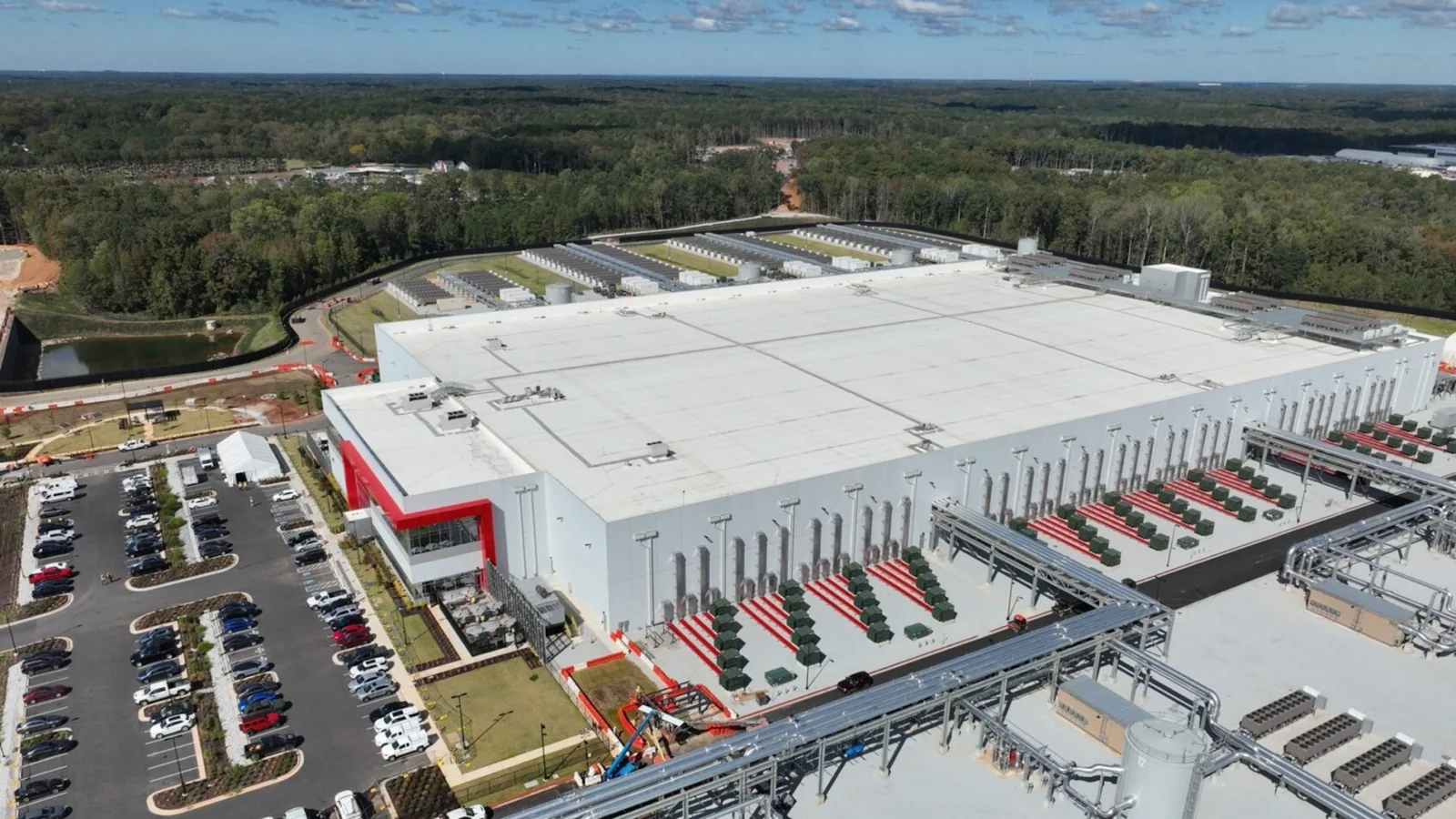
What Sits on a Warehouse Roof
The common warehouse assembly is a steel deck, rigid insulation, a cover board on some roofs and a membrane that is fastened, adhered or ballasted. The roof is wide and mostly open, which keeps penetrations few, but those few matter: exhaust fans, skylights, roof hatches, a handful of rooftop unit curbs and the pipe boots serving a break room or office corner. Each is a place where a flashing can split.
Warehouses also have more edge per square foot than people expect, because a long building means long runs of edge metal, and a loading dock side often carries a canopy or a scupper line. We list those details on the roof plan by section, so a manager can see where the work concentrates and which sections can wait for the next capital year.
Other industrial buildings share the assembly but differ in what hangs on the roof. A distribution center adds high dock counts and heavier rooftop equipment, and a cold storage building adds a vapor control concern that a dry warehouse does not have.
Findings Up There
Ponding near drain sumps is the first and most frequent finding. Water that stands for more than a day after rain adds weight and speeds the aging of membrane seams, and Tuscaloosa gets about 53.5 inches of precipitation in a year. We also find fastener pull-out where the deck has corroded, wrinkled membrane at the first row of plates, and cracked sealant at penetration flashing.
Foot traffic shows up too. Service technicians reach rooftop units by the same route every visit, and a worn path marks where the membrane is thinning. A fastener pull test on a few spots tells us whether the attachment still holds, and a core cut where the insulation feels soft tells us whether moisture has spread. Both go into the report with photographs and a section number.
Drainage hardware needs its own look. A drain sump with a cracked clamping ring, a scupper with a collapsed throat or a gutter pulling away from the wall will each send water where the roof was not built to take it. Our drain and scupper repair work resets or replaces those parts, and the new work is photographed beside the old for the file.
Wind Uplift and Edge Metal
The April 27, 2011 EF4 tornado carried estimated winds of 190 mph and crossed 35th Street, destroying warehouses in the industrial area. That is the history in the ground in Tuscaloosa, and it is why an asset manager should know the wind-uplift rating and edge metal condition of every roof section before a storm. A May 2025 survey also found 90 to 100 mph straight-line winds in Tuscaloosa County north of Northport.
Wind starts at the perimeter and corners. We check edge metal for loose fasteners, open joints and bent flanges, and we look at the first few feet of the membrane for flutter marks. Where the evidence calls for it, we add fasteners, replace edge metal or change the attachment pattern, and the scope version records what was done. A wind damage roof repair after a storm starts from the same record.
Warehouse Settings Around Tuscaloosa
Industrial buildings cluster in a few places, and each carries its own context. The Airport Industrial Park lies off Robert Cardinal Road, WATCO rail serves it and the interstates are 4.5 miles off, so rail and truck traffic shape how material reaches a roof. Cedar Cove Technology Park, 950 acres at Progress Drive and Ed Stephens Road, is a mile from I-59, while Vance, 19 miles east of downtown, holds the 1,000-acre Mercedes-Benz plant.
A roof planner in those places should expect truck access, dock activity and large open fields. A survey of one building often sets the template for a group of neighbors, and the portfolio sequence follows from the ranked findings rather than from the address.
What to Carry on the Books
For an asset manager, a warehouse roof is a depreciating component with a replacement date that moves with its condition. We give each section a rating, an estimate of remaining service in years as a range and a short list of repairs that would extend it. That lets a manager decide whether to repair this year, recover next year or plan a tear-off, and it supports a reserve with evidence instead of a guess.
Our roof capital planning work puts those ranges on a timeline across the portfolio. A building in the Tuscaloosa Airport Industrial Park and one in the 35th Street industrial area can sit on one sheet, with the sections at greatest risk ranked first.
Scope and Sequence on an Operating Building
Warehouse roofing works around operations. We agree on dock traffic, staging areas, crane position and fire lanes before the first day, and we divide the roof into sections that can be closed each afternoon. A recover over a dry roof reduces disruption, and a commercial roof inspection with cores and moisture scans confirms whether that option is open. If insulation is wet, tear-off is the scope.
Before pricing, the local building department confirms insulation and wind requirements. The owner gets the final record from a punch list and a warranty walk: what went in, and what still needs watching.
Heat limits the day. Tuscaloosa's record high is 107 F, and on a roof in July the surface can run far hotter than the air, which softens adhesives and shortens safe working hours for the crew. We start early, stage material in shade and schedule membrane work for the cooler part of the day, and that planning goes into the scope version beside the weather limits for sealants.
Commercial Roofing Questions
How long does a warehouse roof last in Tuscaloosa?
Service life depends on the membrane, installation, drainage and maintenance. Each section is rated from what we see on it, and the answer comes as a range in years, which an asset manager can use better than one number.
Can a warehouse stay in operation during a reroof?
Yes. We plan dock access, staging and fire lanes with the site manager and close sections each day. Interior protection goes in under openings.
What does a core cut show?
It shows the layers, the insulation thickness and whether any layer is wet or crushed. The moisture reading marks where a recover would trap water.
Is ponding a repair or a design issue?
It can be either. A clogged drain is a repair, while a low area in the deck needs tapered insulation or an added drain. We identify which one it is.
What should an asset manager ask for after a storm?
A dated walk of each section, photographs of edge metal and seams, and a written list of damage and temporary protection. Those records support repair decisions and any claim.