Commercial Roofing in Echola, AL
The roof over a small public-facing building has to stay dry through every business day, because a stained ceiling over a counter is visible to everyone who walks in. Echola, AL, is about 15.8 miles northwest of Tuscaloosa and has its own post office and ZIP code, 35457. A post office is the kind of public building a small community holds, and it points to the type of roof we plan for: a modest roof over an occupied building that cannot close for a repair.
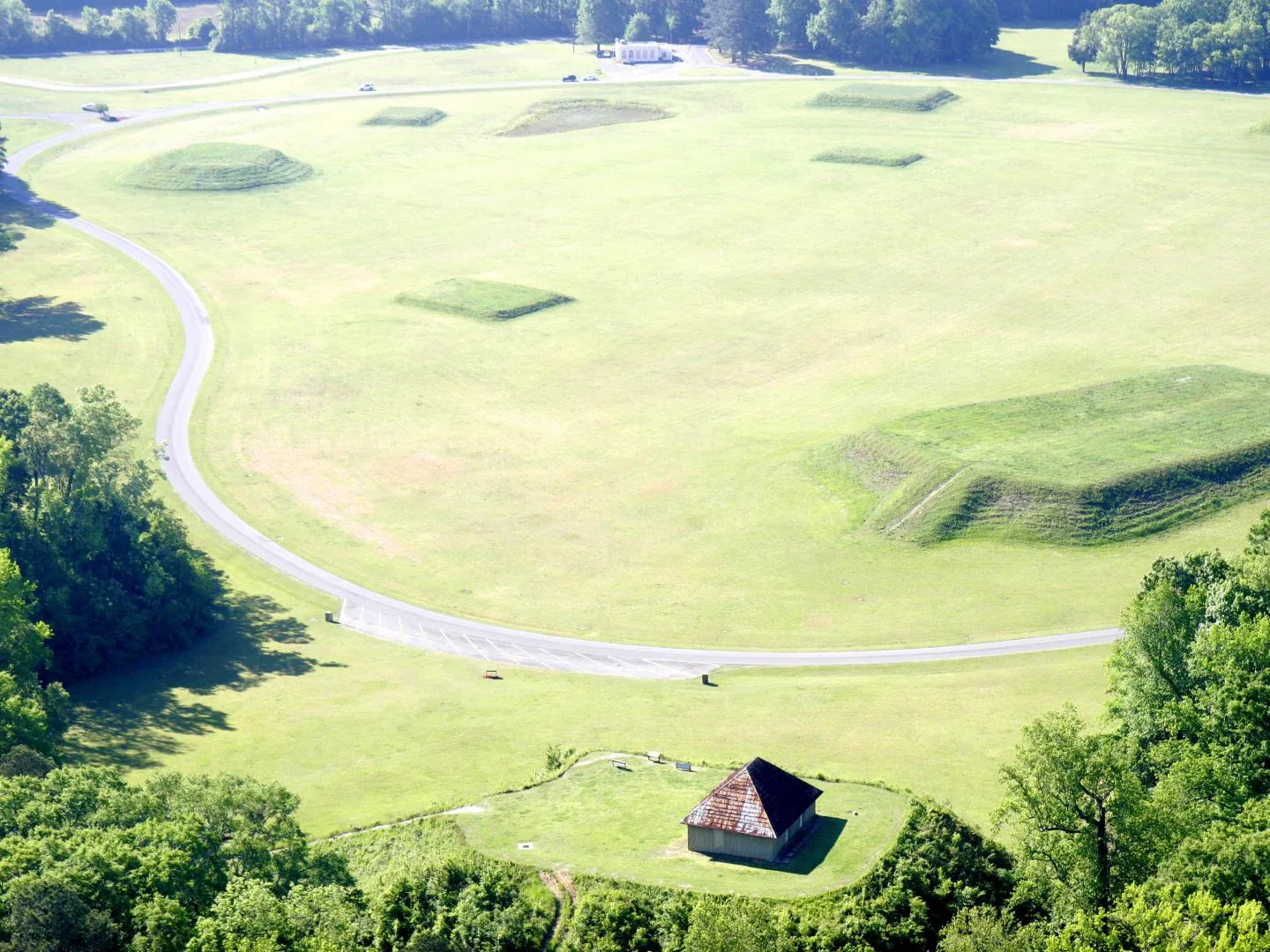
Echola is in Tuscaloosa County, crossed by US 43 and US 11. A commercial roof inspection there identifies the roof system, the deck and every penetration, and orders the sections by what each needs. The asset manager receives a list with photographs, core results and costs, then decides what to repair now, what to watch and what to carry as a known future expense.
Public-Facing Buildings and Occupied Roofs
A building that serves the public has fixed hours, a front counter or hall and often a small staff. Roof work has to fit those hours. We ask when the building opens, which rooms are most sensitive and which entrance stays in use, then plan the work in small sections that are closed before the next day. Noisy tasks go to the quietest hours, and protection goes over anything that cannot be moved.
The scope is written so an owner or a board can review it. We list quantities, locations and methods in plain terms, name each section and show the cost beside it. Government building roofing often carries approvals or procurement steps, and the scope is organized so each step has the documents it needs. The record that follows the job is the file the owner keeps. It includes photographs, materials, the date of every step and a list of anything we saw but did not repair.
A small public building often has a single way onto the roof. We note where it is, who holds the key and whether a ladder is bolted to the wall, because a locked hatch on the day of the walk costs a return trip.
Small Roofs and Where They Fail
A small commercial roof has few drains, a few penetrations and one or two walls. Each of those is a single point of failure. A drain that clogs fills the roof, a vent boot that cracks leaks into the same room each time and a wall flashing that has split sends water down the wall. We probe each one and mark its condition on the plan.
Small roofs also tend to be patched rather than replaced, and the patches show where the roof has been failing. We look for patch edges that have lifted, sealant smeared over seams and fasteners driven through the membrane. When the patches outnumber the original roof, we say that plainly. Flashing failure repair addresses the transitions, and a moisture scan shows whether the insulation beneath is wet. Vent boots and pipe collars are the cheapest items on the roof and the most frequent source of a repeat leak, so we replace the ones that show cracking and record each by number.
Highway Access and Material Delivery
US 43 and US 11 cross Tuscaloosa County, and Echola sits among those routes. Trucks that serve the area use them, and the final approach to a building can be a narrow local road. We confirm the route from the highway, the lift position and the unloading spot before the crew leaves the yard.
On a small lot, staging is the hard part. A dumpster, a lift and a stack of insulation can fill the parking, and a building that serves the public needs its spaces. We agree with the manager on where each goes, keep entrances and any accessible route clear and schedule deliveries for the quiet hours. Before the first day, the plan is sent in writing to the crew lead and the person making deliveries, so nobody learns the layout on site.
Wind Uplift and the Perimeter
The edge comes first in Echola for a reason found in the county's record. An EF4 spread 1.5 miles across in 2011, and after the straight-line storm of May 2025 surveyors mapped damage over nearly four miles west of US 43, where gusts ran 90 to 100 mph.
Our check covers the cleat, the fastener pattern and the edge metal, plus fastener grip on a small sample whenever the attachment is uncertain. A rating found on a label or in the records is checked against the installation. Wind damage roof repair works from the perimeter inward, and each step goes into the record.
Rain, Heat and Drainage
The climate is humid and subtropical, with about 53.5 inches of rain yearly and a record high of 107 F. Any low-slope roof with marginal slope ponds, and its curbs and seams move with the heat. The drains get cleared, the sumps and lines get a look and the membrane around each outlet is probed.
On a roof with only one drain, an overflow matters. We confirm that one is present, set at the right height and clear, since a blocked drain with no overflow floods the roof. Water still standing the next day points to a depressed deck, compressed insulation or a blocked outlet, and each calls for its own repair. In the scope, a confirmed cause and a suspected one are listed apart. The moisture scan tells us if the insulation below a pond is wet, which decides whether a patch will hold or a small section must be cut out and replaced.
What to Carry on the Books
The asset manager tracks three figures for every roof section: remaining life, the cost to repair now and the cost to replace later. Larger work follows Alabama's building code: the 2021 International Building Code from July 1, 2022, amended March 17, 2025 for parts of the 2024 edition, plus whatever the local permit process adds.
Where an owner also holds property in Windham Springs and Elrod, the same ratings let the roofs be compared. A roof capital plan orders the jobs and spreads the spend, each entry holding its photographs and open questions. For a small building, the plan may be one page: the roof sections, the rating of each, the cost to repair now and the cost to wait, so that an owner or a board can decide quickly and keep the record.
Commercial Roofing Questions
Can roof work happen while the building is open?
Yes, in small sections closed before the next day, with noisy work in the quietest hours. We protect the interior below and keep the main entrance clear.
What if the roof has only one drain?
Then the overflow matters most. We confirm it is present, set at the right height and clear, because a blocked drain with no overflow floods the roof.
How do you tell a patched roof from a failing one?
By the patch edges, the sealant and the softness around them. If the patches have become the roof, the scope moves to a larger repair.
What does a public owner need in a scope?
Counts, locations, methods and each section described in plain words, so a reviewer can follow it.
Do you record every repair?
Yes. Each repair is numbered and photographed, and the record lists the date and the materials, so the next inspection starts from the same plan.