
Commercial Roofing in Cottondale, AL
On an older commercial building with a roof that has been recovered more than once, a superintendent starts by counting layers, because the number and the order of the layers decide whether the next job is a patch, a recover or a tear-off. Cottondale is an eastern suburb of Tuscaloosa with 3,130 residents in 2020, and the community grew around cotton mills.
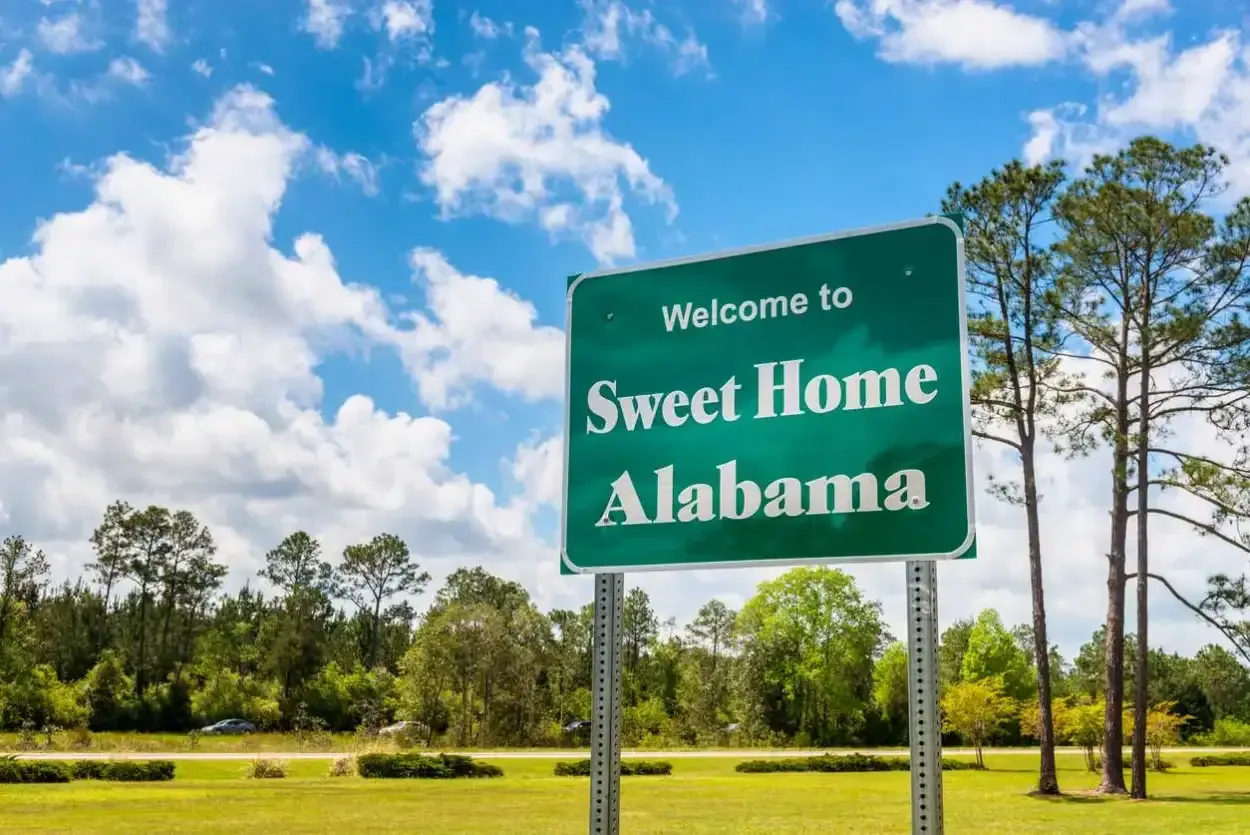
The I-20/59 rest stop between Cottondale and Vance sits beside the Cedar Cove site where Faurecia planned a Mercedes supplier plant. With industrial development on its doorstep, Cottondale can call for two kinds of roof work: the older roof with layers, and the new roof that needs a baseline.
Counting Layers and Reading the Deck
The core cut is the basic instrument. A cut through the roof shows the membrane, any older membranes beneath it, the insulation and the deck, and it tells us whether the insulation is dry and the deck sound. We photograph the core, patch it with a temporary seal and log the location on the plan.
Code caps the number of layers a roof may carry, and each added layer puts more weight on a deck designed for less. If the roof already carries two systems, a recover may not be allowed, and the answer is a tear-off. If it carries one and the insulation is dry, a roof recover may be possible and cheaper.
The deck is the part that cannot be argued with. Rusted metal deck, soft wood or cracked concrete changes the scope. Where a core shows damage, we probe around it to find how far it goes and mark the extent on the plan.
Layers also tell a repair history. A roof with patches around the same curb four times has a curb problem, not a patch problem, and the report names it.
A core also shows whether a vapor retarder or older felt layers are present, which affects how a new membrane is attached. Mechanical attachment, adhesive and ballast each respond differently to old substrates, and the core is how we choose between them.
Moisture scanning follows the cores. Wet insulation is marked on the plan with a date, and where it covers a large share of the roof, the report says replacement is the sensible route even if the surface looks sound.
Older Commercial Buildings
An older commercial building can carry a history of additions, partial reroofs and changes of use. A building’s age is no guide to what its roof is made of. A building that looks old may have a recent roof, and a recent-looking roof may sit over a very old deck.
Parapets and walls deserve a close look. Counterflashing may be loose, mortar joints open and copings cracked, and water entering at a wall can run along the deck and show up far from the source. We probe the wall details, photograph the gaps and mark which need repointing, resealing or rebuilding.
Rooftop equipment on older buildings often arrived piecemeal. Units were added over the years, each with its own curb, and some curbs were set on top of earlier layers. We check each one and flag the ones whose flashing does not tie into the current membrane.
For a church roof, auto dealership roof or other service building, the same walk applies, and the report is short enough to read in a few minutes.
Skylights and roof hatches on older buildings often leak at the curb. We check the curb, the flashing, the glazing seal and the hatch seat, and a skylight and penetration flashing repair is priced by item.
Gutters, downspouts and scuppers carry water off old roofs, and they fail in ordinary ways: sagging hangers, split seams, blocked outlets. They are cheap to repair and costly to ignore.
New Industrial Neighbors
Cedar Cove Technology Park and the Mercedes network sit close to Cottondale, and the planned Faurecia plant near the rest stop is a reminder that large new roofs are part of the area’s future. A roof like that begins with a baseline at turnover: dated photographs of every curb and drain, cores at representative points and a punch list of anything open.
Owners with buildings in Cottondale and in Cedar Cove or Vance can use the same report format, which makes it easy to compare the older roofs with the newer ones.
Staging for a large reroof needs space, and the edges of a suburb often have it. We map lay-down areas, crane pick locations and truck routes at the first walk.
Roads and rail near large industrial sites mean heavy trucks, and material deliveries have to be timed around them. A schedule that accounts for both the old building and the new neighbor keeps a job moving.
Wind, Rain and Heat
The EF4 tornado of April 27, 2011 did its heaviest damage in neighboring Alberta City, and surveyors later mapped gusts of 90 to 100 mph from the May 2025 storm across the county. Both are reasons to check the edge metal and the attachment on every section.
Rainfall near 53.5 inches a year and a record of 107 degrees make ponding and heat routine here. Drains and sumps are cleared and tested, and seams are probed for laps that moved in the heat.
Open details get a temporary seal that day; the permanent repair follows in dry weather. The log shows both.
On older roofs, ponding often marks a sagging deck. We measure the depth, note the time the water stays and decide whether tapered insulation, a new drain or a deck repair is the fix.
Edge metal and coping come last on the walk and first on the repair list when wind is the concern.
What the Owner Keeps
The file contains a roof plan with sections, core locations, photographs, scores and recommendations. A roof condition report built from that file gives a small owner something firm to take to a lender, an insurer or a buyer.
The report ends with open items and the next walk date, giving a modest building a record as clear as a large one.
Photographs are taken from the same positions each visit, so the file shows change without argument.
If a lender or an insurer asks about the roof, the file answers: age of the layers, moisture status, repair history and the plan for the next five years.
Older roofs on the east side of town may carry more than one drainage system, such as interior drains added to an earlier gutter layout. The walk traces every outlet to its discharge point, tests each with water and records which ones still connect to something, since a drain that ends nowhere is as bad as one that is clogged.
Commercial Roofing Questions
Can a second layer go over my old roof?
Only if the first is dry, sound and within code limits. A core cut and a moisture scan decide.
How do I know how many layers my roof has?
A core cut shows each one. We photograph it and patch the hole the same day.
What if the deck is damaged?
The scope changes. We probe to find the extent, mark it on the plan and price the deck repair separately.
Do walls cause leaks that show up far away?
Yes. Water entering at a wall can run along the deck, so we trace it from the entry point.
What do you need to begin?
What helps: your building list, any roof report from the past and the person who has the roof key.