
Roof Condition Reports in Tuscaloosa, AL
On a strip center with a modified bitumen roof, the superintendent can hand the asset manager a verbal summary in the parking lot, and it will be forgotten by Friday. The written report is what survives: a numbered plan of the roof sections, a photograph of every defect with a date, a short statement of what each one means and a cost to repair or to leave alone. Roof condition reports in Tuscaloosa, AL are written to be read by an asset manager who has not climbed the ladder and may never do so, and to be useful to the lender, the insurer or the next owner who inherits the file.
Report Structure From Summary to Appendix
A report opens with a one-page summary: the number of roofs and sections, the grade of each, the items that admit water now and the total of the recommended work. A reader who stops there should know what to do first. After the summary comes a section for each roof, with the system, the deck, the insulation, the age if known, the warranty status and the findings from the walk.
The appendix holds the evidence: the roof plan with numbered locations, the moisture scan, the core logs, the pull-test results and the full photograph set. Nothing in the summary is unsupported, and every number in the summary can be traced to a page in the appendix. We write in plain sentences and avoid trade shorthand where the reader would have to guess, though the lexicon of the trade, such as seam probe, core cut and edge metal, stays because it is precise.
Photographs and Plan Numbers
Each finding has a number on the plan and a matching photograph with a date. The photograph shows the defect and a reference, usually a tape or a hand, so size can be judged. A second photograph shows the context, so a reader can see where on the roof it sits. A close-up shows the cause when there is one, such as a cracked sealant bead or a pulled fastener.
Numbers stay the same from one report to the next, so a reader can follow a single defect across years without hunting for it. A seam that was number 14 last year is still number 14 this year, and the report states whether it has been repaired, has grown or is unchanged. That continuity is what turns a set of reports into a history, and it is why the plan is drawn once, checked on the roof and kept. If a roof is altered, with a new unit, a new curb or a replaced section, the plan is revised and the change is dated, so a number never points at the wrong place. A commercial roof inspection produces the field data that the report presents.
Ranking Findings by Consequence
The report ranks findings by what happens if they are not fixed. The first band is water entering now, or about to, over occupied or sensitive space. The second band is a defect that will let water in within a season, such as an open seam on a section with no current leak. The third is a condition that shortens life without immediate consequence, such as surface wear. The fourth is cosmetic.
Beside each finding sits a cost for the repair and a cost for leaving it alone, which is the figure most reports omit. For a leak over a records room, the cost to leave it alone includes the contents. For a worn surface on a sound section, the cost is the shorter remaining life. With both numbers visible, the asset manager can decide using the same logic the superintendent used on the roof, and the committee does not have to take the ranking on trust.
Limits are stated. A report says which sections were walked, which were only seen from the air or from the roof edge and which could not be reached, and it names any condition that needs a test before a conclusion is drawn. A reader should never have to guess how much of the roof the findings cover, because the answer is on the first page of each roof's section.
Moisture Scans, Cores and Drone Imagery
A report is only as sound as its evidence, and the evidence for the insulation is a scan and a core. The infrared moisture survey draws the outline of the wet insulation, and a core cut through membrane and insulation is how that outline gets checked. The report includes both images and the core log, with layer thicknesses and the condition of the deck.
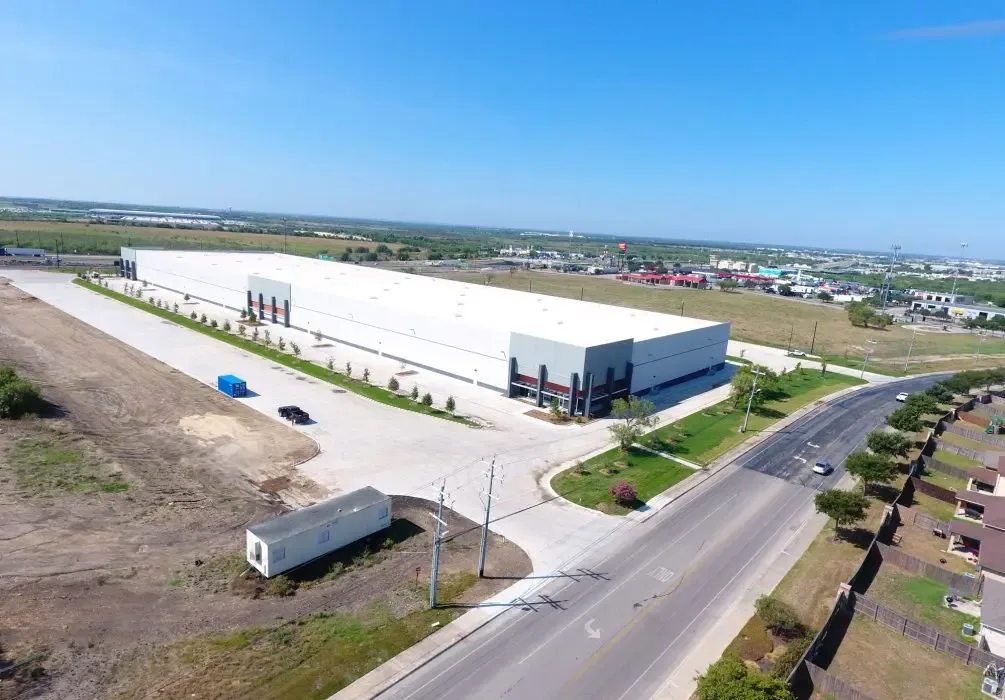
A drone pass adds an overview of a large roof, showing drainage patterns, ponding, equipment layout and the condition of areas that are unsafe to walk. The drone roof inspection images go into the report as a supplement, labeled as aerial, with the hands-on walk providing the detail. On a plant roof in the Tuscaloosa Airport Industrial Park or Cedar Cove Technology Park, where a roof can cover a large area, the drone saves time and shows where to look first.
Wind and Storm Entries
Every report includes a wind section, because wind is the load that decides so many roof decisions here. The 2011 tornado, an EF4, ran across 35th Street and McFarland Boulevard and then through Cedar Crest and Alberta City, and its winds were estimated at 190 mph. North of Northport, a May 2025 survey put straight-line gusts at 90 to 100 mph. The wind section records the perimeter and corner zones, the edge metal, the fastener pattern and any pull-test values.
After a storm, a short supplement is added to the report, with the date, the damage found and the temporary measures taken. If the owner files a claim, the supplement and the base report together show the roof before and after, which supports the claim. A wind damage repair scope can then be written directly from the report.
Who Uses the Report
The primary reader is the asset manager, who uses the report to set the budget and decide the order of work. The lender reads it to judge the property, the insurer to understand the roof's condition at the time of a loss, and a buyer to price an acquisition. A due diligence roof survey is a report written to a deadline.
For a portfolio, the reports share one format and feed a roof asset management record, so comparisons are direct. Owners of buildings along Skyland Boulevard and University Boulevard can read two reports side by side without translating.
Commercial Roofing Questions
What does the summary page show?
The roofs and sections, their grades, the items admitting water now and the total of the recommended work. A reader who stops there knows what to do first.
How are findings ranked?
By consequence: water entering now, water within a season, life-shortening wear and cosmetic items. Each carries a repair cost and a cost to leave it alone.
Are plan numbers stable between reports?
Yes. A finding keeps its number year to year, and the report says whether it was repaired, grew or stayed the same.
Does the report include moisture data?
Yes. The infrared scan, the core cut log and the layer thicknesses are in the appendix, with photographs.
Can the report support an insurance claim?
A base report plus a post-storm supplement shows the roof before and after, with dates and photographs, which gives the adjuster clear evidence.
How long does a report take?
The walk takes a day or two for a typical building. The written report follows on a date agreed at the start, and larger portfolios are staged.