
Commercial Roofing in the Tuscaloosa Riverfront District, Tuscaloosa, AL
On a flat membrane roof close to the Black Warrior River, the superintendent’s first look is at the places where water collects and stays: the drain sumps, the parapet corners and the low edges along walls. The Tuscaloosa riverfront district follows the river, with the Western Riverwalk running from Oliver Lock and Dam to the Mercedes-Benz Amphitheater, and any building near that corridor gets the same questions about drainage and moisture.
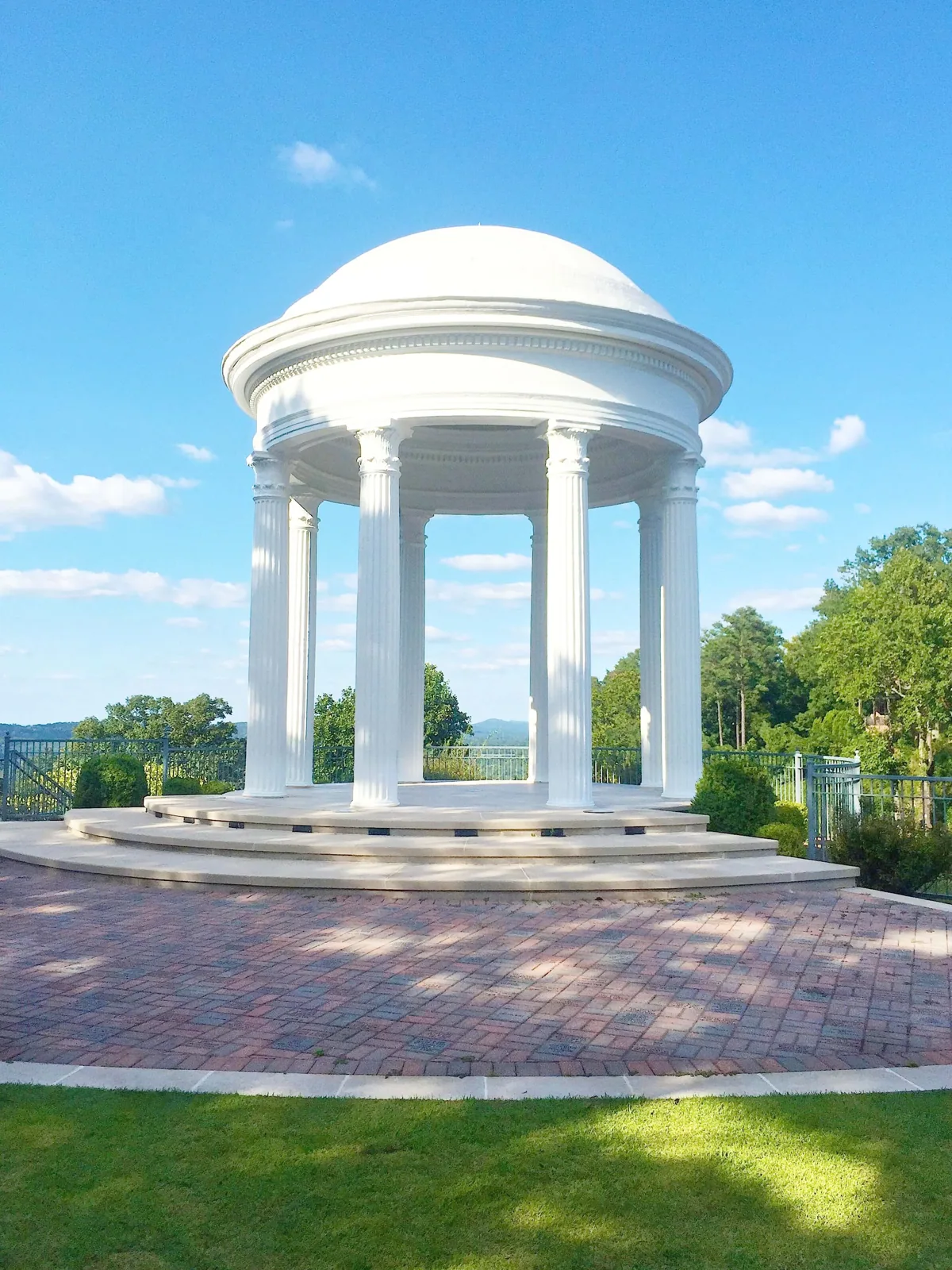
The Black Warrior River runs past Tuscaloosa and carries barged coal to Mobile, and Oliver Lock and Dam and Holt Lock and Dam are part of the federal lock system that made the river navigable for coal. A district shaped by a working river can put different kinds of buildings side by side, and the roofs on them need records that hold up across those different uses.
We approach the district with the same sequence we use anywhere: walk, probe, core, photograph and rank.
Nothing on a first visit is guessed: the roof is walked, the drains are tested and the findings are written down by section.
Humidity and Moisture Behavior
Near a river, the air carries more moisture and roofs stay damp longer after rain. With roughly 53.5 inches of rain over a year, a membrane in shade or near water may dry slowly, which invites algae, mold and slow wear at laps and edges. We look at the surface for staining, soft spots and organic growth.
Inside, humid air meets cold surfaces and condenses. A stain on a ceiling may be condensation from a poorly ventilated roof cavity rather than a leak from above. Moisture mapping and a core cut separate the two, and a repair aimed at the wrong cause wastes money.
Where insulation has taken on water, the sign is often a roof that feels soft or sounds dull underfoot. We mark those areas, scan them and cut a core, and the wet outline goes on the plan with the date.
Seasonal timing helps. A walk in late spring, after the wettest months, shows where moisture lingered, and a walk in late summer shows what heat has done to sealants and laps. Photographs from the same positions let an asset manager see the difference between the two.
Persistent dampness also shortens the life of fasteners and metal edges, so rust at screw heads and coping is photographed and rated as it appears, not only when it has become a hole.
Drains, Scuppers and Parapets
Water leaves a low-slope roof through drains, scuppers and gutters, and on any roof near a river the outlets matter more because rain events can be heavy and sudden. We clear every outlet, record the standing-water depth and time how fast a test pour drains away.
Scuppers through parapet walls are often the first to clog and the first to leak, since their flashing is cut into the wall. We examine the through-wall flashing, the sealant and the mortar or masonry behind it, and mark any gap. A roof drain and scupper repair may be as simple as a new basket or as large as a reworked outlet.
Parapet caps and coping catch rain as well. Loose caps let water behind the wall flashing, and the damage shows up inside weeks later. We probe the joints, check fasteners and note any cap that moves.
Gutters and downspouts on smaller buildings need the same checks. A split seam in a gutter or a downspout that discharges against a wall sends water where it does not belong, and the fix is usually inexpensive if done before the wall is damaged.
A test pour tells more than a visual check: a bucket of water at each outlet, timed, shows whether the line below is open.
Mixed Uses and Roof Types
A river district can blend uses, and each use brings its own rooftop load. A restaurant roof carries kitchen exhaust and grease, a hotel roof carries heavy mechanical equipment and an office roof carries air handlers.
What goes on below a roof says little about what lies on it. Only the walk settles the system, its age and its condition, and a core cut and photographs go into the report.
Because buildings in a district like this are often within sight of each other, noise, dust and odor from roof work reach neighbors quickly. We plan hours, staging and the direction of material handling with the owner and, when asked, with the neighbors.
Mechanical equipment on any of those buildings sits on curbs, and curbs are where flashings fail first. Each unit is numbered on the plan and scored for flashing, sealant and fasteners, with extra attention to units that were added after the roof was built.
For properties near the East Tuscaloosa and Loop Road area, the same methods apply, which makes it simple to compare roofs on both sides of town.
Wind and Storm Exposure
A 2011 tornado crossed 15th Street and McFarland Boulevard, and a severe straight-line wind event in May 2025 reached 90 to 100 mph in the county, which is reason to check edge metal, coping and rooftop equipment hold-downs before and after storms.
Exposure to wind depends on the surroundings of each building, so we read it on site. We check perimeter fasteners with pull tests where the assembly allows, and a wind damage repair starts at the corners.
A temporary seal goes over any open detail the same day, with a photograph, so water cannot enter while the permanent fix is scheduled.
Rooftop screens, signage supports and lighting need attention after wind as well. A loose attachment is a puncture waiting to happen, and each one is checked and logged.
Photographs taken from the roof edge, looking along the parapet, show lifted caps better than ground views.
Records Across the District
For an owner with buildings across the riverfront and the neighboring downtown Tuscaloosa area, a common report format keeps ratings comparable. Each roof section gets a photograph, a location and a recommendation: leave alone with a date, repair this year or plan for replacement.
The file also carries any warranty letter and past repair record. A roof condition report built from those pieces goes with the building through lease renewals, insurance reviews and sales, and a buyer can read it without a briefing.
Preventive visits are scheduled around the wet and dry seasons, so drains are clean before heavy rain and sealants are inspected before the hottest weeks.
Open items and the next visit date close the report, so nothing depends on memory.
Commercial Roofing Questions
Can condensation be mistaken for a leak?
Yes. Moisture mapping and a core cut tell them apart, which avoids repairs aimed at the wrong cause.
Why do scuppers leak so often?
Their flashing is cut into the wall, and sealant and masonry around it age. We probe each one and mark the gaps. The report names the roof section and the gutter run, so the repair can be priced by location.
Do riverfront roofs need special materials?
Not by location alone. The use of the building and the condition of the roof decide the system.
How are neighbors protected during roof work?
With planned hours, staging away from shared lines and attention to noise, dust and odor.
What do you need to begin?
Your list of buildings, any recent roof report and the person who controls access.