
Commercial Roofing in Reform, AL
Out on US 82, the roofs that matter belong to the people who keep a town running: a parts counter, a feed store, a clinic, a small office with a flat membrane that nobody has climbed up to look at in years. Reform, AL is a Pickens County town of 1,520, about 31 miles northwest of Tuscaloosa, and Pickens County sits inside the Tuscaloosa metro. That puts a Reform roof within reach of one crew and one truck for the day, and it means the first walk can cover a whole building list rather than a single leak.
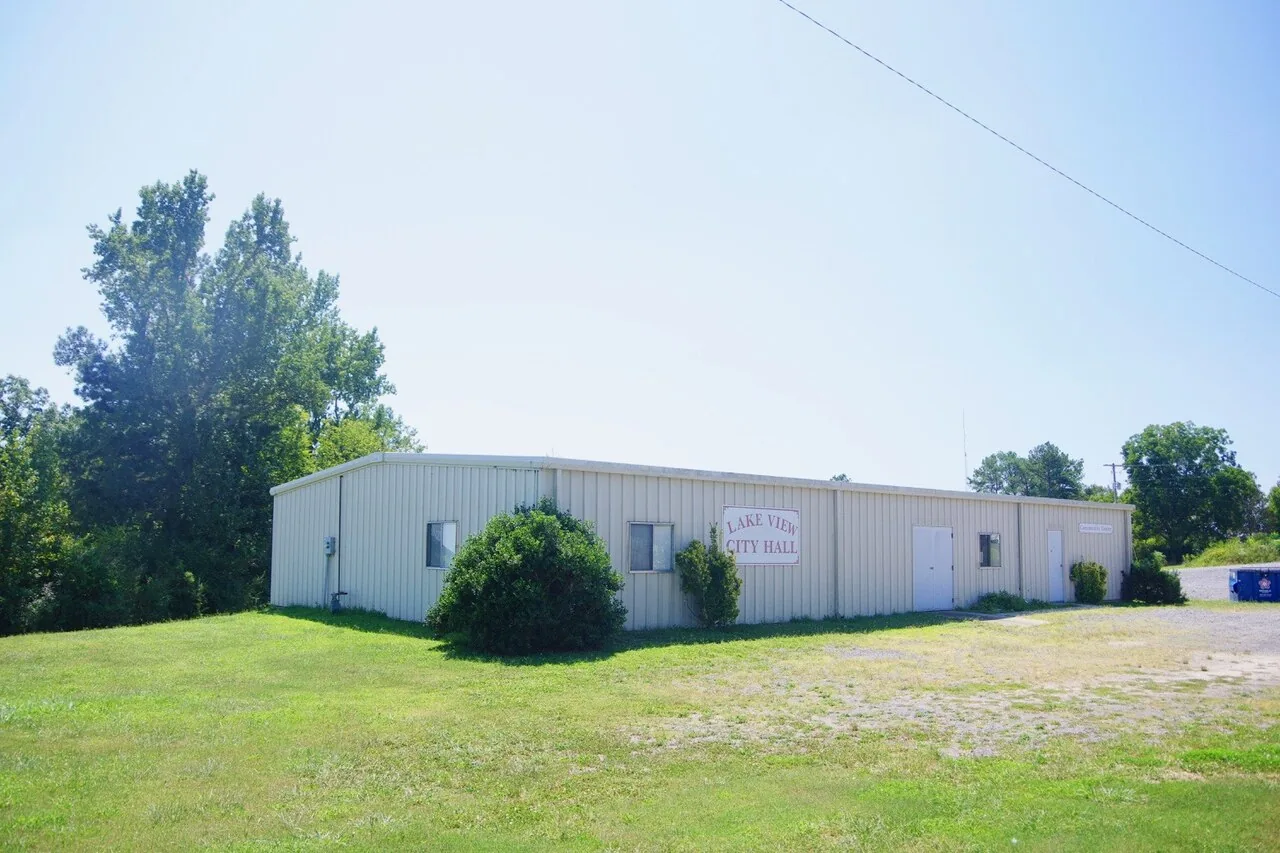
The roofs we plan for in Reform are the low-slope roofs on shops, offices, storefronts and service buildings along the highway. The first visit reads each roof section for deck condition, drainage and flashing, and ends with a ranked list of what to repair, what to coat and what to replace.
Highway Frontage and Delivery Routes
US 82 is the road that ties Reform to the rest of the region, and Alabama Route 17 meets it in town. For a roof crew that matters before any membrane is cut, because a tear-off needs a place to set the dumpster, a lift position that does not block the entrance and a delivery window that keeps trucks off the highway shoulder.
We settle those three points with the owner on the first walk and write them into the scope. A store that stays open needs a fenced work area and a clear door. A building with a shared lot needs the neighboring tenant told which days the crane or lift will sit there. The roof work itself is only part of the schedule; access decides the rest.
Material arrives in one drop when the building allows it, and the crew works section by section so the roof is watertight by each evening. Temporary protection over an open section is photographed, so the record shows what was covered and when.
Coping, Terminations and Perimeter Metal
On a low-slope building with a parapet, the perimeter takes the most abuse. Cap flashing works loose, the mortar joints under it open, and water finds the gap between the wall and the membrane. We tug on the coping, tap the joints and mark any piece that moves, then photograph the termination bar and its sealant line.
Where the edge is metal, we check the fastener spacing and run a fastener pull test on a sample of the trim. A section that fails is refastened before anything else is priced, since a membrane is only as secure as the edge that pins it down. A coping and edge metal repair is often the least costly work on a roof and the work that prevents the most damage.
Membrane Seams and Penetrations
A low-slope roof on a small commercial building carries a handful of penetrations: a vent stack, a gas line, a rooftop unit curb and perhaps an exhaust fan. Each one is a place where flashing can pull away, so each one gets pressed, photographed and logged on the roof sketch.
Seams are probed along their full length. On a single-ply membrane we look for open laps and cracked welds, and on a built-up or modified roof we look for blisters, ridging and exposed felts. Where the surface is sound but the seams have opened, a commercial roof repair restores the watertight line without disturbing the rest of the roof.
Rooftop unit curbs deserve a second look. The curb flashing and the unit's own condensate line both put water near the membrane, and a loose service panel can funnel rain into the curb. We check the curb height, the counterflashing and the drain line, and we list any fix beside the section it belongs to.
Ponding, Drains and Tuscaloosa Rainfall
Roughly 53.5 inches of precipitation fall on Tuscaloosa each year, and a roof in Reform, sitting under the same humid subtropical pattern, has to move that water to a drain or scupper. After a rain we look for the dirt ring that marks where water stood, and we check the drain sump for debris, because a clogged outlet turns an ordinary storm into a loading problem.
Standing water does not always mean a failed roof. It does tell us the deck has deflected or the slope was never enough, and the repair depends on which. Tapered insulation corrects slope when the roof is replaced, and an added drain or scupper corrects it when a section is repaired.
Heat adds its own load. Tuscaloosa has recorded a high of 107 F, and a dark membrane runs hotter than the air, which makes seams move and sealants dry out. A TPO roofing system with a reflective surface runs cooler, and the report compares it with a repair when the existing membrane is near the end of its life.
Storm Wind and Roof Attachment
The April 27, 2011 EF4 tornado, with estimated winds of 190 mph and a width of 1.5 miles, crossed Tuscaloosa, and the National Weather Service puts its 80.68-mile path from northern Greene County into western Jefferson County. In May 2025 a weather service survey measured straight-line winds between 90 and 100 mph across Tuscaloosa County, north of Northport. Those events belong to Tuscaloosa and its county, and we cite them as the regional wind record that sets the standard for how a roof here is fastened.
For a Reform building that standard shows up in the scope as a wind-uplift rating, an edge detail and a fastener schedule. After a storm, a wind damage inspection looks for lifted sheets, torn flashing and missing screws, and records each with a photograph and a location.
Repair, Coat or Replace
The first walk sorts each section into one of three bins. Repair suits a defined defect, such as a split seam or a failed flashing. A coating suits a sound roof with a worn surface and dry insulation. Replacement suits wet insulation across a section or a deck that has gone soft, and a core cut settles which bin a section belongs in.
The state's building code is the 2021 International Building Code, which took effect July 1, 2022, and portions of the 2024 edition were added on March 17, 2025. The commercial energy standard listed by the state is ASHRAE/IES 90.1-2013, so a replacement scope states insulation thickness, attachment and wind rating to match. A commercial roof replacement also names the cover board and the warranty walk at close.
Owners comparing options in Gordo, Eutaw and Northport reach the same fork. Cost moves with section area, deck condition, access and the number of penetrations, and the report lists those drivers beside each price.
Commercial Roofing Questions
What does the first roof walk in Reform cover?
We walk each roof section, probe seams, test the perimeter metal and photograph every penetration. Then we cut a core where the insulation feels wrong. You receive a ranked list of sections with the repair, coating or replacement path and a cost range for each.
Can a store stay open during a roof job?
Yes, when the work is staged by section. We fence the work area, keep the entrance clear and close each section watertight by each evening. Noisy work can be scheduled for the hours you choose.
How do you handle the 31-mile trip from Tuscaloosa?
We load the truck for the full day, confirm the lift and dumpster position in advance and carry spare fasteners, sealant and flashing, so a missing part does not send the crew back and forth.
When is a coating a better choice than replacement?
A coating fits a sound roof with dry insulation and a worn surface. A core cut shows the layers and whether any are wet. Wet insulation moves that section to repair or tear-off before any coating goes on.
What should I send before a visit?
Send the building list, any earlier roof report and notes on where it leaks. A superintendent walks the most exposed sections first and returns a ranked summary of what each costs to leave alone.