
Commercial Roofing in Abernant, AL
On a small shop roof along State Route 216, the superintendent starts with the sheet material and the screws, then asks one question: what would the file look like if a storm came through tomorrow? Abernant, AL stands along State Route 216, 3.6 miles to the west of Lake View. In 2011 the tornado track ran roughly 4 miles north of town, a reminder that this part of west Alabama has seen severe wind in living memory, and that an owner should have a roof record on paper before a claim is needed.
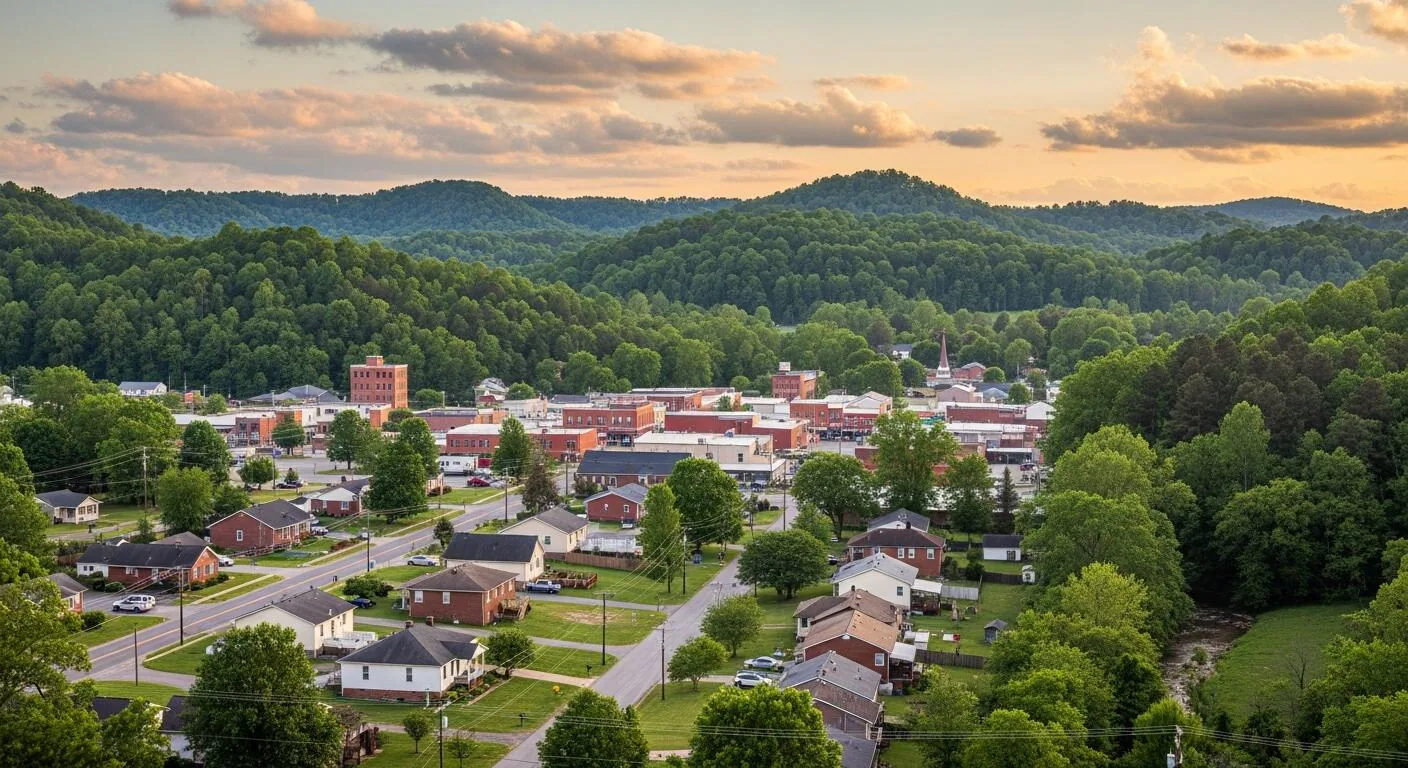
Roof work here is small-scale: shops, offices, storage buildings and service garages. We walk each one the same way, and the asset manager gets a ranked list of sections with what each one costs to leave alone.
Shop and Storage Roofs
A shop or storage building usually has one roof plane or two, a ridge, a few vents and a gutter or none at all. With so few details, the cause of a leak is easier to isolate. We start at the ridge and work down the slope, checking each fastener line, each lap and each penetration.
Insulation under the panels, where it exists, gets a moisture check at the same time. Condensation under uninsulated metal can pass for a leak, and the two have different fixes. A true leak follows rain; condensation follows temperature swings. We compare stains with the weather on the day they showed and probe the underside of the panels.
Metal panels fail at their screws, and a hardened washer lets water follow the screw into the deck. Pulling a few fasteners shows how much grip is left. Rust starts at cut edges and dents. We brush and treat early spots and swap out a panel once rust breaks through. A metal roof retrofit is an option when the panels are worn but the framing is still solid.
The Roof Record Before a Claim
When storm damage arrives, the insurer asks what the roof looked like before. A dated set of photographs, the roof type, the age, the repair history and the attachment rating give the answer. Owners without that record argue from memory, and memory loses to a file. A file that shows a sound roof in spring and a torn roof in summer makes the cause plain.
We build the record on the first walk and update it on each visit. If a claim follows, our roof insurance claim assistance work assembles the before photographs, the damage photographs and the repair scope in one package, and it separates storm damage from wear that was already there.
The scope is written in plain language with a line for each roof section: the condition, the cause, the repair and the cost driver. An adjuster can follow it, and so can the owner. If the insurer's estimate differs from ours, the photographs and the core cut results show where.
Storm History and What It Shows
The 2011 EF4 tornado, estimated at 190 mph, left a damage path of about 80.68 miles through the region, and in May 2025 a survey north of Northport found winds of 90 to 100 mph blowing in a straight line, with damage spread nearly four miles wide west of US 43.
Wind of that range is what a roof in this region can meet, so we start every file with the wind-uplift rating and the edge metal. We confirm the attachment pattern with a pull test and record the reading beside the photograph of the slope. After a storm, a wind damage inspection adds a search for lifted panels, missing screws and torn trim.
Edge Metal, Ridge Caps and Trim
Wind attacks the edges first. A ridge cap that has lifted lets rain in at the highest point, and loose eave trim lets water run behind the gutter. We tug on every length, check the fasteners under it and renew sealant where it has hardened.
Gutters need the same attention. A gutter pulled loose by wind drags the fascia with it, and a downspout that ends at the wall wets the foundation. We check hanger spacing, joints and slope toward the downspout, and run water to confirm the flow.
A loose length is marked for refastening before the next front. Wind-driven rain in this region can travel under a panel lap that looks tight, so we probe the laps along the windward side first. Our edge metal and gutter repair covers each of these in one visit.
Working on a Rural State Route
A truck that stops on the shoulder of State Route 216 is a hazard to everyone passing. We plan the delivery, the lift position and the staging area with the owner before the crew arrives. The crew carries enough material to finish the repair on the first trip. Debris is bagged and removed each day, and loose material is never left on a roof overnight in wind. If a storm is forecast, open areas are closed first and the work resumes when the roof is dry.
Lake View lies 3.6 miles east, and there is no substitute for a plan. Tarps and temporary patches ride on the truck every day, since a storm may keep a crew from making a second trip.
Repair, Coat or Replace
A core cut or a moisture scan makes the call. Sound panels over dry insulation favor repair or coating, and wet insulation or rust across the roof favors replacement. Alabama has applied the 2021 International Building Code statewide since July 1, 2022, and a replacement scope spells out insulation, attachment and wind rating under it.
Owners in Lake View and Coaling face the same decision. What a job costs turns on section size, deck condition, access and the count of penetrations. The report lists each driver and the timing each option needs, so the owner can fit the work to the budget year.
Photographs of the slope from the ground, taken from the same spot each season, show sagging ridges and shifting panels before they become leaks, and an owner can take them without climbing.
Commercial Roofing Questions
What belongs in a roof record?
Roof type, approximate age, last repair, known leaks, attachment rating and dated photographs of each slope. One page with the photographs attached is enough to start, and every later visit adds to it.
Does a nearby tornado track mean my roof was damaged?
No. A track that passed miles away tells us what wind this region can see, not what happened to a given roof. We inspect the roof itself, count the evidence and report what we find.
How do I separate storm damage from old wear?
Look at the pattern. Fresh creases, torn sheets and missing fasteners on one side point to a storm, while rust, chalking and worn sealant point to age. The before photographs settle the question.
Can a small building be repaired in one trip?
Usually. We confirm the roof type, bring the parts and finish on the first visit. A larger scope is split into a survey and a scheduled repair.
Is a tarp enough after storm damage?
A tarp holds water out for days or weeks. It is the first step and not the repair. We photograph the opening before and after the tarp goes on, and the lasting repair follows once the deck is dry.
What should I send first?
Your building list, your most recent roof report and anything you remember about leaks are enough. A superintendent walks the riskiest sections first and returns them ranked.